Buyers looking at the Portland area in 2026 face a distinct choice between urban density and suburban space. The geographic relationship between Portland and Lake Oswego highlights this contrast perfectly. Portland sits at the center of the region, while Lake Oswego borders it directly to the south along the Willamette River.
Choosing where to relocate is rarely just about the house itself. The decision ultimately hinges on property taxes, daily commute times, and overall budget constraints. Understanding how these factors play out in the current market will dictate which municipality aligns with your specific financial goals.
Working with a knowledgeable real estate agent can help clarify these regional differences. Buyers relocating to OR from out of state often need time to understand these regional nuances. You must weigh the vibrant energy of an urban environment against the spacious layout of a residential suburb.
Real Estate Market Trends and Housing Costs
The 2026 housing market reveals a stark contrast in entry-level pricing between the two cities. Portland median home prices currently hover around $500,000 to $525,000. This price point secures access to classic historic Craftsman bungalows, Victorian homes, or modern urban condominiums.
Neighborhoods in Portland proper offer a diverse mix of architectural styles for the prospective buyer. Higher-density areas like the Pearl District feature luxury lofts that appeal to buyers seeking immediate access to downtown Portland. These urban properties often trade square footage for premium walkability and transit access.
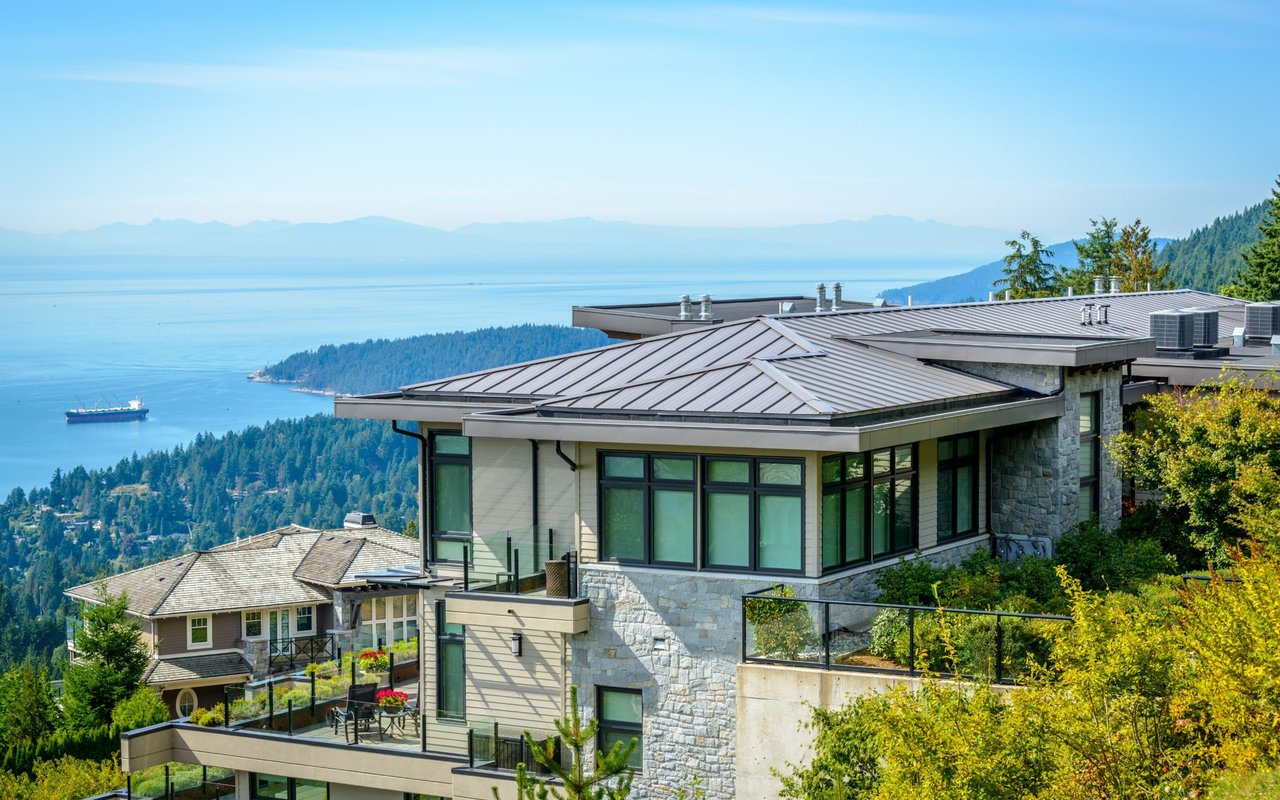
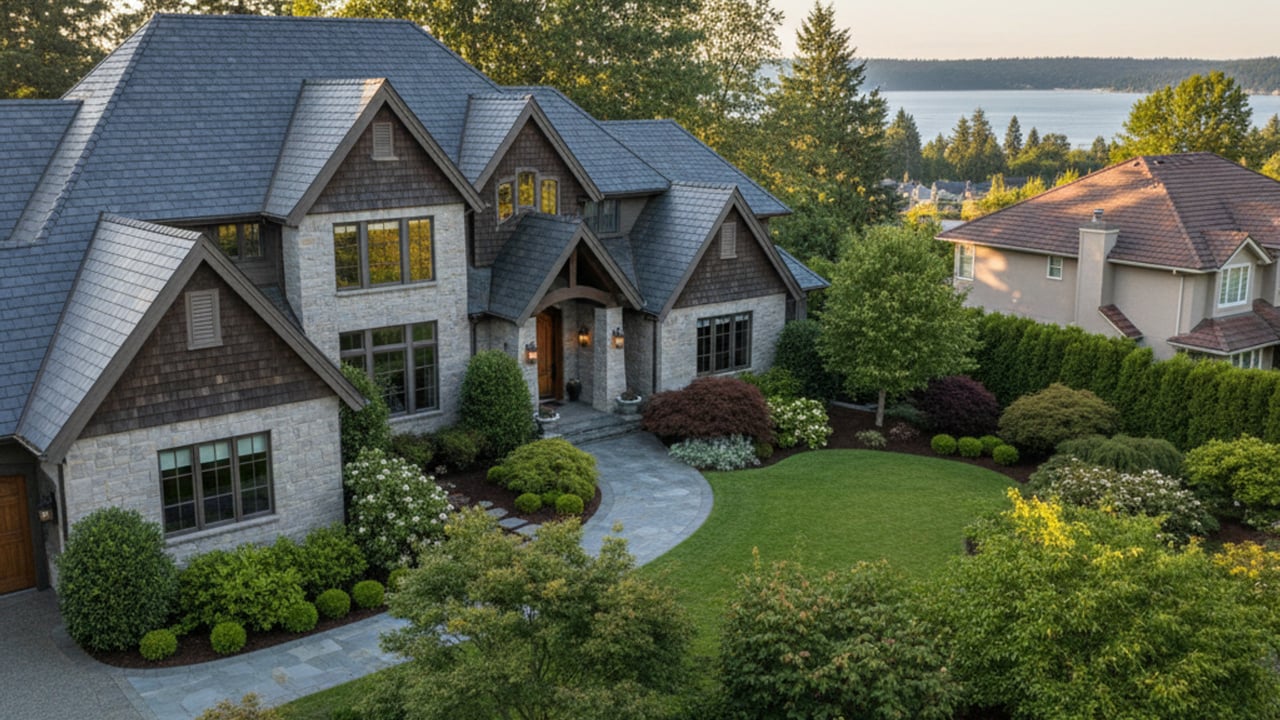
Conversely, Lake Oswego commands a significant market premium, with median home prices ranging from approximately $900,000 to $995,000. The real estate landscape here shifts heavily toward larger lots, expansive modern estates, and neighborhoods governed by strict HOA guidelines. Buyers moving from the city will notice an immediate difference in the sheer footprint of the properties.
Many buyers initially rent in the Portland area while searching for their permanent home. The urban core provides an abundance of luxury apartments and townhomes for temporary relocation. In contrast, finding a short-term residential lease in Lake Oswego can be highly competitive due to limited inventory.
The clear takeaway for any buyer is that your dollar stretches much further in Portland. However, those prioritizing expansive residential square footage and meticulously maintained suburban streetscapes often find the Lake Oswego premium justified.
Property Taxes: Multnomah vs Clackamas County
Property taxes are a major financial differentiator when comparing housing in the Portland area. Portland sits primarily in Multnomah County, which levies an effective property tax rate near 1.17%. Residents here also face additional local levies that directly impact the cost of living.
These localized taxes include the Portland Arts Tax and the Preschool for All income surtax. Buyers must factor these additional municipal assessments into their monthly payment calculations. A local realtor can help estimate the exact tax burden for specific properties within the city limits.
Lake Oswego is located in Clackamas County, offering a slightly lower effective tax rate of approximately 0.98%. While the percentage is lower, the reality of the tax bill often looks different on paper. Because Lake Oswego features significantly higher assessed property values, the actual annual tax burden is often much larger.
A lower tax rate in Clackamas County does not automatically equal a lower tax bill when purchasing a $950,000 suburban estate. Buyers must look at the total assessed value rather than just the county percentage. Understanding this distinction is critical for setting an accurate monthly housing budget.
Commute Times and Transportation Options
Navigating the region requires understanding the distinct transportation infrastructure of each city. The driving commute from Lake Oswego to downtown Portland relies heavily on Highway 43, also known locally as Macadam Avenue. Under typical conditions, this drive takes roughly 20 to 30 minutes.
Access to Interstate 5 and I-205 provides alternative routes, though rush hour traffic heavily impacts daily drive times. Suburban commuting from Lake Oswego is inherently vehicle-dependent compared to the urban core. Commuters frequently experience delays during peak morning and evening travel windows.
Remote and hybrid work schedules have slightly altered commute patterns across the region. Buyers who only need to visit downtown Portland twice a week often find the suburban commute much more manageable. However, daily commuters must carefully weigh the impact of I-5 traffic on their overall schedule.
Portland proper boasts extensive bike infrastructure and highly walkable neighborhoods that can eliminate the need for a daily highway commute. Residents living near the urban core often rely entirely on public transportation or cycling. Access to Highway 26 also provides Portland residents with direct routes to major employment hubs in the western suburbs.
Public transportation offers another viable option for regional connectivity between the two cities. TriMet Line 35 connects the Lake Oswego Transit Center directly to the downtown Portland core. This transit route generally requires 30 to 45 minutes of travel time, providing a reliable alternative to navigating highway congestion.
Comparing Local Amenities and Districts
The lifestyle offerings in these two municipalities cater to entirely different preferences. Portland delivers dense urban amenities, featuring a renowned restaurant scene, independent art galleries, and exceptional walkability. Neighborhoods like the Pearl District allow residents to access groceries, dining, and entertainment without ever starting a car.
Lake Oswego provides a highly planned suburban setting centered around its downtown retail district. The commercial center offers upscale boutique shops and a local cafe culture in a manicured environment. The pace of life here is distinctly different from the bustling energy of PDX.
The culinary landscape also serves as a major deciding factor for relocating buyers. Portland proper hosts a globally recognized food scene featuring food cart pods, craft breweries, and fine dining establishments. While Lake Oswego offers excellent local restaurants, the sheer volume and diversity of dining options remain concentrated in the city.
Access to the outdoors is also distinctly different between the two locations. Portland features expansive public parks scattered throughout the city grid, offering immediate green space to urban residents. Lake Oswego residents frequently utilize the Tryon Creek State Natural Area for hiking and outdoor recreation.
It is important to note that recreational access to Oswego Lake itself is heavily restricted. Water access is primarily limited to specific residential property owners and those with deeded easement rights. Buyers should never assume that purchasing a home in Lake Oswego guarantees access to the lake.
School District Quality and Academic Programs
The educational frameworks in Portland and Lake Oswego operate on vastly different scales. Portland Public Schools serves a massive student population across a wide geographic area. The district features prominent facilities like Lincoln High School and Grant High School.
The Portland school district also offers highly specialized academic options for students. This includes robust International Baccalaureate programs and various language immersion tracks. The sheer size of the district means program availability can vary significantly depending on the specific neighborhood zone.
The Lake Oswego School District utilizes a much more centralized layout aligned with Clackamas County boundaries. The district operates specific, well-known facilities including Lake Oswego High School and Lakeridge High School. Both of these campuses are recognized for their extensive Advanced Placement program offerings.
Beyond core academics, both municipalities invest heavily in athletic and extracurricular facilities. High school sports draw significant community engagement across both districts. Buyers should review the specific extracurricular offerings at local schools if those programs are a priority for their household.
Buyers prioritizing specific academic programs should verify school boundaries before making an offer. A property located just outside the municipal line may fall into an entirely different educational zone.
Frequently Asked Questions
Is Lake Oswego considered part of Portland?
Lake Oswego is a separate municipality with its own city government, police force, and school district. While it operates independently, it is officially part of the broader Portland metropolitan statistical area.
Which city has a lower cost of living?
Portland generally offers a lower cost of living due to a wider variety of entry-level housing options and rental apartments. Lake Oswego commands a premium cost of living driven primarily by its median home prices approaching $1,000,000.