Choosing where to buy a home in the Pacific Northwest often comes down to balancing urban convenience with suburban space. For many buyers looking near the Willamette River, the decision frequently narrows down to Portland vs Tigard. Both cities offer distinct advantages, but they cater to very different daily routines and financial expectations.
As we navigate the 2026 housing landscape, understanding the stark contrasts between these two municipalities is crucial. Buyers must weigh property taxes, commute times, and local amenities to make an informed long-term commitment.
Living in Portland places residents at the epicenter of Oregon's cultural and economic activity. Opting for a suburban environment like Tigard trades that immediate walkability for larger lots and regional retail access. Evaluating these core differences ensures buyers find a property that actually supports their daily life.
Housing Market Trends and Cost of Living
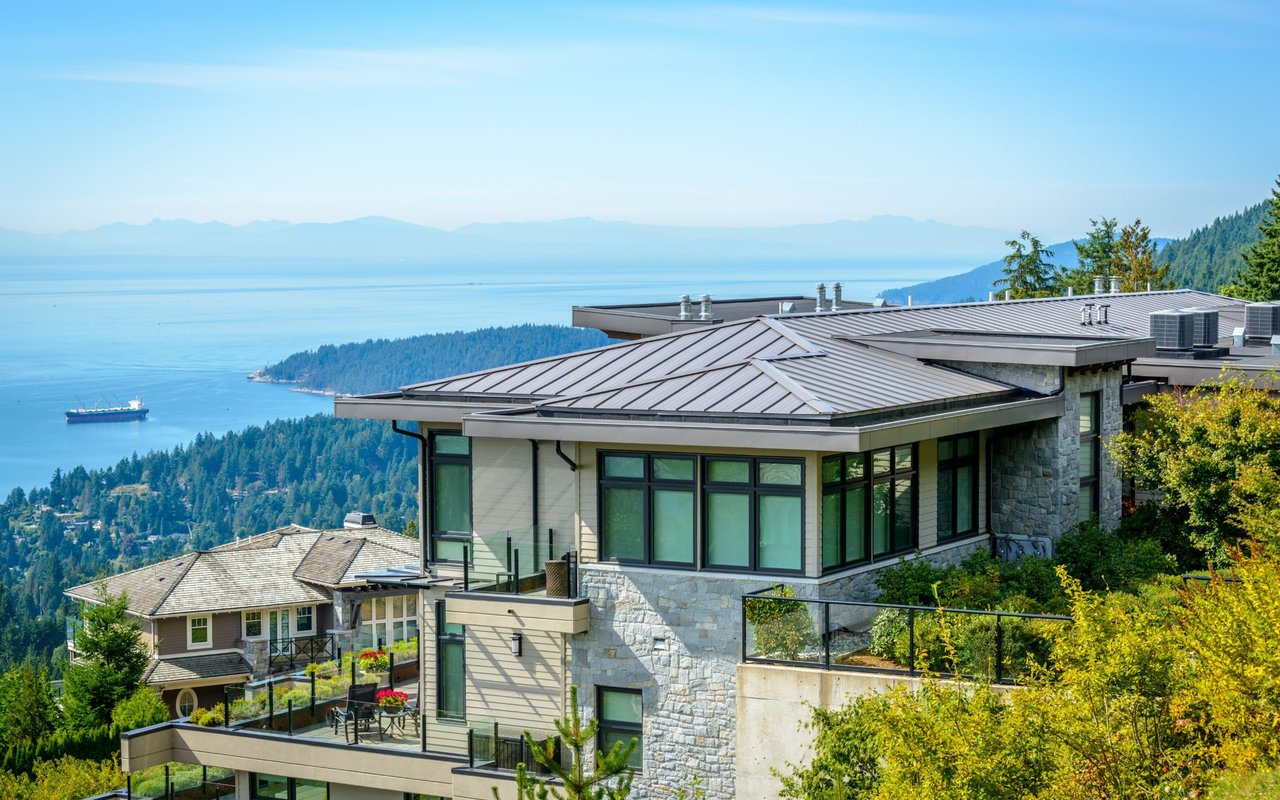
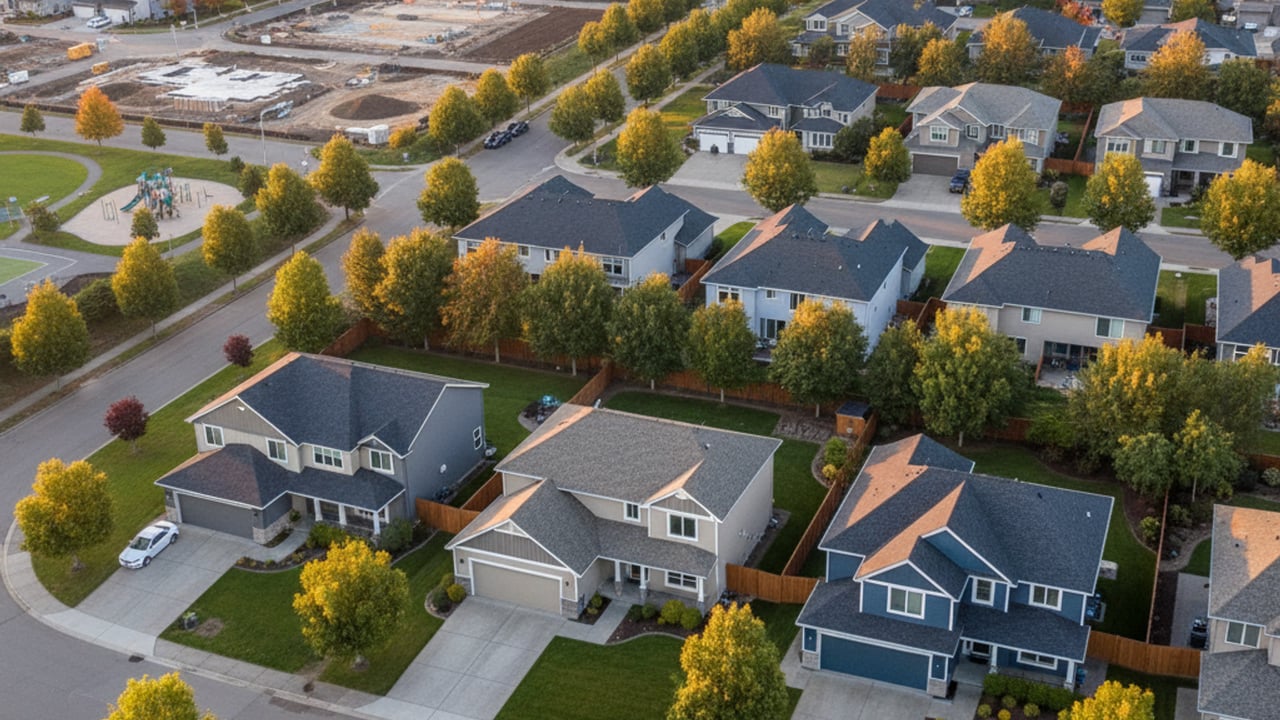
The housing inventory in these two cities presents a clear contrast in architectural styles and property types. Portland offers a diverse mix of high-density urban condos, historic Craftsman homes, and established neighborhood bungalows. Tigard primarily features suburban single-family homes, modern townhouses, and planned residential developments.
When looking at current home values in early 2026, many buyers are surprised to learn that Tigard actually carries a higher median price tag. The median sale price in Tigard hovers between $590,000 and $617,000, depending on the specific zip code. Portland proper shows slightly lower median home values ranging from approximately $524,000 to $540,000.
This price difference largely comes down to the types of properties driving the market in each area. Tigard’s inventory is heavily weighted toward larger, detached homes with attached garages and ample yard space.
Bidding wars and market velocity look different depending on which side of the city limit you search. Turnkey properties in highly walkable Portland neighborhoods frequently attract multiple offers within days of listing. Tigard sees similar demand for fully updated detached homes, though the overall pace of the suburban market can sometimes feel slightly less frantic.
The rental market and monthly carrying costs also diverge significantly between the two locations. A renter in Tigard generally secures more square footage and dedicated parking for their monthly budget compared to someone leasing near downtown Portland. Buyers must also factor in HOA fees, which tend to be higher in Portland's high-rise buildings than in Tigard's sprawling residential subdivisions.
Property Taxes: Multnomah vs. Washington County
Navigating the nuances of property tax is one of the most critical financial steps for Oregon homebuyers. Portland properties almost entirely fall within Multnomah County, while Tigard sits comfortably within Washington County.
The effective property tax rate in Multnomah County currently ranges from approximately 0.98% to 1.08%. Across the county line, Tigard residents benefit from a noticeably lower effective rate of roughly 0.84%. This percentage difference might seem small on a spreadsheet, but it translates to serious annual savings for the average homeowner.
For a home priced at $600,000, that slight percentage drop can save a buyer over $1,000 a year in property taxes. Multnomah County also frequently passes voter-approved levies to fund regional initiatives, which can cause local tax bills to fluctuate. Washington County tends to see fewer of these aggressive local levies, resulting in more predictable monthly mortgage payments.
Oregon property taxes are calculated based on assessed value rather than strict open-market value. This unique system means that identical homes on opposite sides of the county line can carry drastically different tax burdens. Buyers should always verify the exact current tax bill of a specific property rather than relying on broad neighborhood estimates.
Buyers comparing equivalently priced homes across the border must calculate these exact county rates into their pre-approval limits. A lower tax burden in Washington County often allows buyers to stretch their purchase price slightly higher without increasing their monthly output. This financial leverage is a major reason many relocators ultimately choose the suburban route over city living.
Commuting and Transit Options
Daily travel logistics play a massive role in deciding between an urban or suburban home base. Portland boasts an extensive, highly integrated public transit network that makes car-free living entirely possible. The MAX line, city streetcars, and a dense TriMet bus system connect nearly every corner of the city.
Tigard offers a more car-dependent environment, though it still provides solid public transit infrastructure for the dedicated commuter. The Tigard Transit Center serves as a major local hub, connecting residents to various bus routes across the western suburbs.
Driving between the two cities requires strategic planning, especially for those working standard office hours. The 10-mile commute from Tigard to downtown Portland takes a breezy 20 minutes during off-peak hours. However, that exact same drive easily stretches to 35 to 60 minutes during severe morning or evening rush hour.
Crossing the Willamette River is a daily reality for many professionals working in the region. Portland residents must navigate numerous bridge crossings, which frequently experience delays during bridge lifts or traffic accidents. Tigard commuters heading into the city center bypass the river bridges entirely, though they trade that obstacle for the dense traffic of the Terwilliger curves on Interstate 5.
Anyone relying on a personal vehicle must account for the reality of regional traffic patterns. Drivers typically navigate Interstate 5 or Oregon Route 99W, both of which experience heavy daily congestion. The local freeway system, particularly Highway 217, is notorious for bottlenecks, making proximity to the WES Commuter Rail a major selling point for Tigard real estate.
Local Schools and Education Options
Evaluating educational options is a standard part of the relocation process for many buyers. Portland Public Schools operates as the largest district in the state, offering massive scale and variety. The district is well-known for its extensive magnet programs, language immersion schools, and specialized curriculum paths.
The Tigard-Tualatin School District provides a more centralized, consistent educational network for its residents. This district serves Tigard, Tualatin, Durham, and King City with a smaller overall footprint.
Municipal boundaries do not always align perfectly with school district zoning in the Portland metro area. Buyers should always verify specific property assignments through the MLS or official district maps before making an offer. Finding a home with a Tigard mailing address does not automatically guarantee placement in a specific local school.
Both cities offer excellent proximity to higher education and continuing learning centers. Portland Community College operates accessible campuses and training facilities throughout both Multnomah and Washington counties.
Amenities, Parks, and Recreation
The lifestyle amenities available in these two municipalities cater to completely different weekend routines. Portland delivers a dense, highly walkable urban experience filled with independent dining, coffeehouses, and vibrant nightlife. Residents also enjoy unparalleled access to Forest Park, which offers over 5,000 acres of wooded trails right in the city limits.
Tigard focuses heavily on accessible, community-oriented recreation and major retail centers. Cook Park serves as a crown jewel for the area, featuring 79 acres of sports fields and direct access to the Tualatin River.
Retail experiences highlight another stark contrast between the urban core and the suburban ring. Portland shopping revolves around distinct walkable neighborhood districts lined with boutique storefronts. Tigard relies on major commercial hubs, hosting expansive destinations with big-box stores like Washington Square Mall and the nearby Bridgeport Village.
The culinary landscape mirrors the density of each respective city. Portland is internationally recognized for its sprawling food cart pods, hyper-local bakeries, and chef-driven restaurant concepts. Tigard offers a growing selection of reliable local eateries and familiar national chains, heavily clustered around its major arterial roads.
Regional positioning gives each city a unique advantage for day trips and weekend getaways. Tigard places residents right on the edge of the Willamette Valley, offering much quicker access to Oregon's premier wine country. Portland serves as a direct launchpad for exploring the waterfalls and hiking trails of the Columbia River Gorge.
Frequently Asked Questions
Is Tigard considered Portland?
Tigard is an independent municipality and is not considered part of the city of Portland. It operates within Washington County and maintains its own city government, police force, and civic infrastructure. While it sits just 10 miles away as a suburb, it functions entirely separately from Portland.
Do I pay Portland taxes if I live in Tigard?
Residents of Tigard do not pay Portland's municipal city taxes or Multnomah County property levies. Living in Washington County provides the benefit of a generally lower effective property tax rate of roughly 0.84%. Tigard residents who commute to work inside Portland city limits may still be subject to certain regional or employer-based transit taxes.
How long is the commute from Tigard to Portland?
The typical 10-mile drive from Tigard to downtown Portland takes about 20 minutes during off-peak hours. During morning and evening rush hour, severe congestion on Interstate 5 and Highway 217 can extend this trip to 60 minutes. Commuters looking to avoid traffic can utilize the WES Commuter Rail and TriMet bus network as reliable alternatives.