Portland vs. Hillsboro: Choosing Between the Rose City and the Silicon Forest
If you are thinking about moving to Oregon, you have likely narrowed your search to the two heavy hitters of the metro area: Portland proper and its economic powerhouse neighbor to the west, Hillsboro. While they are only about 17 miles apart along Highway 26, the lifestyle difference between these two can feel like night and day.
Portland is the urban core—dense, historic, and famously eclectic. Hillsboro, on the other hand, is the engine of the Silicon Forest, a booming suburban hub defined by major tech campuses and master-planned communities.
Choosing between them usually comes down to what you want your Tuesday morning commute to look like, how much space you need, and, frankly, how you feel about taxes.
Vibe & Lifestyle: Urban Energy vs. Suburban Space
The daily experience of living in Portland is all about neighborhood character. You have distinct pockets like Nob Hill or Southeast Portland where you can walk to three different coffee shops, a vintage theater, and a food cart pod within ten minutes. It is vibrant, sometimes noisy, and undeniably unique. If you love having endless dining options and cultural events right outside your doorstep, living in Portland is hard to beat.
Hillsboro offers a completely different pace. It has agrarian roots—you will still drive past berry farms on the outskirts—mixed with massive high-tech campuses like Intel. The vibe here is more laid-back and spacious. You generally get wider streets, easier parking, and a quieter atmosphere after dark.
However, Hillsboro isn't just endless subdivisions. Orenco Station is a unique spot that bridges the gap between urban and suburban. It’s a walkable, planned community with row houses, shops, and restaurants right off the light rail. It gives you a taste of that walkable Portland feel without actually being in the city.
Cost of Living Comparison: Taxes Make a Difference
When clients ask me to compare the numbers, we almost always start with taxes. While the sticker price of a home might look similar in both cities, your monthly bottom line can look very different depending on which side of the county line you live on.
Income Taxes: This is where high earners often feel the pinch in Portland. Portland is in Multnomah County, which has passed specific local income taxes in recent years, such as the Preschool for All tax and the Supportive Housing Services tax. If you are a high earner, living in Portland can mean paying a noticeably higher percentage of your income to the local government compared to living in Hillsboro, which is in Washington County.
Property Taxes: Property taxes also tend to favor the west side. While rates vary by specific neighborhood levies, Washington County generally sees total tax rates in the 0.9% to 1.08% range. In Multnomah County, those rates often push past 1.11% or higher due to various bonds. Over the course of a year, that difference adds up.
Everyday Expenses: Aside from taxes, day-to-day costs like groceries and utilities are pretty comparable. Oregon has no sales tax, which applies to both cities, so your shopping bills will look about the same. You might find dining out slightly cheaper in Hillsboro, mostly because you have more chain options mixed in with local spots, whereas Portland’s boutique dining scene can get pricey.
Housing Market: Historic Charm vs. New Construction
The housing stock is one of the clearest physical differences between the two markets. Portland is famous for its turn-of-the-century architecture—Craftsman bungalows, Foursquares, and Victorian homes. These houses have incredible character, but they also come with "old house" projects. You are often paying for location and charm rather than modern efficiency.
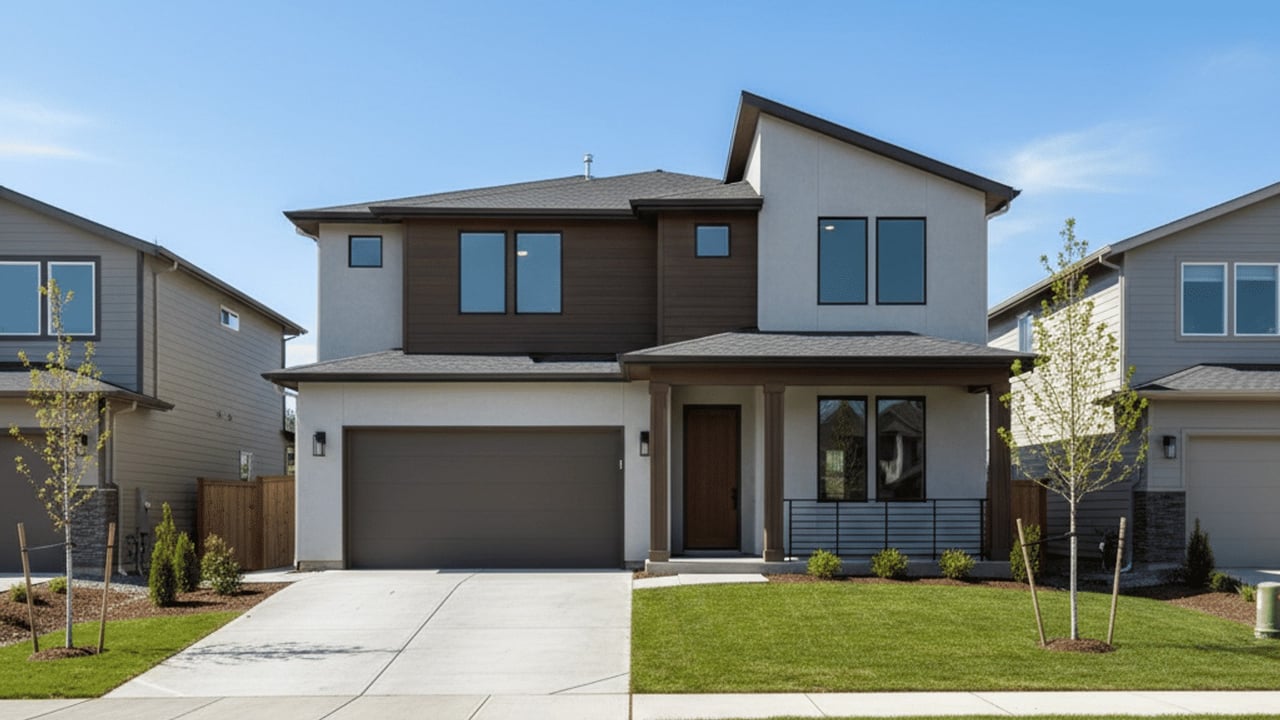
Hillsboro is where you go for modern amenities. Because the area boomed alongside the tech industry in the 1990s and 2000s, you will find a lot of contemporary construction. If you are looking at newer master-planned communities like Reed's Crossing, you can find homes that are brand new, energy-efficient, and come with central air conditioning—a feature that is surprisingly missing in many older Portland homes.
Generally speaking, your money goes further in Hillsboro regarding square footage and lot size. A $550,000 budget in Portland might get you a modest fixer-upper in a cool neighborhood. That same budget in Hillsboro could likely buy you a turnkey 3-bedroom home with a garage and a fenced yard.
Job Market: The Intel Effect
Hillsboro isn't just a bedroom community; it is a massive employment hub in its own right. It is the heart of the Silicon Forest, home to Intel’s massive Ronler Acres and Jones Farm campuses, as well as Genentech and a host of semiconductor supply chain companies.
If you work at Intel or Nike (which is just next door in Beaverton), living in Hillsboro is a massive strategic advantage. You could turn a 45-minute commute into a 10-minute drive.
Portland’s economy is more diverse. It is the center for creative agencies, healthcare giants like OHSU, the apparel industry (Adidas has its North American HQ here), and government jobs. If your career is in one of these fields, living in Portland keeps you close to the action, though many people do commute from the suburbs to the city.
Commuting & Transportation: The Battle of Highway 26
If you are planning to drive between these two cities daily, you need to get familiar with Highway 26 (the Sunset Highway). It is the main artery connecting the city to the west side, and it is a major bottleneck. During rush hour, the 17-mile drive can easily take 45 to 60 minutes or more.
Public Transit: The good news is that the MAX Blue Line connects Hillsboro directly to downtown Portland. It takes about 50–60 minutes to ride the rails from the end of the line in Hillsboro to Pioneer Courthouse Square in Portland. It’s a reliable option if you want to skip the driving stress and catch up on reading.
Walkability: Portland is significantly more bike-friendly and walkable. In many Portland neighborhoods, you can genuinely live car-free. Hillsboro is more car-dependent. Outside of specific hubs like Orenco Station, you will likely need a vehicle to run errands, get to the grocery store, or visit parks.
Schools & Education Options
For many buyers, access to education is a top priority. Portland Public Schools (PPS) is the largest district in the state. Because of its size, it offers a wide variety of specialized programs, including numerous language immersion schools (Japanese, Spanish, Mandarin, Russian) and arts-focused curriculums.
The Hillsboro School District is also very large but has a different flavor. Given its location in the Silicon Forest, the district has strong connections to local tech companies, often resulting in robust STEM programs and career-technical education pathways.
For higher education, Portland hosts Portland State University right downtown, which integrates deeply with the city. Hillsboro residents are close to Pacific University in nearby Forest Grove and have easy access to Portland Community College campuses.
Nature & Amenities: Access to the Coast and Parks
One of the best perks of living in Hillsboro is that you are already halfway to the beach. Because you are on the west side of the metro traffic, you can get to the Oregon Coast (like Cannon Beach or Seaside) in about an hour and 15 minutes, shaving a good 30 to 45 minutes off the trip compared to leaving from East Portland.
Portland, however, has the crown jewel of urban parks: Forest Park. It is one of the largest urban forests in the country, offering 80 miles of trails right within the city limits. If you want to trail run or hike without leaving town, Portland wins.
Hillsboro has its own natural beauty, most notably the Jackson Bottom Wetlands Preserve, which is fantastic for birdwatching and quiet walks. The city also invests heavily in sports complexes and recreation centers, making it easy to join a league or find a pickleball court.
Pros and Cons Summary
Here is a quick breakdown to help you scan the differences.
Living in Portland
-
Pros: Incredible walkability and transit scores; historic architecture; endless food and culture options; easy access to Forest Park.
-
Cons: Higher income taxes for top earners; traffic congestion; higher cost for parking; older homes often require more maintenance.
Living in Hillsboro
-
Pros: Lower taxes (especially income tax); newer housing stock with AC; proximity to Intel/tech jobs; closer to the Oregon Coast; quieter neighborhoods.
-
Cons: Heavy reliance on Highway 26 to get to the city; less nightlife; suburban sprawl requires a car for most errands; fewer independent boutiques.
Which is Better: Portland or Hillsboro?
Ultimately, the choice between Portland and Hillsboro comes down to lifestyle priorities and budget allocation.
If you value being in the center of the action, love historic homes, and want a lifestyle where you can walk to dinner or bike to work, living in Portland is worth the premium. You pay for the energy and the convenience of the urban core.
On the flip side, if you work in the tech sector, want a newer home with a dedicated home office and a yard, or are looking to optimize your tax situation, Hillsboro is likely the smarter play. You get more house for your money and avoid the daily gridlock of the Sunset Highway.
Frequently Asked Questions
Is it cheaper to live in Hillsboro or Portland?
While home purchase prices can be similar, the overall cost of living often favors Hillsboro. You generally get more square footage for your money in Hillsboro, and you avoid the specific local income taxes found in Multnomah County, which can save high earners a significant amount annually.
How long is the commute from Hillsboro to Portland?
The drive typically takes anywhere from 30 to 60+ minutes depending on traffic along Highway 26. If you opt for public transit, the MAX Blue Line train takes approximately 50 to 60 minutes to get from the Hillsboro transit centers to downtown Portland.
Does Hillsboro have good public transportation?
Yes, but it is focused on the MAX light rail corridor. The MAX is excellent for getting into Portland or to the airport, but moving laterally within Hillsboro (like going from your home to the grocery store) usually requires a car, as bus service is less frequent than in Portland.
Is Hillsboro considered part of Portland?
No, Hillsboro is a separate city with its own mayor, police force, and school district, located in Washington County. However, it is a major part of the Portland Metropolitan Area and functions as the economic anchor for the "Westside."
What is the tax difference between Portland and Hillsboro?
The biggest difference is income tax. Portland (Multnomah County) has additional taxes for high earners to fund preschool and supportive housing services. Hillsboro (Washington County) does not currently have these specific income tax levies, and property tax rates are also generally slightly lower in Washington County.