If you love the idea of stepping out your front door and instantly being part of a vibrant, walkable city scene, the Pearl District is likely at the top of your list. Located in the 97209 zip code, this is Portland’s premier example of industrial-to-chic urban renewal. It is a neighborhood where grit meets glamour, offering a sophisticated mix of history and modern luxury that few other areas in the Pacific Northwest can match.
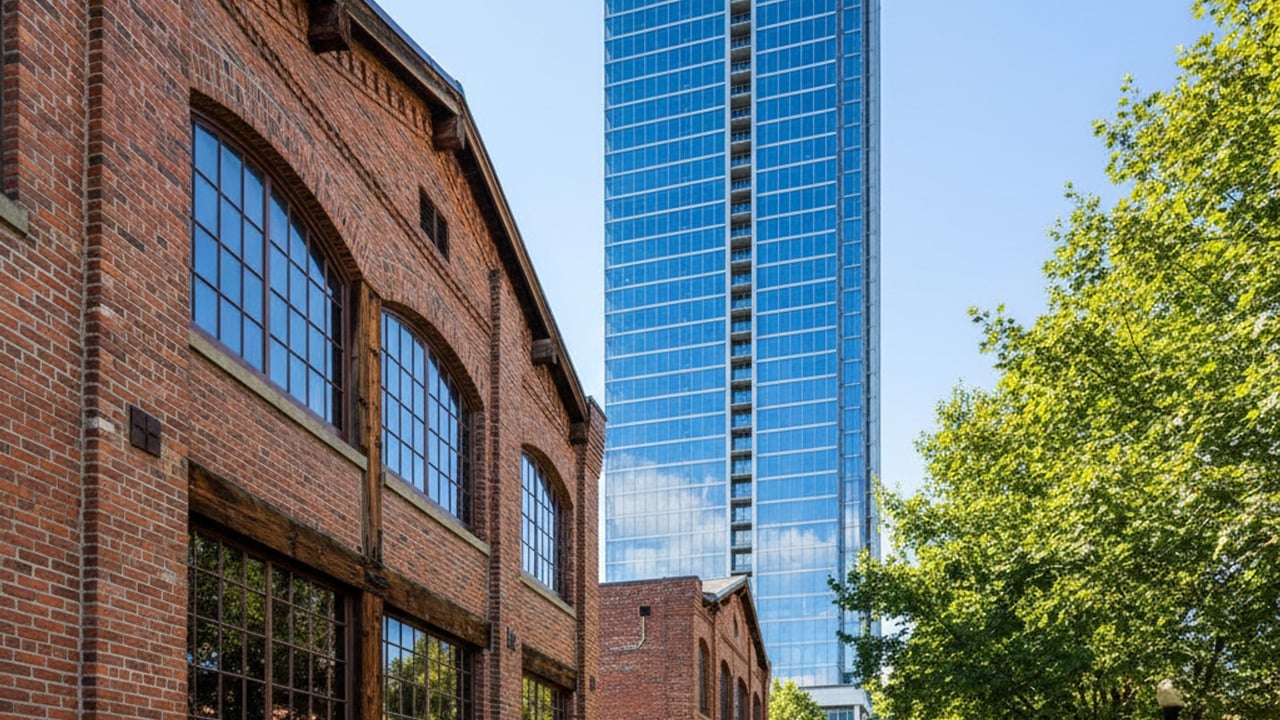
Visually, the area is stunning. You have a distinct architectural mix where red brick warehouses sit right next to gleaming glass high-rises. It is often cited as a "Walker's Paradise" with a Walk Score hovering around 99, meaning you rarely need a car to get to coffee, groceries, or work. For anyone looking at living in Portland, the Pearl represents the heartbeat of the city's urban lifestyle.
From Warehouses to Penthouses: A Brief History
To really understand the value of real estate here, you have to understand where it came from. The neighborhood wasn't always the polished hub of art galleries and espresso bars it is today. Historically, this area was known as the "Northwest Industrial Triangle," a gritty expanse of rail yards and warehouses.
The transformation began in earnest in the late 1990s. The name "The Pearl" was coined by local gallery owner Thomas Augustine, who suggested that the neighborhood’s crusty, industrial exterior hid "pearls" inside—referring to the artists and creatives inhabiting the loft spaces.
Today, that legacy of adaptive reuse is the neighborhood's signature. Developers didn't just bulldoze everything; they preserved historic armories and timber-framed warehouses, converting them into some of the most unique residential spaces in the country. This commitment to history is why the area feels established and soulful rather than manufactured.
Pearl District Real Estate Market Trends (2026 Update)
If you are thinking about buying a home in the Pearl, the numbers for 2026 tell a very specific story. Right now, we are firmly in a Buyer’s Market. Inventory has remained high, and prices have softened, giving buyers more leverage than they have seen in years.
Market Conditions at a Glance
The median sale price currently hovers between $410,000 and $460,000, which represents a dip of approximately 6% to 8% year-over-year. For buyers, the most telling stat is the Days on Market (DOM). Properties are lingering for an average of 110+ days. This slow turnover indicates that sellers are becoming more willing to negotiate on price or offer concessions to get a deal across the finish line.
Lofts vs. Condos
When you are touring homes for sale in the Pearl District, you will generally encounter two distinct property types:
-
True Lofts: These are converted warehouses like the Marshall Wells Lofts. Expect exposed timber beams, brick walls, concrete floors, and open floor plans.
-
Modern Condos: These are purpose-built towers like The Cosmopolitan on the Park. These buildings offer floor-to-ceiling glass, LEED certification, and modern layouts.
The Rental Market
Interestingly, while sales prices have softened, the rental market remains robust. Demand for luxury rentals is high, pushing rent prices upward. For investors, this creates a complex dynamic: buying costs are lower, but high HOA fees can eat into cap rates, even with strong rental income.
A Note on HOA Fees
This is the "gotcha" for many new buyers. HOA fees in the Pearl District are generally higher than the Portland average. Because many buildings offer concierges, gyms, and secure parking, you need to budget accordingly. Always look closely at the monthly dues before falling in love with a listing price.
Lifestyle & Amenities: The Pearl Experience
Living in the Pearl means your lobby is essentially the city itself. The lifestyle here is defined by access—access to food, art, and some of the best retail in Oregon.
Shopping and Daily Needs
The anchor of the neighborhood is undoubtedly Powell’s City of Books. It occupies a full city block and serves as a cultural hub for locals and tourists alike. Beyond books, the district is packed with upscale boutiques and high-end interior design stores. For your daily needs, you don't have to travel far; both Whole Foods and Safeway have large footprints here, making grocery runs incredibly convenient.
Dining and Breweries
You can’t talk about this area without mentioning the "Brewery Blocks." This adaptive reuse project houses staples like 10 Barrel Brewing and Deschutes Brewery, perfect for grabbing a pint after work. If you are looking for something more upscale, Andina has been a fixture for years, serving incredible Peruvian cuisine that draws crowds from all over the city.
The Art Scene
The neighborhood’s roots are in the arts, and that spirit is still very much alive. "First Thursday" art walks are a monthly tradition where galleries open their doors late for wine, viewing, and socializing. It is a great way to meet neighbors and see what the local creative community is up to.
Green Spaces & Parks
Despite being a concrete jungle, the Pearl has a surprising amount of dedicated green space. The parks here are designed as "urban living rooms."
-
Jamison Square: Famous for its tidal pool fountain, this is a major gathering spot in the summer for people looking to cool off.
-
Tanner Springs Park: This park feels like a piece of the wild in the city. It is a wetland-inspired refuge designed to strip away the city noise.
-
The Fields Park: Located in the northern part of the district, this features a large open lawn and is very popular with dog owners due to its off-leash area.
Crime & Safety: Is the Pearl District Safe?
This is the most common question I get from clients relocating to Portland. You may have seen headlines or a low "safety grade" online, but it is important to look at the context.
The Pearl District has an incredibly high density of people—residents, workers, and tourists. Because crime statistics are often volume-based, high foot traffic can skew the numbers. The primary issue facing residents here is property crime, specifically car break-ins and vandalism. Violent crime rates in the Pearl remain lower than in many other major metropolitan downtowns.
To mitigate this, the neighborhood is patrolled by private security (Clean & Safe), and almost all modern condo buildings offer secure, garage-based parking. Geographically, there is a vibe shift as well. The Northern Pearl (closer to the river) is generally quieter and perceived as calmer than the southern border along West Burnside, which is busier and closer to downtown social services.
Location & Transportation
One of the biggest perks of this zip code is how easy it is to get around. You are located right next to the Willamette River and just north of the central business district.
-
Public Transit: Residents rely heavily on the Portland Streetcar (specifically the NS Line), which loops through the neighborhood and connects you to the Northwest District and the South Waterfront. The MAX Light Rail also services the edges of the district.
-
Commuting: If you work downtown, you can easily walk or bike. If you commute out to Nike or Intel, access to I-405 is immediate, allowing you to jump on the freeway quickly.
-
Parking: Street parking is scarce and expensive. If you are buying a condo, a deeded parking spot is incredibly valuable—often adding $30,000 to $50,000 to the value of a unit.
Pearl District Map & Boundaries
If you are trying to visualize where the neighborhood starts and ends, here are the generally accepted boundaries:
-
North: The Willamette River
-
South: West Burnside Street (separating it from Downtown proper)
-
West: I-405 / The Fremont Bridge
-
East: NW Broadway / Old Town Chinatown
Frequently Asked Questions
Is the Pearl District in Portland safe for tourists?
Yes, the area is generally safe for tourists, particularly during the day and early evening when foot traffic is high. Like any major city, you should maintain situational awareness and keep valuables out of sight to avoid opportunistic property theft.
What is the zip code for Pearl District Portland?
The entire Pearl District falls under the zip code 97209. This zip code also covers parts of the Old Town Chinatown neighborhood to the east.
Is it better to rent or buy in the Pearl District right now?
With the 2026 market shifting to a Buyer's Market and prices softening, buying has become more attractive for those looking for long-term equity. However, if you are not ready to commit to HOA fees or a down payment, renting offers flexibility, though rental rates remain high due to demand.