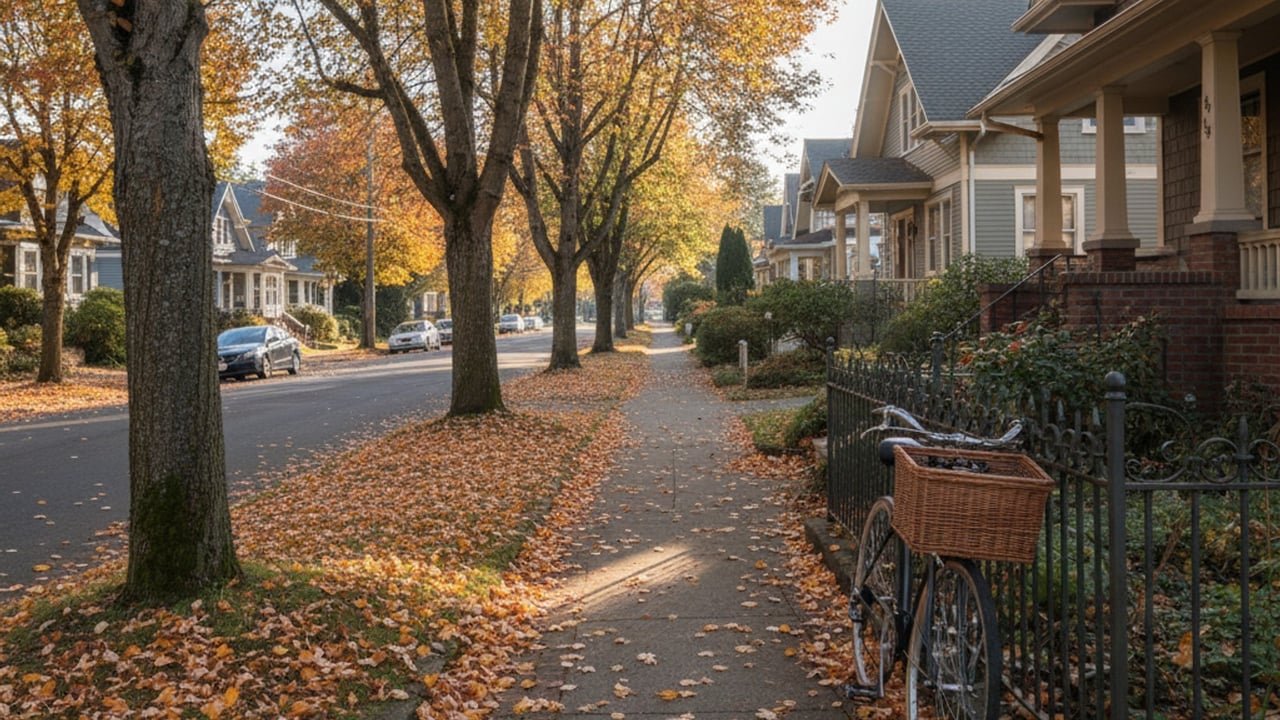
If you are looking for the version of Portland that you see in movies—the one with the tree-lined streets, the endless rows of craftsman bungalows, and the coffee shops on every corner—you are looking for Southeast Portland.
Geographically, this massive section of town sits south of East Burnside Street and stretches east from the Willamette River. But culturally, it is a world away from the glossy high-rises of the Pearl District or the business bustle of Downtown.
While the west side of the river often feels polished, "SE" feels lived-in. It is a mix of grit and charm, where historic homes sit next to vibrant commercial corridors. Whether you are looking for historic homes or just the best brunch of your life, this is usually where the search begins.
Is Southeast Portland the "Hipster" Portland?
Let’s address the elephant in the room: Yes, if you are looking for the epicenter of the "Portlandia" image, you will find it here. Specifically, the areas around Hawthorne District, Belmont, and Division Street are responsible for much of that reputation.
This part of town is defined by a fierce "keep it local" attitude. You won't find many big-box stores in the inner neighborhoods. Instead, you will find a high density of vintage shops, independent record stores, and coffee roasters.
It is also a haven for dietary preferences of all kinds. The concentration of vegan-friendly eateries and farm-to-table restaurants here is higher than almost anywhere else in the city. It’s walkable, it’s quirky, and it’s undeniably the cultural heartbeat of the Eastside.
Top Neighborhoods in Southeast Portland
Southeast isn't just one vibe; it is a collection of micro-neighborhoods, each with a distinct personality. Depending on what you are looking for, the feel of the street can change drastically within just a few miles.
Inner SE (Buckman, Hosford-Abernethy/Ladd's Addition): This is for those who want to be in the middle of the action. It is incredibly urban and walkable. A standout here is Ladd's Addition, a historic neighborhood with a unique diagonal street grid designed around lovely rose gardens. It is extremely close to downtown, making it a favorite for commuters who want to bike across the bridge.
The Villages (Sellwood-Moreland): Down at the southern tip of the area, Sellwood-Moreland feels like its own separate small town. It is famous for its "antique row" and easy access to the riverfront. It has a slower pace than Hawthorne but retains a very walkable main street.
The Hip Strips (Sunnyside, Richmond): If you want to step out your front door and be minutes away from a movie theater or a taco spot, look at Sunnyside (near Hawthorne) or Richmond (near Division). These areas are the center of the retail and dining action.
Affluent & Quiet (Eastmoreland, Reed): For a grander feel, Eastmoreland offers winding, tree-lined streets and larger historic estates. It sits right next to Reed College, giving the area a collegiate but upscale atmosphere. It is known for being quieter and more manicured than the busy districts to the north.
Up-and-Coming (Foster-Powell, Lents): As prices in the inner core have risen, many buyers are looking further east to Foster-Powell and the Lents neighborhood. These areas offer more affordable entry points into the market. They are rapidly developing their own food scenes and have diverse, growing communities.
Dining & Nightlife: Where to Eat on the Eastside
If you are moving here, bring your appetite. Southeast is arguably the best quadrant for food in the city.
Breakfast & Brunch: Portland takes brunch seriously. On weekends, you will see lines wrapping around the block at Jam on Hawthorne and Pine State Biscuits on Division. For a Scandinavian twist, Broder is another local staple that draws a crowd.
Division Street (Restaurant Row): Division Street has transformed over the last decade into a premier dining destination. You have heavy hitters like Ava Gene's for Italian, the casual but delicious Bollywood Theater, and newer favorites like Oma's Hideaway.
Nightlife & Entertainment: The nightlife here is less about clubs and more about pubs and theaters. The Bagdad Theater on Hawthorne is a McMenamins landmark where you can watch a movie with a slice of pizza and a beer. The dive bar culture is also strong along Belmont and Hawthorne.
Coffee Culture: You can't walk two blocks without hitting a roaster. While big names like Stumptown and Coava have a presence, don't sleep on the smaller cafes. Coffee here is a morning ritual, and the standard is incredibly high.
Parks, Recreation, and "Things to Do"
One of the biggest draws of SE is how green it is. You don't have to leave the city to find nature.
Mount Tabor Park: This is a crown jewel of the area. Mount Tabor is an extinct volcanic cinder cone right in the middle of the city. It offers paved and dirt trails, open reservoirs, and spectacular views of the downtown skyline. It is a major hub for joggers, cyclists, and sunset watchers.
Laurelhurst Park: If you prefer a manicured park perfect for a picnic, Laurelhurst is the spot. It has a historic, almost English-garden feel with a duck pond and massive old-growth trees.
Oaks Amusement Park: Located in Sellwood, Oaks Amusement Park is a piece of living history. It’s a small, vintage amusement park on the riverfront with a famous roller skating rink. It’s a classic weekend destination during the warmer months.
Crystal Springs Rhododendron Garden: Tucked away near Reed College, this garden is a stunning place to walk, especially in spring when the flowers are in bloom. It’s a quiet escape from the urban buzz.
Safety in Southeast Portland: The Honest Truth
When people look at homes for sale in Portland, safety is always a top question. The honest answer is that it varies, but SE generally has a very different profile than Downtown or Old Town.
Generally speaking, the residential neighborhoods in Southeast feel safe and community-focused. You will see neighbors walking dogs and kids playing in parks. Violent crime is statistically much lower in these residential pockets compared to the central city hubs.
However, property crime is a reality across the entire city. Car prowls and bike theft are common, so residents learn quickly not to leave valuables in their vehicles.
It is also worth noting that the "vibe" can shift block by block. The areas further east, specifically approaching 82nd Avenue and parts of Lents, have historically seen higher reported incident rates than inner neighborhoods like Eastmoreland. If you are new to town, it helps to drive the streets at night to get a feel for a specific location.
Living Here: Housing, Rentals, and Real Estate
The housing stock in Southeast is beautiful, primarily consisting of Craftsman bungalows, Foursquares, and Victorians built in the early 1900s. These historic homes are full of character—think wood floors, built-ins, and front porches.
Because of the high demand for walkable streets, the market here is competitive. In desirable pockets like Laurelhurst or Belmont, bidding wars can happen. As of late, median home prices in popular SE neighborhoods often hover in the $500,000 to $700,000 range, though this fluctuates based on the specific street and condition of the home.
If you aren't ready to buy, the rental market is robust. While you can find single-family homes for rent, there has been a boom in modern apartment complexes, particularly along the main corridors like Division and Burnside.
Visiting Southeast Portland: Hotels & Transit
If you are planning a scouting trip, you might notice a lack of traditional hotels in deep Southeast. Most large hotels are across the river. However, the Jupiter Hotel on the inner eastside is a funky, modern option, and there are countless guesthouses and vacation rentals scattered through the neighborhoods.
Transit is excellent here. The area is served by frequent TriMet bus lines, including the Line 14 (Hawthorne), Line 4 (Division), and Line 15 (Belmont), which all shoot straight downtown.
Also, this is one of the most bike-friendly areas in the country. The "Neighborhood Greenways"—residential streets prioritized for bikes—make it easy to get around on two wheels without battling heavy traffic.
Frequently Asked Questions
Is Southeast Portland safe for tourists?
Yes, generally speaking, the popular districts like Hawthorne and Division are safe for visitors. Like any city, you should stay aware of your surroundings and keep valuables out of sight, but these areas are busy with foot traffic and diners well into the evening.
What is the best neighborhood in SE Portland for households needing space?
If you are looking for larger lots and a quieter environment, Eastmoreland and Sellwood-Moreland are top choices. They offer a more suburban, park-like feel while still being close to the city's amenities.
Is Northeast or Southeast Portland better?
It depends on your style. Northeast Portland (specifically the Alberta Arts District) shares a similar artsy vibe but can feel slightly more spread out. Southeast tends to feel a bit denser, with more distinct commercial "strips" and a slightly grittier, more bohemian history.
What is considered "Inner" Southeast Portland?
Locals usually define "Inner" Southeast as the neighborhoods between the Willamette River and roughly 50th or 60th Avenue. Once you go past Mount Tabor and 60th, the neighborhoods become more spread out and the architecture shifts from early 1900s bungalows to mid-century styles.