If you ask a local to describe the perfect Portland weekend, they’ll probably describe a morning hike in deep forest followed immediately by an espresso and boutique shopping on a bustling city street. That specific combination isn’t just an ideal—it is the daily reality of living in Northwest Portland.
This quadrant is the city’s dense, historic heart of the west side. It offers a "best of both worlds" lifestyle that is hard to find elsewhere: the ability to live in a walkable, European-style urban district while having one of the country's largest urban forests right in your backyard.
Whether you are drawn to the historic Victorian homes of the Alphabet District, the industrial-chic apartments of Slabtown, or the quiet, winding roads of the West Hills, Northwest Portland has a distinct personality. This guide will walk you through the safety, real estate market, and unique micro-neighborhoods that make this area one of the most sought-after places to live in the Pacific Northwest.
Where is Northwest Portland? (And How Not to Confuse It)
Before we dive into the lifestyle, we need to clear up a very common point of confusion for newcomers: the difference between "North Portland" and "Northwest Portland."
In Portland’s "sextant" system (we have six geographical sections), Northwest Portland is defined as the area west of the Willamette River and north of West Burnside Street. It extends westward up into the Tualatin Mountains (the West Hills). This is the area adjacent to downtown.
North Portland is a completely different part of the city. It sits north of the Fremont Bridge and I-5, containing neighborhoods like St. Johns and Mississippi Avenue. If you tell a local you are moving to "North Portland" when you actually mean the Pearl or Nob Hill, you will get advice for a totally different area.
Think of Northwest as the bridge between the high-rise energy of downtown and the wild greenery of Forest Park.
The Neighborhoods of Northwest Portland
While "NW" is often referred to as a single entity, the vibe changes drastically depending on which blocks you are walking. The area is a patchwork of distinct districts, each with its own architecture and rhythm.
The Alphabet District (Nob Hill)
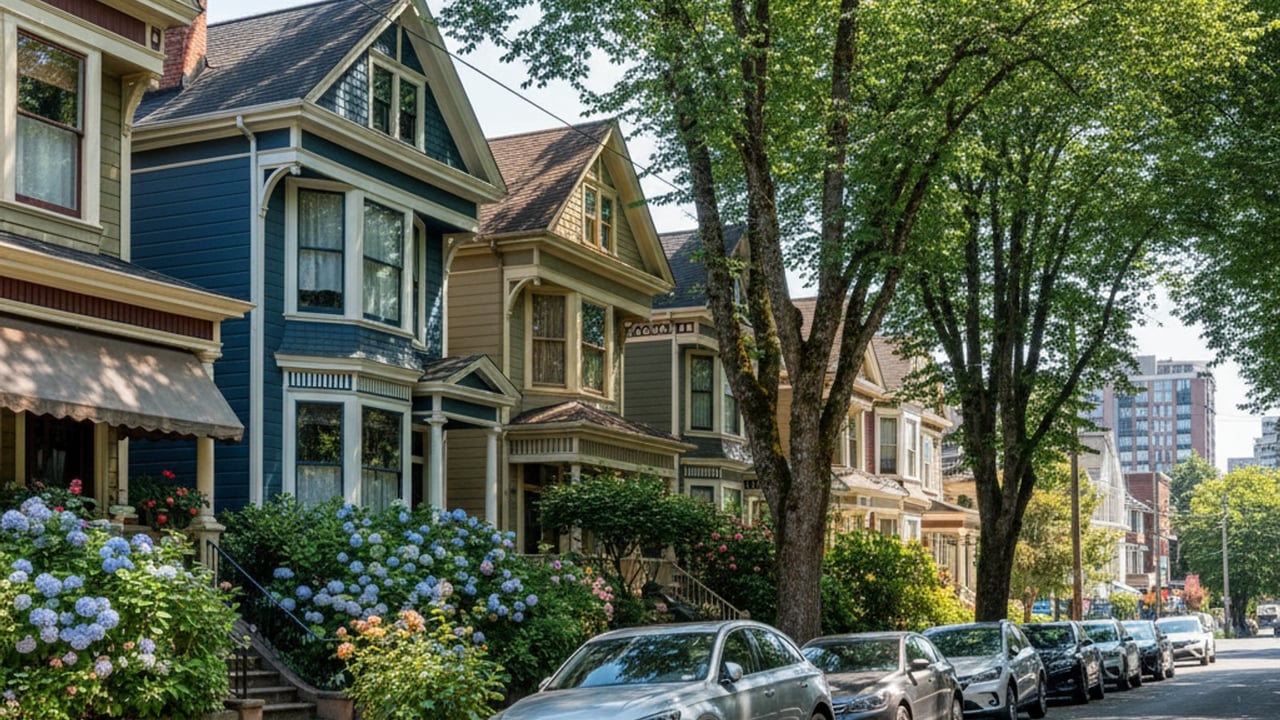
This is the postcard image of Northwest. It is often called the Alphabet District because the east-west streets are named alphabetically (Burnside, Couch, Davis, Everett, Flanders, etc.). Here, you will find stunning historic Victorian and Craftsman homes sitting right next to classic brick apartment buildings. The energy centers around NW 23rd and NW 21st Avenues, which are packed with foot traffic.
Slabtown
Just a decade ago, this area was largely industrial parking lots and warehouses. Today, Slabtown (generally the area north of NW Lovejoy) is the trendiest pocket of the quadrant. It features modern, high-amenity apartment complexes, wide sidewalks, and a "clean industrial" aesthetic. It feels newer and slightly more polished than the historic streets of Nob Hill.
The Pearl District
While often considered its own distinct entity, the Pearl District is geographically part of Northwest (south of Lovejoy, east of I-405). It is famous for converted warehouse lofts, high-rise luxury condos, and art galleries. It feels more "big city" than the rest of the quadrant.
The Hills (Arlington Heights & Willamette Heights)
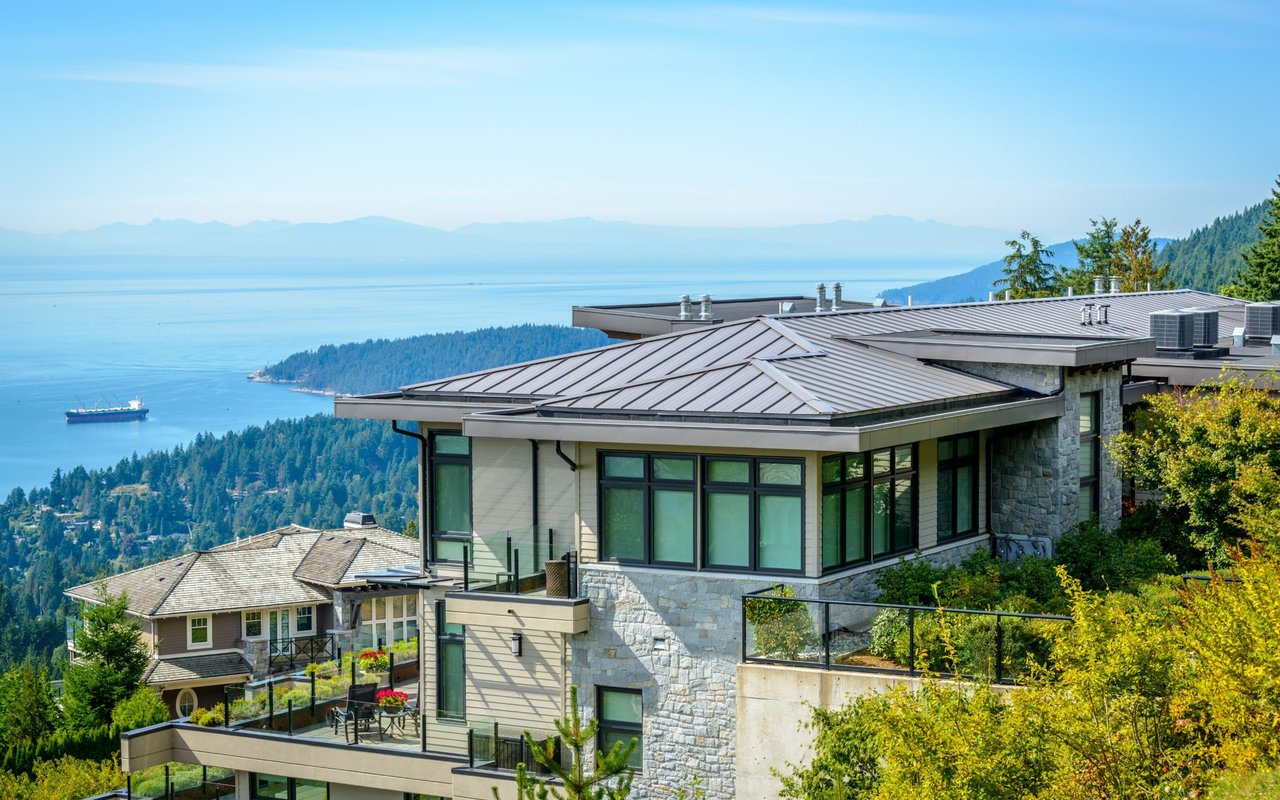
As you move west past NW 25th Avenue, the ground starts to slope upward. These residential neighborhoods wind their way up the hillside toward Forest Park. The streets get quieter, the lots get larger, and the views of the city and Mount Hood can be spectacular. This is where you go for privacy while remaining just a five-minute drive from the action.
Old Town Chinatown
Historically, this is the original core of the city near the river. While technically in the NW quadrant, it functions very differently from the residential neighborhoods mentioned above. It is primarily an entertainment and nightlife district rather than a residential hub, and it has different safety and noise dynamics compared to Nob Hill or Slabtown.
Safety & Crime: Is Northwest Portland Safe?
Safety is a top concern for anyone moving to a new city, and in Northwest Portland, the answer depends heavily on exactly where you are standing.
Generally speaking, the residential pockets of Northwest—specifically the Alphabet District, Slabtown, and the Hills—are considered very safe. These areas are active day and night with joggers, shoppers, and residents walking dogs. The "eyes on the street" effect is strong here, making it a comfortable place for most people to walk alone, even after dark.
However, it is important to distinguish these residential zones from the Old Town Chinatown border. The areas closer to downtown and the river often struggle with higher rates of homelessness and street disorder. Most residents find that the "vibe" changes noticeably as you cross I-405 toward the river.
The most common issue residents face in Northwest isn't violent crime—it is property crime. Car prowls (break-ins) are a frequent annoyance. If you park on the street, the golden rule is to leave absolutely nothing visible in your car—not even a charging cable or a gym bag.
Lifestyle: Shopping, Dining, and Recreation
People pay a premium to live in Northwest because the amenities are arguably the best in the state. You can easily live here without a car, as almost everything you need is within a few blocks.
Shopping
NW 23rd Avenue is affectionately known as "Trendy Third." It is a major retail destination featuring a mix of high-end national brands (like Restoration Hardware and Pottery Barn) alongside deeply local boutiques. Whether you need hiking gear or handmade jewelry, you can find it on a Saturday stroll.
Dining
If 23rd is for shopping, NW 21st Avenue is "Restaurant Row." The density of dining options here is staggering, ranging from cheap slice shops and dive bars to James Beard Award-winning fine dining. Slabtown has also emerged as a culinary hotspot, hosting popular breweries and modern eateries with massive patio spaces.
Nature and Parks
The crowning jewel of the neighborhood is Forest Park. It is one of the largest urban forests in the United States, offering over 80 miles of trails. The Lower Macleay Trailhead provides immediate access to the Witch's Castle (stone ruins of an old restroom) and connects avid hikers all the way to the Pittock Mansion for panoramic city views.
For a more manicured park experience, Wallace Park is the community living room. It features sports fields, a dog park, and playgrounds. It is also a prime viewing spot for the Vaux's Swifts—thousands of birds that roost in the nearby chimney of Chapman Elementary every September, drawing massive crowds.
Schools and Education
For households prioritizing education, Northwest Portland falls within the Portland Public Schools district and offers access to some of the city's most historic institutions.
The area feeds into Lincoln High School, which is located in the Goose Hollow neighborhood just south of Burnside. Lincoln is consistently one of the highest-rated high schools in Oregon. The campus was completely rebuilt and reopened recently, offering state-of-the-art facilities that rival many universities.
For younger students, Chapman Elementary is the heart of the neighborhood. Located right next to Wallace Park, it serves as a major community hub. There are also several private education options nearby, capitalizing on the proximity to downtown and the ease of public transit.
Real Estate Market: Renting vs. Buying
Real estate in Northwest Portland is diverse, but it generally shares one trait: it is among the most expensive per square foot in the city.
Buying
The housing stock is a dream for architecture lovers. You will find grand Victorian mansions, restored Craftsman bungalows, and incredible Old Portland-style four-squares. However, inventory is often low, and competition can be fierce for well-maintained homes. In the Pearl and Slabtown, the market shifts toward luxury condos and penthouses.
Renting
Northwest has one of the highest densities of renters in Portland. The Alphabet District is famous for its classic brick apartment buildings from the 1920s and 30s. These units often feature hardwood floors, clawfoot tubs, and tons of charm (though rarely central AC). Conversely, Slabtown offers brand-new construction with gyms, roof decks, and modern climate control, usually at a higher price point.
Getting Around: Transportation & Parking
If you love walking, this is your paradise. If you love driving, this might be your headache.
Walkability in the flat parts of Northwest (Nob Hill, Pearl, Slabtown) is exceptional, with Walk Scores often exceeding 90. You can handle daily errands, doctor visits, and grocery runs on foot.
Public Transit is anchored by the Portland Streetcar, specifically the NS (North-South) Line. It loops through the district, connecting you to the Pearl, Downtown, and the South Waterfront. The MAX Light Rail is accessible at the southern edges near the stadium, providing access to the airport and suburbs.
Parking is the biggest logistical challenge. Most of the residential streets fall under "Zone M," a permitted parking zone. Residents must pay for an annual permit to park on the street for longer than two hours. Even with a permit, finding a spot after 6:00 PM can be a competitive sport. If your building or home comes with a dedicated off-street parking spot, treat it like gold.
Frequently Asked Questions
Is Northwest Portland a good place to live?
Yes, if you enjoy an active, urban lifestyle. It offers a rare balance of high-density walkability, historic charm, and immediate access to nature, though it comes with a higher cost of living compared to other Portland neighborhoods.
What is the difference between North Portland and Northwest Portland?
Northwest Portland is the urban district adjacent to downtown and Forest Park, known for boutiques and historic condos. North Portland is a separate geographical section across the river and north of the Fremont Bridge, generally known for a more residential, distinct neighborhood feel.
What is the safest part of Northwest Portland?
The residential areas of the Alphabet District (Nob Hill) and the hillside neighborhoods (Willamette Heights/Arlington Heights) are generally considered the safest. The areas bordering Old Town Chinatown and the immediate downtown core tend to have higher reports of property crime and street disorder.
Does Northwest Portland have good schools?
Yes, the public schools in this quadrant are highly regarded. The area is served by Lincoln High School, which is historically one of the top-performing high schools in the state and features a newly constructed campus.