Portland, OR gets about 36 inches of rain annually - and that single fact shapes almost everything here, from how homeowners maintain their properties to why the hills stay so relentlessly green. If you're moving to the Pacific Northwest and plan on living in Portland, you deserve a straight answer about what the weather actually looks like before you make an offer on anything.
The local market doesn't wait around. Homes are selling in roughly 10 days with a median price around $561,525, so when you do find the right property, you won't have long to think. Knowing what each season brings helps you plan your house-hunting trips and gives you a realistic picture of what owning a home here actually costs and requires.
Portland, OR Climate and Daily Conditions
Portland sits in the Csb climate zone - Warm-summer Mediterranean, or marine west coast if you prefer plain English. What that means day-to-day is mild, damp winters and relatively dry, warm summers. The Pacific Ocean and the Cascade Mountains are doing most of the heavy lifting in shaping that pattern.
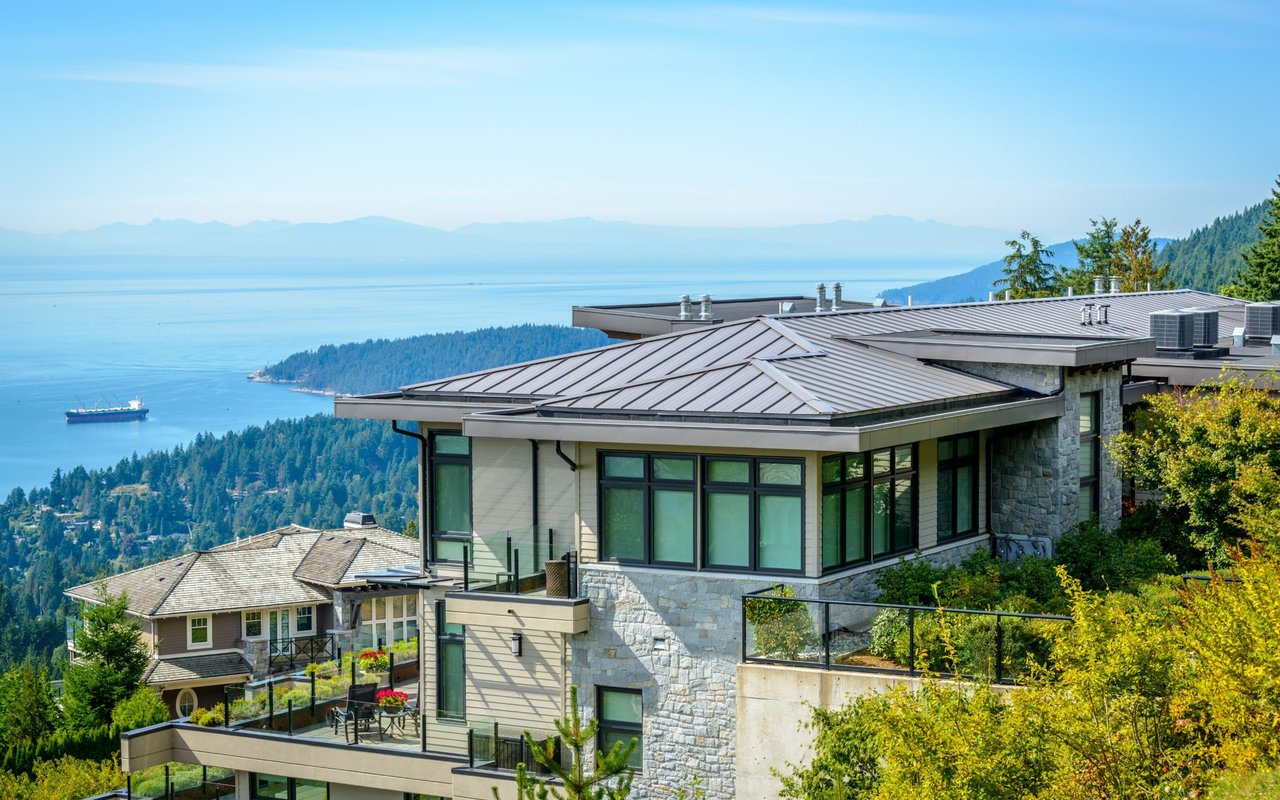
Elevation matters more here than people expect. The city center rests at about 50 feet above sea level, but the region varies widely. Neighborhoods near the Willamette and Columbia rivers sit close to sea level, while properties in the West Hills rise over 1,000 feet - and during a winter storm, those higher elevations can be experiencing something entirely different from what's happening downtown.
The Marine West Coast Climate Zone
The marine influence is what keeps Portland from getting truly brutal winters. The ocean acts as a moderating force, cutting off the deep freezes you'd see at similar latitudes elsewhere. Summers flip the script - the dry season delivers long stretches of clear sky that feel almost surprising after months of overcast.
If you're coming from somewhere drier or hotter, the divide between the wet and dry seasons will hit you fast. Rain falls predominantly from late autumn through early spring, then essentially stops. By summer, residents go weeks without reaching for an umbrella.
Seasonal Weather Patterns in Portland
Average daily highs in July and August sit around 81 degrees Fahrenheit. The four seasons are real here, but fall, winter, and spring have a habit of bleeding into each other - one long, overcast, drizzly stretch with occasional breaks.
That said, knowing how each season behaves lets you prepare the house for what's coming. Cleaning the gutters is a fall ritual. Summer means figuring out how to keep the interior cool without the central AC that many older Portland homes lack. And spring typically brings more listings to market, which matters if you're trying to time your search.
Summer Conditions
Warm, dry days and genuinely comfortable evenings. Average lows in July and August run between 57 and 60 degrees, which means you can cool the house down at night just by opening windows. Rain is rare during these months, making it the obvious season for outdoor projects and exterior work on the house.
Winter Conditions
December is the coldest month - average highs around 46 degrees, lows around 35. Severe freezes are uncommon, but the combination of persistent cloud cover and constant dampness makes the air feel colder than the thermometer suggests. That's not a complaint you'll hear only once if you move here.
Spring and Fall Transitions
September starts warm and dry before showers pick up through October and November. Spring runs the reverse, slowly trading steady rain for sun breaks as you move toward late May. Both seasons are unpredictable. Don't plan outdoor projects with any precision until you're well into June.
Monthly Temperature Averages in Portland
August is the hottest month, with average daily highs of 81 to 82 degrees. December is the coldest, with daytime highs averaging 45 to 46 degrees. A typical January day might reach 47 degrees; an April afternoon often hits the low 60s.
The spread is narrow compared to most of the country. That moderate range keeps heating and cooling costs lower than what you'd pay in climates with real extremes - though that gap is narrowing as summers get hotter.
Hottest and Coldest Months
Peak heat arrives in late July and carries through August. During that window, temperatures can spike into the 90s or higher, and demand for homes with central air conditioning has increased noticeably because of it. By September, highs are already pulling back toward the mid-70s.
December and January bring the chilliest conditions. Nighttime temperatures drop regularly into the mid-30s, frost on the windshield becomes routine, and any home without properly insulated pipes is a problem waiting to happen. Get that sorted before the cold months settle in.
Rain, Snow, and Humidity Levels
Downtown Portland averages about 36 inches of rain annually, though data collected near the airport puts the regional figure closer to 43 inches. What's worth understanding about this rain is how it falls - not in heavy downpours, but as a steady, light drizzle that can go on for days without stopping.
Humidity tracks closely with the rain. December is the peak, averaging around 83%. August drops to roughly 65%, which is a meaningful difference in how the same 80 degrees feels on your skin.
Annual Rainfall and Snow Totals
The area receives an average of 4.5 inches of snow per year, typically between December and February. Most of it is light and melts quickly. That said, occasional winter storms drop several inches at once, and when they do, local transit feels it immediately.
The West Hills neighborhoods see more snow than the city center - elevation again. If you're looking at properties above 500 feet, plan for slightly more accumulation in winter and think through what that means for getting around Portland before you fall in love with a house.
Humidity Shifts Throughout the Year
High winter humidity plus low temperatures creates a damp chill that gets into the house if the ventilation and heating systems aren't doing their jobs. Proper moisture management is a real part of homeownership here, not an afterthought. Come summer, the lower humidity is exactly why those 80-degree days feel comfortable rather than punishing.
Severe Weather and Natural Hazards
Portland deals with occasional winter ice storms that freeze tree branches and bring down power lines. No hurricanes, no significant tornadoes - but there are specific seasonal hazards worth knowing, and the past decade has introduced new weather challenges to the Pacific Northwest that weren't part of the older conversation.
Clearing brush, maintaining large trees, and upgrading insulation are standard practices here - not exceptional ones. Factor them into your maintenance budget from the start.
Wildfires, Smoke, and Extreme Heat
Late summer brings regional wildfire risk across the Pacific Northwest. The fires themselves rarely threaten the city of Portland directly, but the smoke settles into the area and air quality can drop sharply for days or weeks. Many residents have added high-efficiency filters to their HVAC systems specifically to deal with it.
Extreme heat events have become more frequent. Brief periods where temperatures exceed 90 or 100 degrees are now a real part of summer planning, and buyers are increasingly treating modern air conditioning as a must-have rather than a bonus.
Winter Ice Storms
Freezing rain is the specific hazard to understand. Cold air pushing through the Columbia River Gorge can collide with incoming Pacific moisture and produce ice storms that coat roads and vegetation. These events usually last only a few days, but power outages and travel disruptions are common when they hit.
Timing Your Move to Portland
The Portland market currently has roughly 2,025 active listings, with homes spending a median of just 10 days on the market. Weather affects both when homes become available and the practical reality of getting a moving truck unloaded in one piece. Spring and summer bring the highest volume of new listings.
Moving to Portland during the dry summer months makes the physical process much easier. The tradeoff is competition - about 45% of homes are selling above list price, and summer buyers often find themselves in multiple-offer situations.
Buying a Home in the Portland Climate
Winter house hunting has a real, underappreciated advantage: you get to see how the property handles rain. Tour a home during a downpour and you'll learn things about the gutters, the yard grading, and the roof that a dry-day visit won't tell you.
The inventory is thinner in winter, and yes, you'll face less competition. Either season works - what matters is that you understand the local weather well enough to know what to look for, what to ask the inspector, and what you're actually committing to as a homeowner here.
Frequently Asked Questions
How does Portland's rainy season affect the best time of year to list a house?
It does. Many sellers wait for the drier spring and summer months because the weather improves curb appeal and makes tours easier. That said, serious buyers shop through the winter rain - and lower winter inventory means a well-priced home has less competition to contend with.
What weather-related issues should buyers look for during a Portland home inspection?
Water intrusion is the main concern, given the 36 to 43 inches of annual rainfall. A good inspector will check drainage away from the foundation, the roof condition, and any moisture buildup in crawlspaces or basements. Don't skip this.
Are certain Portland neighborhoods more prone to winter flooding or landslide risks?
Yes. Properties at lower elevations near the Willamette and Columbia rivers carry higher flood risk during heavy winter rains. Homes in the steeper terrain of the West Hills - which rise over 1,000 feet - face elevated landslide risk when the ground becomes saturated.
Do I need central AC to get top dollar for my Portland home given the hotter summers?
It depends on the property's price point, but central AC is increasingly expected. With August temperatures averaging 81 degrees and extreme heat events becoming more common, homes with modern cooling systems attract more interest and can command a premium.
Which exterior siding holds up best against Portland's winter moisture?
Fiber cement siding is a popular choice in the Pacific Northwest. It resists the rot and moisture damage that traditional wood siding is vulnerable to during the long, damp winter season.
What happens to my transaction if a winter ice storm delays closing or moving day?
If an ice storm disrupts travel or causes power outages, the closing date can be delayed. Buyers and sellers typically sign a brief contract extension to keep the deal intact until the weather clears and title companies or municipal offices reopen.