The Portland metro area draws thousands of new residents each year, driven by its access to the Pacific Northwest outdoors and a distinct local culture. Located in the Willamette Valley, the city sits roughly 80 miles inland from the ocean beaches of the Oregon coast. Moving to Portland, OR requires an understanding of the specific financial and environmental factors that shape daily life here.
Relocating to this region means adjusting to a unique tax structure, specific transit infrastructure, and the realities of a rain-heavy winter. From evaluating neighborhood commute times to budgeting for higher income taxes, buyers should research how the local landscape aligns with their goals. The following sections break down the concrete details you need to evaluate the market.
What to Expect from the Climate and Geography
The city sits near the confluence of the Willamette River and the Columbia River, with Mount Hood visible on clear days. This location places residents within a two-hour drive of both ocean beaches and alpine skiing. The local geography directly influences the region's focus on environmentalism and outdoor recreation.
Weather patterns define much of the year, particularly the extended rainy season stretching from October through May. Portland averages about 36 inches of rain annually, which falls mostly as a persistent drizzle rather than heavy downpours. New residents should prepare for gray skies during these months, as the lack of sunlight can contribute to seasonal affective disorder.
Summers contrast sharply with the winter months, typically offering dry, warm weather from July through September. The City of Roses nickname comes to life during this window, with public parks and private gardens in full bloom. Buyers moving from sunnier climates should plan their outdoor activities around this distinct seasonal shift.
Daily Expenses and the Cost of Living
The cost of living in the Portland area runs about 16 percent higher than the national average. Housing and transportation make up the largest portions of a typical resident's budget. Gas prices currently average around $4.00 per gallon, which impacts daily commute calculations for those driving into the city.
Renters entering the market will find the average rent for a one-bedroom apartment sitting between $1,500 and $1,600 per month. Utility costs add another layer to monthly expenses, especially during the winter heating season. Buyers planning to rent before purchasing should factor these baseline costs into their relocation budget.
Oregon has no sales tax, meaning the price tag on retail goods is the final amount paid at the register. However, the state levies an income tax of 9 percent or higher for most middle-to-upper-income earners. Moving to Portland, OR means trading sales tax for higher income taxes, which alters your take-home pay compared to states with different tax structures.
The 2026 Housing Market Overview
The median home price for the Portland area sits between $512,000 and $550,000 as of mid-2026. Single-family homes in established neighborhoods often command prices well above this median. Buyers looking for detached properties should prepare for competition, especially for homes in updated condition.
Attached housing offers an entry point for buyers with budgets below the half-million mark. Townhomes and condos frequently list in the $400,000 range, depending on the neighborhood and building amenities. Condominium buyers should review the homeowners association documents to understand what maintenance the monthly dues cover.
Current inventory levels require buyers to have their financing arranged before touring properties. While the market has seen periods of rapid price escalation in past years, the 2026 landscape demands a steady approach to offers and inspections. Working with a local lender can help you close on a property without unnecessary delays.
Neighborhood Profiles to Consider
The Willamette River divides Portland into distinct east and west sections, which are further broken down into quadrants. Each section of the city features different architectural styles, ranging from historic Craftsman bungalows to modern high-rise buildings. Commute times to downtown or major employment centers vary widely depending on which side of the river you choose.
Property taxes, school assignments, and public transit access change from one zip code to the next. Buyers should tour multiple areas at different times of day to understand the local traffic patterns and retail access.
The Pearl District
Located just north of downtown Portland, the Pearl District consists primarily of converted warehouse lofts and modern condominiums. This area scores high for walkability, with grocery stores, cafes, and retail shops mixed directly into residential blocks.
Buyers looking for single-family homes will not find them here, as the zoning caters to high-density living. Residents in this area rely on the Portland Streetcar and dedicated bike lanes for local transit.
Hawthorne
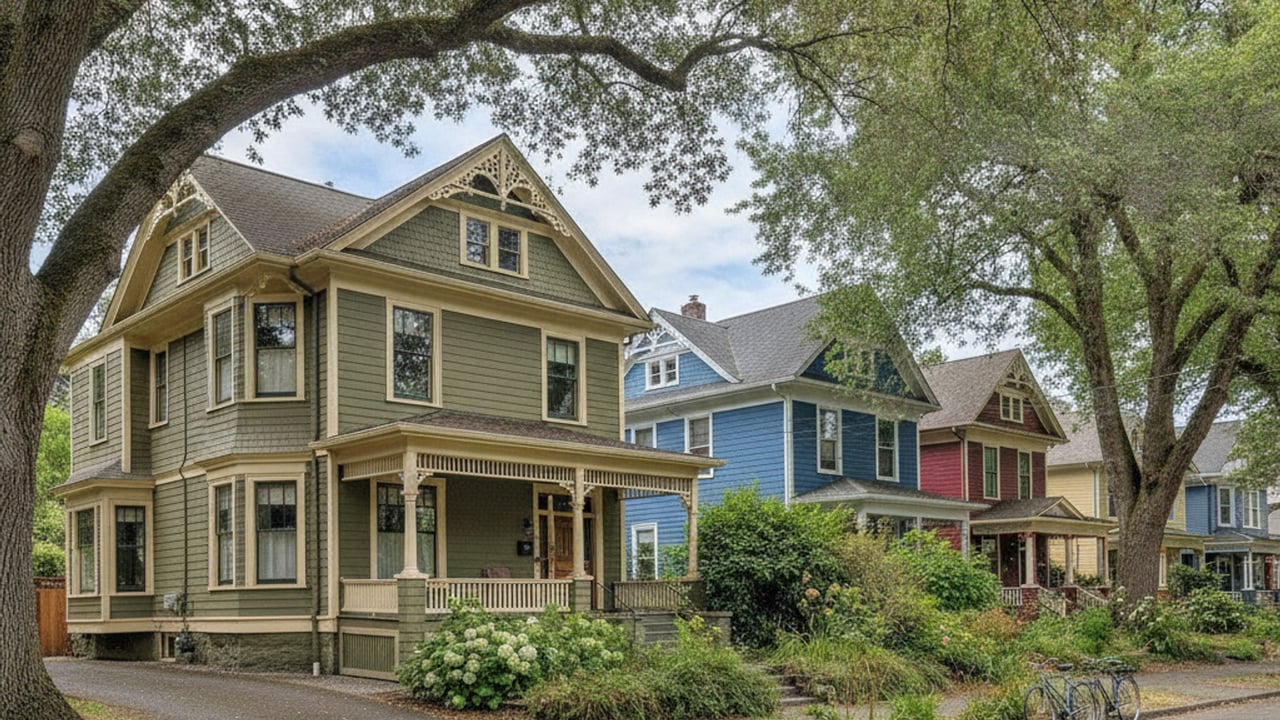
The Hawthorne district sits on the east side of the river and is known for its concentration of vintage retail and independent restaurants. Housing here consists largely of early 20th-century single-family homes, many featuring large front porches and mature trees.
Properties in this area often require updates, as many homes retain their original plumbing and electrical systems. The commercial corridor along Hawthorne Boulevard provides residents with immediate access to daily necessities without needing a car.
St. Johns
St. Johns occupies a peninsula in North Portland, bordered by the Willamette and Columbia rivers. This area offers slightly more affordable single-family homes compared to neighborhoods closer to the city center.
The neighborhood provides direct access to Forest Park via the St. Johns Bridge, making it a practical choice for buyers who prioritize trail access. Commuting downtown from St. Johns takes longer than from inner-eastside neighborhoods, which buyers should test during rush hour.
Alberta Arts District
The Alberta Arts District runs along Northeast Alberta Street and features a mix of residential streets and commercial storefronts. The housing stock includes a blend of bungalows, modern infill construction, and attached townhomes.
Local amenities include art galleries, food carts, and independent boutiques that draw visitors from across the metro area. Buyers considering this area should note that street parking can become crowded during local events and weekend evenings.
Major Employers and Local Industries
The regional economy relies on a mix of technology, healthcare, and sportswear manufacturing. The unemployment rate in the metro area sits at approximately 4.9 percent. Many professionals moving to the area secure positions before relocating to ensure a smooth transition.
Intel stands as the largest private employer in the region, with over 22,000 employees based primarily at its campuses in Washington County. The sportswear industry also anchors the local job market, led by Nike's world headquarters in nearby Beaverton, OR. These corporate campuses drive housing demand throughout the western suburbs.
Healthcare serves as another major economic pillar for the city. Providence Health & Services employs around 21,000 people across its hospitals and clinics. Oregon Health and Science University operates as both a leading medical research facility and a primary source of employment for healthcare professionals.
Public Transit and Commuting Options
The TriMet system manages public transport across the Portland area, utilizing a combination of light rail, buses, and streetcars. The MAX Light Rail connects downtown to surrounding suburbs, including a direct line to Portland International Airport. A standard adult fare costs $2.80 and remains valid for two and a half hours across all TriMet services.
Commuters who use the system daily can purchase a monthly transit pass, which is capped at $100. The Portland Streetcar operates on a separate loop, primarily serving the central city and adjacent neighborhoods. Buyers should check the proximity of MAX stations or bus stops when evaluating potential homes.
For those who drive, Interstate 5 and Interstate 84 serve as the primary highway arteries through the city. Portland traffic frequently causes delays during morning and evening commutes, particularly at bridge crossings over the Willamette River. The city also maintains an extensive network of dedicated bike lanes, offering a practical alternative for short-distance travel.
Local Schools and Universities
Portland Public Schools operates as the largest district in the state, managing dozens of elementary, middle, and high schools across the city. High schools like Lincoln, Grant, and Cleveland serve different geographic zones, and attendance boundaries can shift. Buyers should verify current school assignments directly with the district before making an offer on a home.
Higher education institutions are integrated directly into the urban landscape. Portland State University occupies a large campus on the south end of downtown, offering undergraduate and graduate programs. The university's presence brings a steady student population to the central city and supports local businesses in the area.
Specialized education and medical training take place at Oregon Health and Science University, located on Marquam Hill. The campus connects to the South Waterfront district via an aerial tram, which serves both students and medical staff. This infrastructure supports the city's growing life sciences sector.
Food, Culture, and Outdoor Access
The local food scene is defined by its decentralized network of food carts, which operate in clusters known as pods throughout the city. These pods offer a wide variety of international cuisines and serve as casual gathering spaces for residents. The city also hosts numerous craft breweries, with events like the Oregon Brewers Festival drawing crowds each summer.
Cultural institutions provide year-round entertainment options regardless of the weather. The Portland Art Museum features extensive collections of Native American and Northwest art. Book readers frequent Powell's City of Books, a massive independent bookstore that occupies an entire city block downtown.
Outdoor recreation remains a primary draw for new residents. The Columbia River Gorge sits just east of the city, offering dozens of hiking trails and waterfalls. Sports fans can watch the Portland Timbers play soccer at Providence Park, which sits directly in the city center.
Frequently Asked Questions
Is moving to Portland, OR a good idea?
Relocating here makes sense if you value access to the Pacific Northwest outdoors and a strong public transit system. Buyers should weigh the benefits of the region's natural beauty against the realities of a higher-than-average cost of living and a long rainy season. Securing employment in local sectors like technology or healthcare before arriving can make the transition much smoother.
What salary do you need to live comfortably in Portland?
A single person typically needs an annual income of at least $75,000 to cover basic expenses, housing, and taxes in the metro area. Renting an average one-bedroom apartment at $1,600 per month will consume a large portion of a lower salary, leaving less room for savings. Factoring in Oregon's 9 percent state income tax bracket is a necessary step when calculating your required take-home pay.