The median home price in Portland, OR sits between $525,000 and $550,000 this year. Buyers evaluating the Pacific Northwest often start with a fundamental question about the local environment: Is Portland, OR safe? Relocating professionals want to understand the daily reality of living here before making a purchase.
Assessing the area requires looking past national headlines to examine local data, commute logistics, and neighborhood infrastructure. From the high-rises in the Pearl District to the historic streets of Southeast Portland, Oregon, conditions change from block to block. Understanding public safety metrics, transit reliability, and property crime trends helps buyers make informed real estate decisions.
How Portland Handles Crime and Police Response
The Portland Police Bureau currently operates with about 800 sworn officers, which falls below its authorized strength of 1,037. This staffing gap impacts emergency response times, particularly for non-emergency calls and property crime reports. Violent crime trends have improved over the last few years, with homicides dropping to approximately 67 in 2024 from a record 96 in 2022.
To alleviate the strain on local police, the city utilizes the Portland Street Response program. This unarmed team handles non-emergency behavioral health and welfare calls. Diverting these specific calls frees up armed officers to focus on violent crime and immediate public safety threats.
Getting Around Portland on Foot and Transit
TriMet operates the MAX Light Rail system, connecting the central city directly to Portland International Airport and surrounding suburban counties. Commuters rely on this network to travel car-free across the Portland metropolitan area. The system features well-lit stations, though riders should remain aware of their surroundings during late-night travel.
Walkability varies widely depending on the part of town. The Pearl District and downtown Portland feature dense pedestrian crosswalks, wide sidewalks, and heavy foot traffic near destinations like Powell's Books. In parts of the city's core, visible homelessness and urban conditions impact the pedestrian experience.
Housing Styles and Prices Across the City
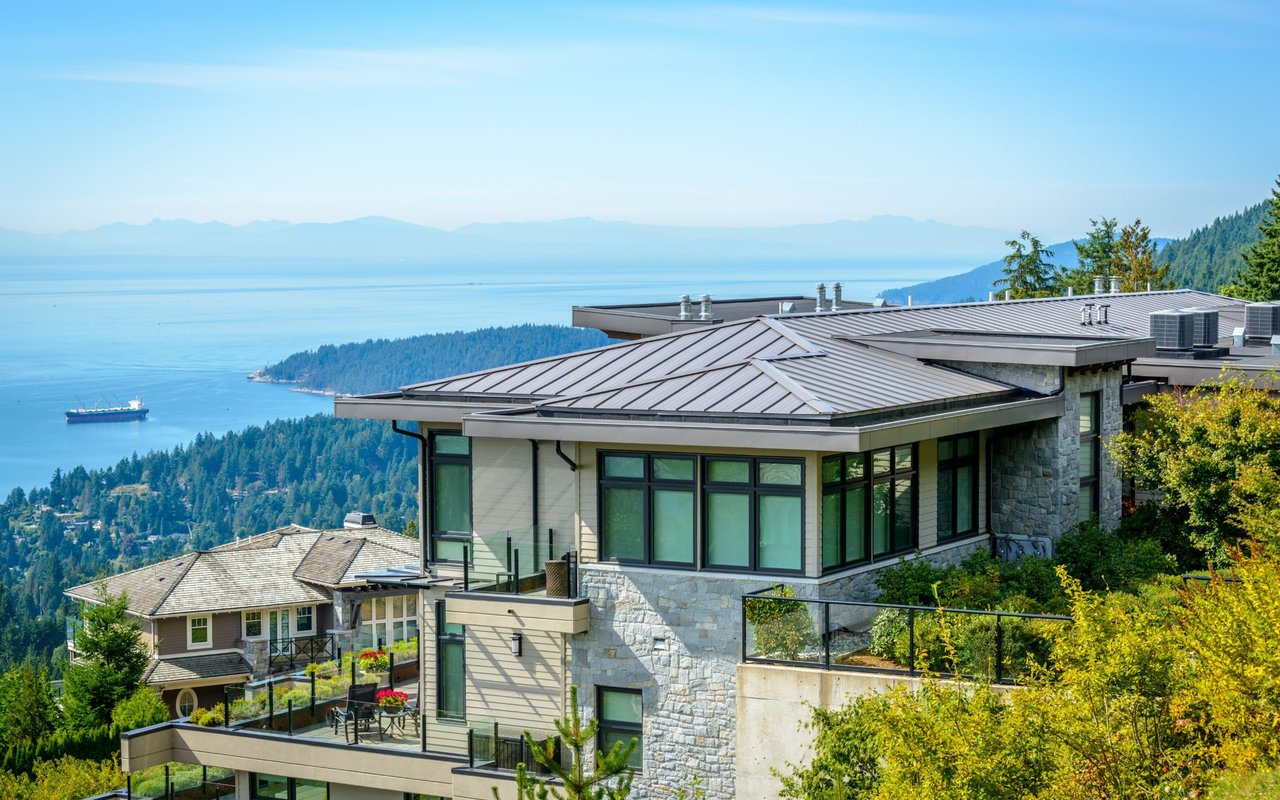
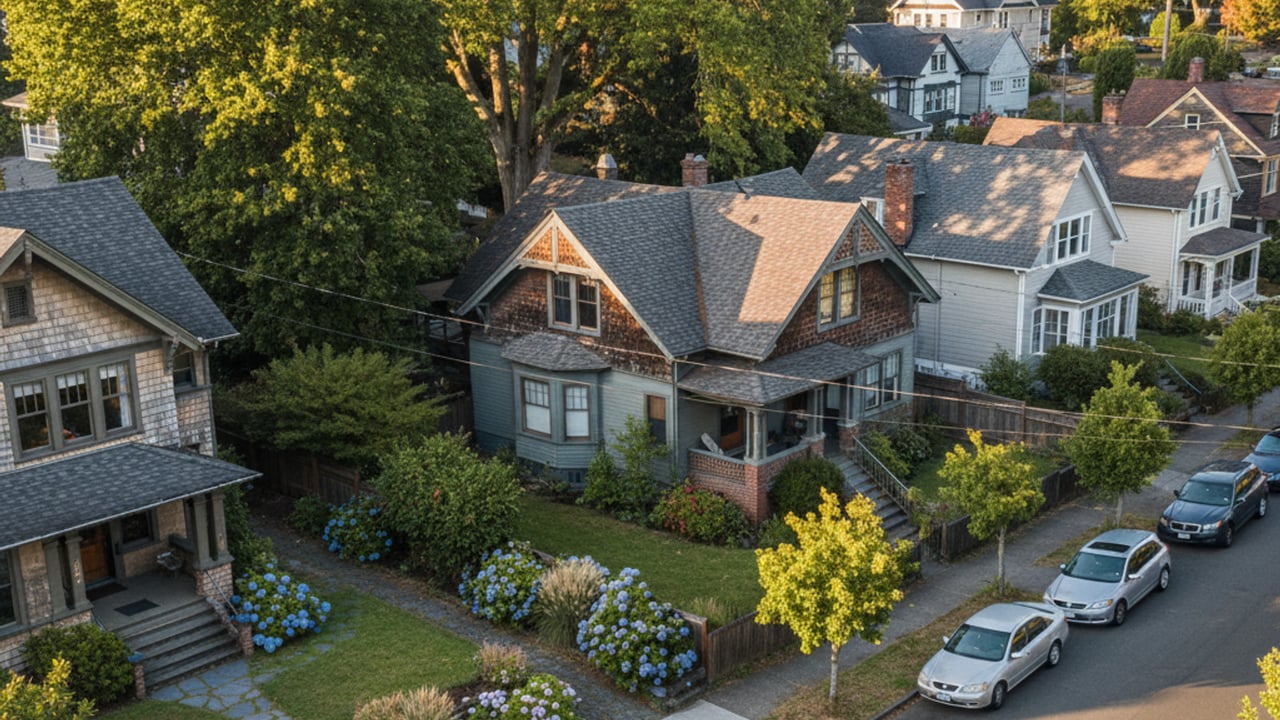
Buyers moving to Portland will find everything from new construction condominiums in the Northwest to century-old detached homes in the Southeast. The local real estate market offers distinct property types depending on which quadrant of the city you choose. Market pacing remains steady, and buyers should expect standard negotiation timelines rather than frantic bidding wars.
Pricing shifts noticeably across the Willamette River and into different neighborhoods. Here is a look at median price ranges across major sections of Portland:
-
Northwest Portland: Median prices sit around $467,000, driven largely by condos, townhomes, and proximity to major restaurants and bars.
-
Southeast Portland: Expect median prices between $499,000 and $532,000 for historic detached homes in areas like Sellwood-Moreland and Hawthorne.
-
North Portland: The St. Johns area offers a lower entry point, with median prices ranging from $350,000 to $432,000.
Access to Healthcare, Schools, and Green Spaces
Oregon Health & Science University (OHSU) serves as the primary medical hub for the region, located on Marquam Hill just south of downtown. Several major hospitals and urgent care centers branch out from the city's core to serve the wider metropolitan area. For education, the Portland Public Schools district outlines specific enrollment boundaries that dictate neighborhood school assignments.
The Pacific Northwest is known for outdoor access, and Portland integrates nature directly into its urban grid. Forest Park in Northwest Portland provides over 80 miles of trails within the city limits. Residents also utilize Washington Park, Powell Butte, and the paved paths running alongside the Willamette River and Columbia River for daily recreation.
Commuting to Downtown and the Silicon Forest
Downtown Portland sits about 17 miles east of the major tech employer campuses in Hillsboro and Beaverton. Commuters driving a personal vehicle west on US-26 experience drive times ranging from 30 minutes in light traffic to over an hour during peak rush hour. The Sunset Highway corridor frequently bottlenecks near the Vista Ridge Tunnels.
Many tech workers opt for a car-free commute using public transit. The MAX Light Rail Blue Line runs directly from downtown into the heart of the Silicon Forest. Taking the train eliminates the stress of highway traffic, though total door-to-door transit time often mirrors peak driving hours.
Practical Tips for Living and Parking in the City
Property crime remains a primary issue for residents, particularly regarding vehicle break-ins. Whether you are parking near the Lan Su Chinese Garden or leaving a car overnight in a residential driveway, you should never leave valuables visible. Even a charging cable or an empty bag left on a passenger seat can prompt a broken window.
Certain areas require heightened situational awareness, especially after dark. Buyers should spend time walking through targeted neighborhoods to understand the local environment. Keep these daily practices in mind when traveling around Portland:
-
Steer clear of areas with visible open drug use
-
Utilize well-lit main corridors like Burnside or Alberta Street when walking at night, rather than cutting through unlit alleys.
-
Remove all belongings from your vehicle every time you park, regardless of the neighborhood.
Frequently Asked Questions
What are the current safety trends in Portland?
Recent years show a measurable decline in violent incidents, bringing homicides down from previous record highs. At the same time, local authorities are expanding alternative response teams to handle non-emergency calls, allowing sworn officers to prioritize major public safety threats.
How much are median home prices in Portland?
Buyers entering the market this year will generally see citywide medians hovering around $525,000 to $550,000. Purchasing a historic property in the eastern quadrants typically costs more than securing a modern condo near the downtown core.
Is public transportation in Portland reliable?
The local train network runs on a consistent daily schedule connecting the airport to the western suburbs. Many tech employees prefer this option over driving, as it bypasses the heavy rush-hour congestion along the Sunset Highway.