St. Johns sits on a peninsula in North Portland, where the Willamette River and the Columbia River define its edges. Many residents consider it one of the best neighborhoods in Portland. The neighborhood's most recognizable landmark is the St. Johns Bridge - a Gothic-style steel suspension bridge completed in 1931, with 400-foot towers that earned it Portland Historic Landmark status. It connects the district to Linnton on the opposite bank, and on a foggy morning it looks like something out of a fairy tale. That's not a selling pitch; it's just true.
If you're exploring the Portland, OR housing market, St. Johns tends to come up because of its specific combination of established homes, everyday amenities, and a price point that still sits below the citywide median. The neighborhood has a self-contained quality to it - most of what you need day-to-day is within reach - while still being tied into the broader metro. What follows is a straightforward look at housing costs, transit, and daily services so you can decide whether this neighborhood actually fits what you're looking for.
An Overview of St. Johns in Portland, OR
St. Johns occupies the furthest northwest corner of Portland, pinned in by the two major rivers. That geography gives it hard boundaries and a distinct layout - very different from the uniform grid of inner Portland. You'll find residential blocks, commercial corridors, and industrial zones near the waterfront all within a relatively compact area.
The neighborhood functions as a hub for the broader North Portland peninsula. Cathedral Park sits directly under the St. Johns Bridge and is probably the most-used green space in the area. Local infrastructure supports both everyday living and commuting to other parts of the metro, though you should understand the geography before assuming the commute is simple.
Location and Setting
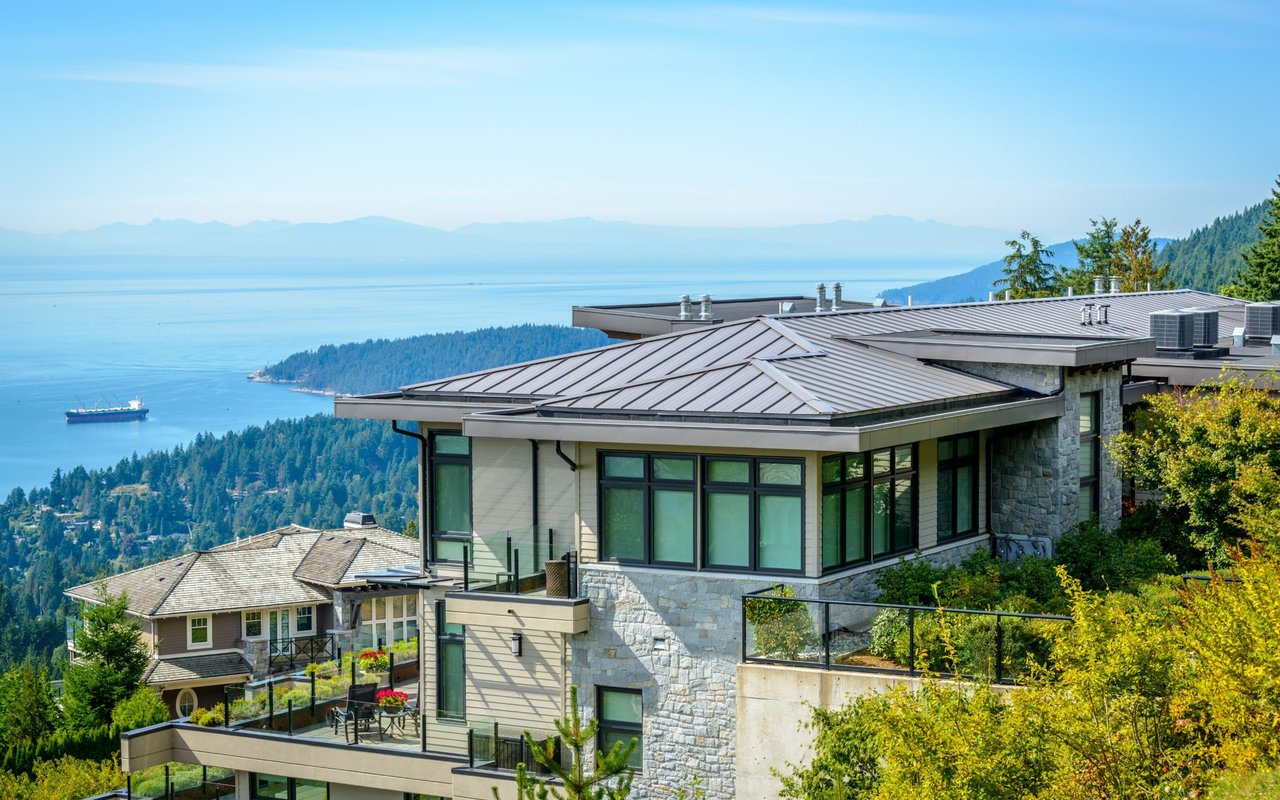
The physical setting is shaped by water access and elevation changes. Residential streets slope toward the Willamette, and some properties get territorial views because of it. The waterfront itself is a mix - recreational spaces alongside active maritime industries, not a sanitized riverwalk.
Most of the housing stock sits on flat, gridded streets above the riverbank. That layout makes the residential areas easy to walk or bike.
Connecting to the Rest of Portland
St. Johns feels separate, but the connections exist. The U.S. Route 30 Bypass crosses the St. Johns Bridge and provides a direct route to the west side of Portland. Other major arterials move traffic southeast toward downtown and the Interstate 5 corridor. It's not isolated - but it does require you to cross a bridge, and that matters during peak hours.
The Real Estate Market in St. Johns
Across the broader Portland, OR market, the median sale price sits around $561,500 as of mid-2026, with homes spending roughly 10 days on the market. St. Johns typically offers a lower entry point. Current estimates place the median home value in St. Johns between $420,000 and $460,000 - a meaningful gap.
The broader Portland market is active. Homes are selling for about 1% over list price on average, and St. Johns listings follow a similar pattern. Buyers should expect competition for well-maintained properties. The area currently has around 2.8 months of housing supply, which puts it firmly in seller's-market territory.
Home Types and Property Styles
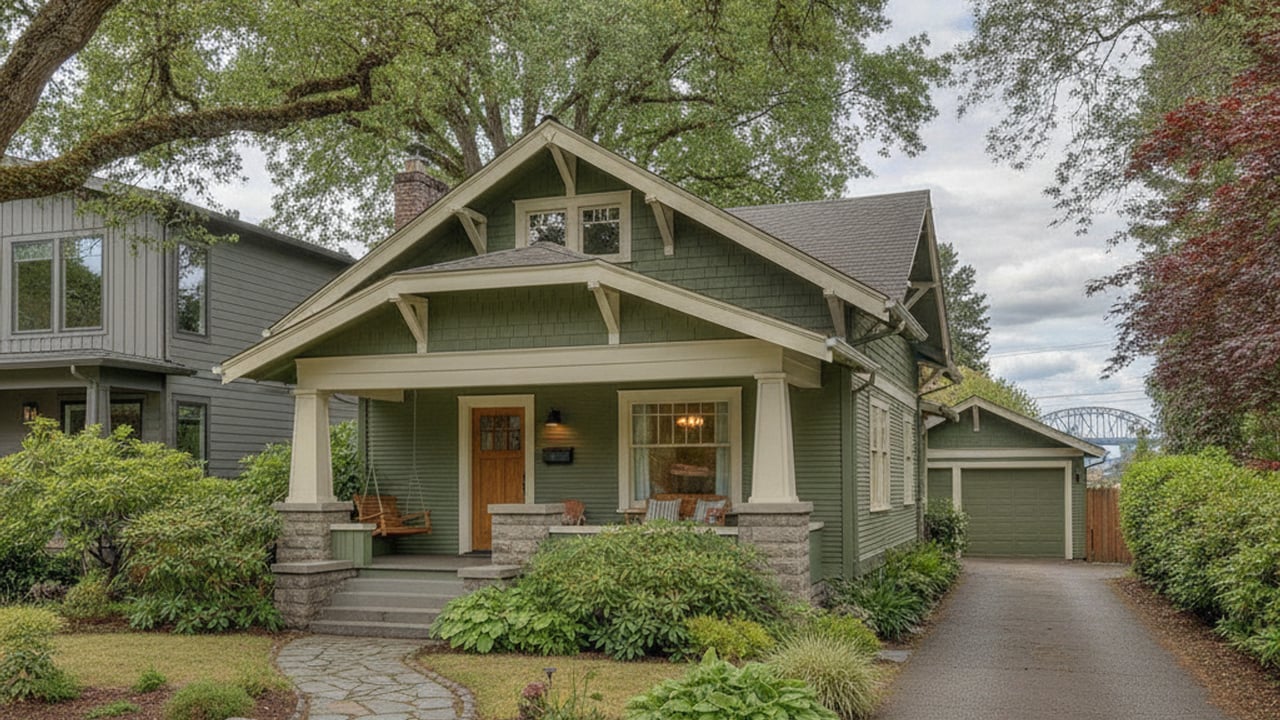
The housing stock is primarily single-family homes built in the early to mid-20th century - bungalows, ranches, and cottages on standard city lots, most of them with mature landscaping and detached garages. That's what defines the neighborhood's residential character.
Multi-family properties and townhomes are scattered throughout as well, which gives buyers who'd rather not deal with a detached house some alternatives.
New Construction Versus Established Homes
Historic homes dominate, but new construction exists in specific pockets. Infill development over the last decade has brought modern townhomes and smaller single-family homes into the mix - generally tighter lots, energy-efficient systems, less immediate maintenance.
If you're drawn to the older stock, budget for it honestly. Plumbing, electrical, and roofing updates are common in homes of this age. New construction costs more per square foot but typically won't hand you a to-do list on day one.
Daily Life: Dining, Shopping, and Getting Around
St. Johns handles most daily errands without requiring you to leave the neighborhood. The commercial center runs along North Lombard Street and North Ivanhoe Street - groceries, hardware, everyday services, all within reach. The layout makes walking and biking to those corridors practical for most residents.
Everyday Dining and Services
The dining scene is casual and local - coffee shops, bakeries, restaurants along the main commercial strips, and food cart pods offering quick meal options. Don't come expecting destination fine dining; that's not what this neighborhood does.
For regular shopping, you'll find standard grocery stores, local markets, pharmacies, banks, and auto repair shops within a short drive or walk from most homes. It's a functional commercial district, which is exactly what most buyers in this price range are looking for.
Commuting and Main Routes
The St. Johns Bridge is your primary route to the west side of the Willamette. It carries the U.S. Route 30 Bypass directly toward Linnton and onward toward Beaverton or downtown Portland.
Heading east or south, North Lombard Street and North Columbia Boulevard connect you to Interstate 5. Commute times vary with the time of day, but having multiple arterial options does help distribute the traffic load.
Practical Information: Schools, Healthcare, and Weather
St. Johns sits at the edge of Portland's city limits, which means it borders different service areas - something buyers don't always think to check until they're already under contract. Knowing which district a specific address falls into matters, and it's worth verifying before you get attached to a particular property.
Local School Districts
St. Johns is primarily served by Portland Public Schools, which manages the elementary, middle, and high schools in the main residential areas. A small northern portion of the neighborhood falls within the Scappoose School District. Check the specific address against district boundary maps before making an offer - don't assume.
Hospitals and Medical Care
Primary and specialized care is available through Providence Medical Group North Portland Family and Community Medicine. For non-emergency urgent needs, Providence Express Care and ZoomCare - St. Johns are both nearby options.
For major emergencies and full hospital services, the area is served by Providence Portland Medical Center, which provides comprehensive hospital care and specialized treatments for the broader region.
Portland Weather Patterns
The weather here matches the broader Pacific Northwest climate. Summers are mild and dry - temperatures typically in the 70s and 80s, with very little rainfall from July through September. That part is genuinely pleasant.
Winters are cool, overcast, and consistently wet. Snow is rare but does happen briefly. If you're buying an older home, make sure the drainage and roof are in good shape - prolonged winter moisture has a way of finding deferred maintenance.
Finding a Home in St. Johns
With a median sale price roughly $100,000 below the broader Portland median, St. Johns draws consistent buyer interest. Homes in the Portland metro are currently spending a median of 10 days on the market, which means you don't have the luxury of taking your time once you find something worth pursuing.
Knowing the inventory means understanding the difference between the historic bungalows and the newer infill townhomes - they're not the same market, and they appeal to different buyers for different reasons. Get clear on which category you're actually shopping in before you start touring.
Renting Versus Buying
Renting in St. Johns first is a reasonable way to learn the neighborhood's layout before committing to a purchase. Options include single-family homes, duplexes, and newer apartment buildings near the commercial center.
Buying locks in a fixed housing cost in a market where citywide prices continue to fluctuate. If you're planning to stay five or more years, the math on building equity in an established neighborhood like this tends to work in your favor.
Working With a Local Agent
A local agent gives you access to current MLS listings and gets you through the door as soon as a property hits the market - which matters when homes are moving in 10 days. That's the practical value.
Beyond access, an agent who knows North Portland understands the local zoning near the industrial waterfront and can flag issues in inspection reports on the older homes common to this neighborhood. That's the less obvious value, and it's at least as important.
Frequently Asked Questions (FAQ)
Is St. Johns still considered one of the more affordable neighborhoods to buy a home in Portland, OR?
Yes. Current estimates place the St. Johns median home value between $420,000 and $460,000, which is lower than the broader Portland median of $561,525. Buyers often look here specifically for a lower entry point into the city's housing market.
How does the St. Johns real estate market compare to nearby North Portland neighborhoods like Kenton?
It depends on the specific property type. St. Johns generally offers similar historic housing stock to Kenton - early-to-mid 20th-century bungalows are common in both areas - though St. Johns sits further out on the peninsula and has its own distinct commercial center.
Are there industrial zoning or environmental concerns buyers should know about before purchasing near the St. Johns waterfront?
Yes. The St. Johns waterfront includes active maritime and industrial zones alongside recreational areas like Cathedral Park. Review local zoning maps and property disclosures to understand how close any industrial operations are to a specific home before you make an offer.
Is the commute from St. Johns to downtown Portland a major drawback for prospective home buyers?
It depends on your tolerance for traffic and your specific destination. The neighborhood is geographically separated on a peninsula, but the U.S. Route 30 Bypass across the St. Johns Bridge provides a direct path toward the west side and downtown.
How quickly are single-family homes selling in the St. Johns neighborhood right now?
Homes in the broader Portland area are currently spending a median of 10 days on the market. Well-priced properties in St. Johns move quickly, and roughly 45% of homes in the metro area are selling above their list price.
What should sellers do to prepare a historic St. Johns bungalow for today's Portland housing market?
Focus on deferred maintenance - aging plumbing, electrical, and roofing systems are the most common issues in older homes and the first things buyers scrutinize. With just 2.8 months of housing supply in the market, well-maintained homes have clear advantage. Functional systems matter more than cosmetic updates.