If you're moving from the Midwest to the Pacific Northwest, the first thing that will surprise you about living in Portland isn't the rain - it's how fast houses disappear. The median home price in Portland, OR sits around $561,500 as of mid-2026, and half the available homes go under contract in roughly 10 days. That's a different world from the longer selling seasons most Minnesota buyers are used to.
Choosing between Portland, OR vs Minnesota isn't just a price comparison. You're weighing different property styles, neighborhood layouts, and a climate that swaps sub-zero winters for an extended rainy season. Multnomah County has historic urban neighborhoods and genuine natural spaces within city limits, but you need a clear plan going in. There's less than a three-month supply of homes here. You don't have the luxury of taking your time.
Market Pace and Pricing in the Pacific Northwest
Portland sellers are in control right now. With only 2.8 months of housing supply across Multnomah County, well-maintained properties near the Willamette River routinely draw multiple offers. About 45% of homes sell above asking price - that's not the exception, that's the pattern.
That 10-day median time on market is real, and it catches Midwest buyers off guard. If you see a house that fits, you need to be ready to submit an offer that same weekend. Get your financing fully approved before you start touring homes, not during.
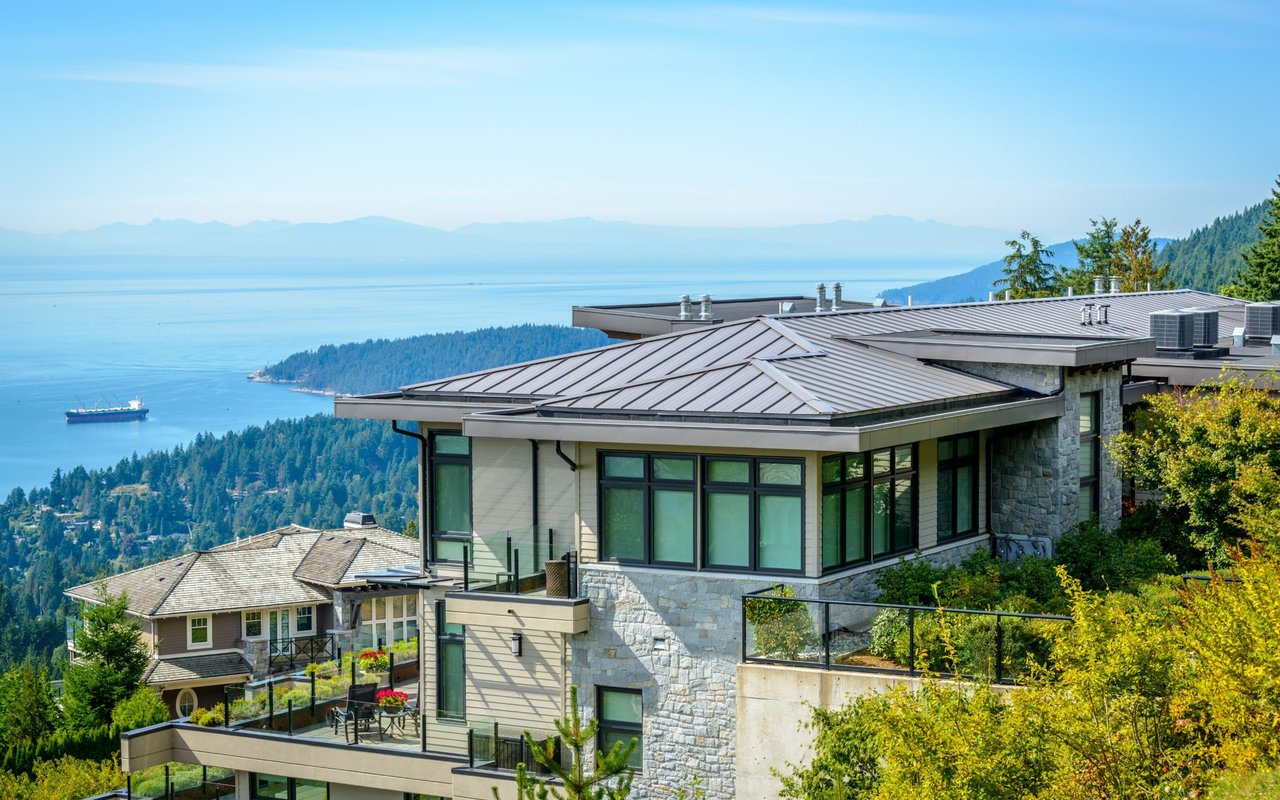
Prices have stabilized, with a modest 2% year-over-year increase keeping the median sale price near $561,500. For a Minnesota transplant, that's likely a step up in budget. The range of housing types helps - dense urban condos on one end, detached single-family homes with actual yard space on the other.
Exploring Beaverton as an Alternative to Portland Proper
When buyers start feeling the pressure of Portland's inventory, they typically expand their search west. Beaverton, Oregon sits about seven miles from downtown Portland and consistently offers more affordable options without cutting you off from the city.
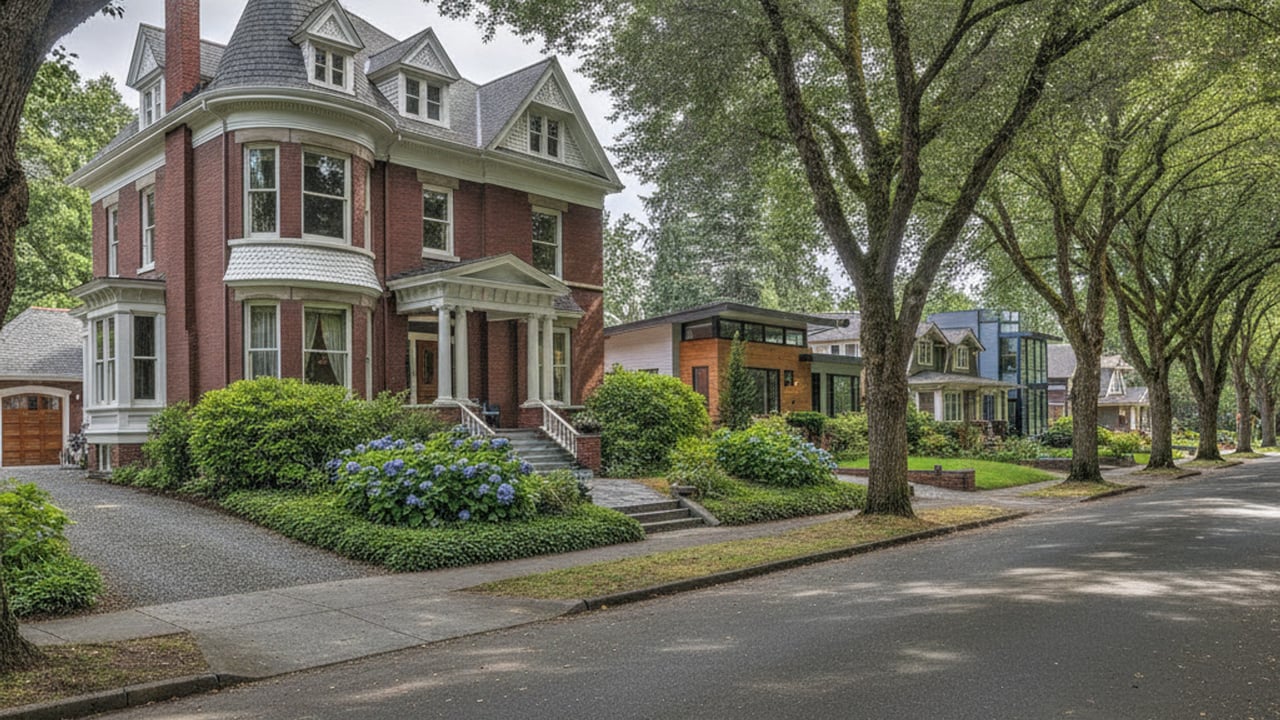
It's not just a bedroom community, either. Beaverton is home to Nike's global headquarters, which makes it a legitimate employment center in its own right - a draw for professionals who'd rather have a shorter commute than a central address. The housing stock leans toward mid-century and modern single-family homes, a different character than the historic bungalows you find closer to the Willamette River.
That said, if you're working downtown, run the numbers on daily commute times on Highway 26 before you fall in love with a lower price point. The savings can be real. So can the drive.
Outdoor Access and Climate Differences
A lot of what drives demand in the Pacific Northwest comes down to the physical landscape. Portland's Forest Park spans more than 5,000 acres and holds over 70 miles of hiking, biking, and equestrian paths - it's the largest natural urban park in the United States. The 30-mile Wildwood Trail runs through it, and homes near those trailheads carry a premium because buyers consistently make proximity to green space a priority.
It's a different kind of outdoor life than the lake-centric recreation most Minnesotans are used to. Dense forest, elevation changes, trails out your back door.
Then there's the weather. You're giving up the deep freezes and the snow removal, but the trade-off is a prolonged wet season. Roofs, gutters, and perimeter drainage systems aren't optional maintenance here - they're annual obligations. A house that's been well cared for in Portland shows it in those systems. One that hasn't shows it too.
Frequently Asked Questions
How does the cost of buying a home in Portland, OR compare to the housing market in Minnesota?
Multnomah County runs higher than most Midwest markets. The median home price in Portland is roughly $561,500, homes typically go under contract in about 10 days, and nearly half of all listings sell above asking price. Plan for a faster and more competitive environment than you're probably used to.
Will I pay more in property and state taxes living in Portland, OR compared to Minnesota?
It depends on your specific income and property value. Oregon has no sales tax, but it levies a higher state income tax, and property tax rates vary widely by county and school district. Run your actual numbers with a tax professional before drawing any conclusions.
What do Minnesota transplants need to know about home maintenance in Portland's rainy climate versus harsh Midwest winters?
You're trading snow removal for water management. Portland homes need clear gutters, intact roofing, and proper grading to move heavy winter rains away from the foundation. Frozen pipes are rarely the concern they are in Minnesota, but moss removal and exterior paint upkeep become annual tasks instead.
Which Portland neighborhoods offer a similar lifestyle and housing style to the Twin Cities?
Buyers who want a mix of urban amenities and residential streets often look just outside the city center. Beaverton, seven miles west of downtown, offers a combination of corporate employment - anchored by Nike's world headquarters - and accessible suburban housing that tends to appeal to that profile.
How long does the process take to buy a home in Portland while simultaneously selling a house in Minnesota?
The Portland side moves fast - homes go under contract in roughly 10 days. The overall timeline depends on how quickly your Midwest property sells. Many buyers sell their current home first or use a bridge loan to avoid writing a contingent offer in a market where 45% of homes sell above list price. A contingent offer here is a hard sell.
Do I need to secure employment in Portland, OR before a lender will approve my out-of-state mortgage application?
Yes, in most cases. Lenders generally want proof of stable income in your new location - an offer letter or a remote work agreement from your current employer will typically satisfy that requirement. If you're planning to work locally, landing a position at a major hub like Nike's global headquarters in Beaverton is the kind of thing underwriters like to see.