Buyers moving to Oregon often weigh two distinct regions: the lush Willamette Valley and the arid Central Oregon landscape. Choosing between Portland and Bend comes down to housing budgets, job sectors, and preferred weather patterns. Both cities offer immediate access to the Cascade Range, but their daily lifestyles differ.
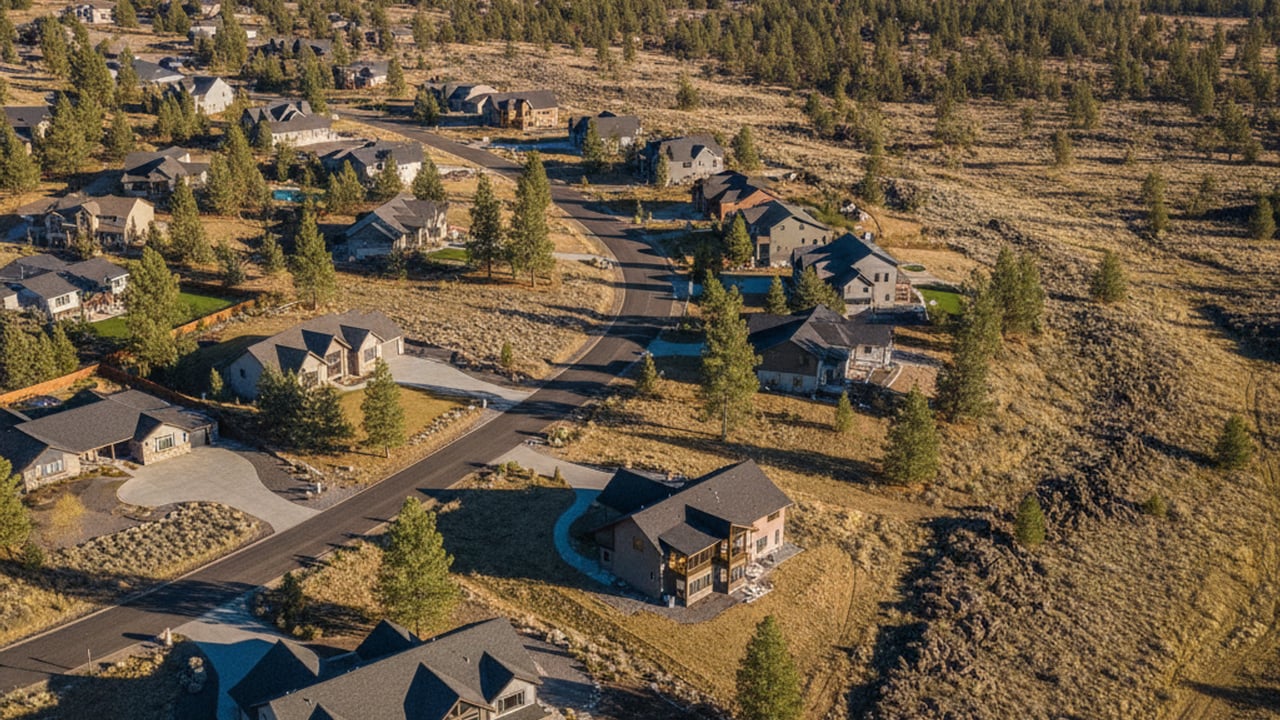
Portland sits along the Columbia River and serves as the economic hub of the Pacific Northwest. Bend lies east of the mountains in the High Desert, offering a smaller population spread across a terrain of ponderosa pines and volcanic rock. Understanding the 2026 housing market in each location helps buyers make an informed decision.
Current Housing Prices and Property Styles
The median home price in Bend reached roughly $725,000 in mid-2026. Portland sits lower, with a median home price hovering around $545,000. This price gap stems from Bend's limited housing supply and continuous demand from remote workers relocating to Central Oregon.
Buyers looking in the Portland metro area will find a dense, established market with properties spanning multiple decades. Bend's market relies on newer construction and planned developments expanding outward from the city center. Each location caters to different architectural preferences and lot sizes.
Architectural Trends in Portland
Portland neighborhoods feature historic bungalows, classic Craftsman homes, and mid-century modern designs. Downtown and the Pearl District provide high-density living options, including converted lofts and modern condominiums. Buyers seeking walkable streets with mature tree canopies often focus their search on Portland's east side.
Lot sizes in Portland tend to be smaller, reflecting the city's urban growth boundary. Homeowners here often prioritize proximity to local coffee shops, craft beer spots, and the MAX Light Rail system over expansive yards.
Bend's Real Estate Landscape
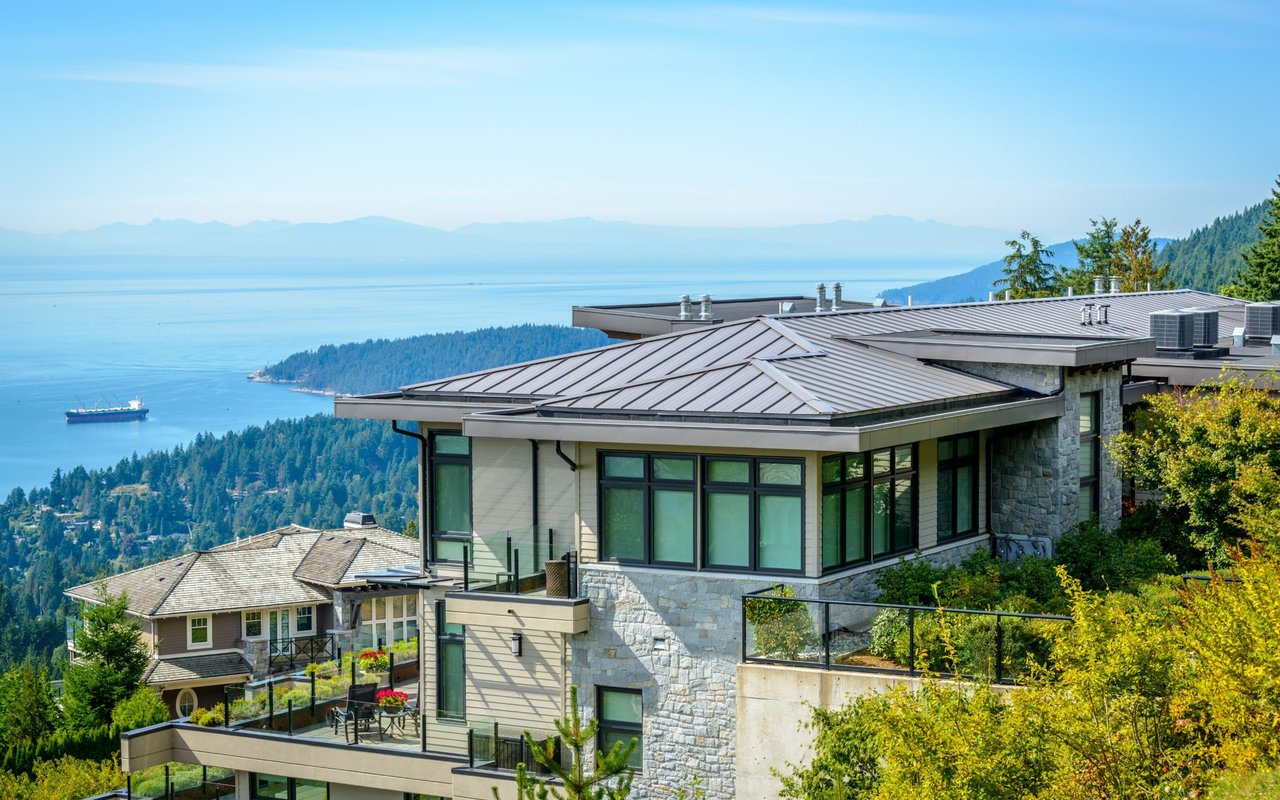
Bend offers a mix of ranch-style houses, modern mountain cabins, and large custom builds. Many recent developments feature contemporary Pacific Northwest architecture with large windows designed to capture the local sunlight.
Neighborhoods on the west side of Bend command premium prices due to their proximity to the Deschutes River and mountain trails. Buyers looking for more square footage or larger plots of land often find better options on the east side or in neighboring Redmond, OR.
Daily Expenses and Property Taxes
Oregon does not collect a state sales tax, which lowers the cost of everyday purchases in both cities. However, property taxes and local levies create distinct financial profiles for homeowners in Multnomah County versus Deschutes County. Buyers should factor these local tax rates into their monthly mortgage calculations.
Multnomah County homeowners often pay median property taxes exceeding $5,000 annually. This figure includes various local bonds and levies that fund regional projects and services. Deschutes County maintains a lower property tax rate, sitting at roughly 1.1% of assessed value.
Groceries and Goods
Bend's geographic isolation increases the cost of goods and groceries. Delivery trucks must cross mountain passes to reach Central Oregon, adding transportation costs to everyday items. Residents often notice higher prices at the supermarket compared to stores in the Willamette Valley.
Portland benefits from its position along Interstate 5 and the Columbia River. This major freight corridor keeps shipping costs lower, resulting in more competitive pricing for groceries and retail goods.
Local Economies and Transit Options
Portland's economy revolves around major corporate campuses, including Intel and Nike, Inc. The city supports robust technology, healthcare, and athletic apparel sectors. Bend operates on a different scale, with an economy anchored by tourism, local breweries, and a large population of remote workers.
Commute times and transit infrastructure differ between the two regions. Portland residents utilize TriMet, a comprehensive public transport network featuring buses and the MAX Light Rail. Bend relies on Cascades East Transit, which operates a smaller bus fleet suited for its lower population density.
Employment and Remote Work
Professionals seeking traditional corporate roles or manufacturing jobs generally find more opportunities in the Portland metro area. The sheer size of the Willamette Valley economy provides a wider range of career paths across multiple industries.
Bend caters to digital nomads and entrepreneurs. The city has invested in co-working spaces and high-speed internet infrastructure to support professionals who work from home. The local job market also provides opportunities in hospitality, outdoor recreation, and the craft beer industry.
Airports and Travel
Frequent flyers in Portland have direct access to Portland International Airport (PDX), a major hub offering international and cross-country flights. Residents can reach the terminals via the MAX Red Line or a short drive from most neighborhoods.
Bend residents fly out of Redmond Municipal Airport (RDM), located about 20 minutes north of the city. While RDM offers direct flights to major western hubs like Seattle, San Francisco, and Denver, international travel requires a connecting flight.
Climate Patterns and Outdoor Access
Portland averages 36 inches of rain annually, creating the dense green forests associated with the Pacific Northwest. Bend receives far less precipitation, averaging about 300 days of sunshine per year. This climate divide shapes the outdoor recreation culture in each city.
Buyers choosing Portland get a temperate climate with mild winters and warm, dry summers. Bend experiences distinct seasons, including cold, snowy winters and hot summer afternoons. Both locations offer world-class outdoor amenities, but the access points and activities vary.
Portland's Proximity to Nature
Portland integrates nature directly into the city limits. Forest Park offers more than 80 miles of hiking and running trails just minutes from downtown. Residents also utilize the Willamette River for kayaking and paddleboarding during the summer months.
Weekend trips from Portland offer variety. Drivers can reach the Oregon Coast in about 90 minutes or head east to the Columbia River Gorge for waterfall hikes. Mount Hood provides winter skiing and summer mountain biking within a two-hour drive.
Bend's High Desert Environment
Bend places residents at the immediate edge of the wilderness. Mount Bachelor ski area sits just 22 miles from town, making pre-work ski runs a common local routine. The Deschutes River runs directly through the city, serving as a central hub for floating, fishing, and trail running.
The surrounding Central Oregon landscape features unique geological formations. Climbers and hikers frequent Smith Rock State Park, located just north of Redmond, OR. The extensive network of mountain biking trails accessible directly from Bend neighborhoods remains a major draw for relocating buyers.
Frequently Asked Questions
Why is Bend more expensive than Portland?
Bend faces hard geographical limits on new construction due to surrounding public lands, keeping inventory low. A steady influx of high-earning remote workers continues to drive demand for these limited homes. This imbalance pushes Bend's median home price nearly $180,000 higher than Portland's average.
Which city is better for remote work?
Bend offers a lifestyle specifically tailored to remote workers who want immediate trail access between meetings. However, Portland provides faster internet speeds in certain older neighborhoods and direct access to a major international airport. The choice depends on whether a buyer prioritizes mountain proximity or urban amenities.
How do the job markets compare between Portland and Bend?
Portland features a traditional corporate job market anchored by major tech and apparel headquarters. Bend's local economy focuses on tourism, healthcare, and local brewing, with many residents bringing their own jobs from out of state. Buyers needing a local corporate salary should focus their search on the Willamette Valley.