Is Portland, Oregon Good for Young Professionals in 2026? A Local’s Honest Take
If you are asking the big question—“Is Portland, Oregon good for young professionals right now?”—the short answer is yes, but with a specific caveat. Portland is an incredible landing spot if you value work-life balance, access to nature, and creative freedom over the hyper-competitive “hustle culture” you might find in larger tech hubs. If you're interested in living in Portland, it's important to understand the local dynamic.
As we settle into 2026, the city feels different than it did a few years ago. We are seeing a distinct “grassroots revival.” The narrative has shifted away from massive corporate expansion and toward a surge in local creative startups and hybrid work setups. It’s a city that feels human-scale again.
However, moving here involves trade-offs. You get zero sales tax and world-class outdoor access, but you also deal with a higher cost of living compared to the Midwest and a hefty state income tax. If you are thinking about moving to Portland Oregon, you need to weigh the lifestyle perks against the financial reality.
The Job Market: Industries & Opportunities
Let’s get down to business. If you are relocating here, you need to know where the paychecks are coming from. The employment landscape for early-career workers in 2026 is diverse, leaning heavily on specialized industries rather than general corporate roles. For more details on the job market in Portland, check out our comprehensive guide.
The Big Players The region is still anchored by what we call the "Silicon Forest." Tech and software remain huge here, with Intel being the massive anchor in the suburbs, alongside a healthy ecosystem of software firms downtown. Then you have the apparel giants—Nike, Columbia, and Adidas—which drive a massive amount of employment in marketing, design, and logistics. Healthcare is also a powerhouse sector, with OHSU (Oregon Health & Science University) continuing to be a major economic driver.
The Local Shift & Remote Work One trend defining 2026 is the rise of "local" entrepreneurship. We are seeing a boom in micro-roasters, maker collectives, and green tech startups. If you want to work for a company where you actually know the founder, Portland is a goldmine. Additionally, despite some return-to-office mandates, Portland remains a haven for remote work. The coffee shop culture here was practically built for the laptop class.
Money Talk So, what does it take to make it here?
-
Survival Budget: A single adult generally needs about $52,000 pre-tax to keep their head above water.
-
Comfortable Lifestyle: To really enjoy the breweries, weekend trips, and save for the future, a salary closer to $83,000 is the recommended benchmark.
If you are scouting jobs in Portland Oregon, keep those numbers in mind during negotiation.
Cost of Living Breakdown for Singles
Portland isn't cheap, but it isn't San Francisco or Seattle, either. It sits in a middle ground that can feel expensive if you aren't prepared. Let’s look at where your monthly budget actually goes. For a more detailed breakdown, consider our article on the cost of living in Portland.
Housing Costs This will be your biggest line item. For a centrally located, decent one-bedroom apartment, you are looking at average rent between $1,400 and $1,700. You can find cheaper spots if you go further out or grab a studio, but that range gets you into the neighborhoods where young professionals actually want to be.
The "Oregon Paradox" (Taxes) This is the part that confuses newcomers. Oregon has no sales tax. You see a price tag of $5.00, you pay $5.00. It’s fantastic for buying big-ticket items like cars or furniture. However, the state makes up for it with a high income tax (starting at 9% for many professionals). It benefits big spenders but hits high earners harder.
Utilities & Food On the bright side, our utilities are generally lower than the national average—about 8% less—thanks to abundant hydro power. Conversely, don't be shocked when your grocery bill is a bit higher. We have a massive culture of organic, locally sourced food here, and while delicious, that farm-to-table lettuce costs a premium.
When you run the numbers on a cost of living calculator, make sure you factor in gas prices, which historically hover around the $4.00/gallon mark here.
Best Neighborhoods for Young Professionals
Portland is a "city of neighborhoods," and choosing the right one dictates your entire social life. If you are looking for walkability, nightlife, and a quick commute, here are the top spots to consider.
The Pearl District If you want the shiny, urban experience, this is it. The Pearl is full of converted industrial lofts and high-rise condos. It’s incredibly walkable to downtown and hosts amazing art galleries and dining.
-
The Vibe: Upscale, polished, and busy.
-
The Cost: High. Expect a rental premium here, with nice units easily topping $1,800+.
Nob Hill (NW District) Just west of the Pearl, Nob Hill feels like a different world. It’s famous for Victorian homes converted into four-plexes and the trendy shopping strip along NW 23rd Avenue. It’s perfect if you want a historic aesthetic but still want to walk to Trader Joe’s and quiet cocktail bars.
Buckman/Kerns (The Eastside) Cross the river to the Eastside for something grittier and arguably "cooler." This area is foodie central. It has a younger, more alternative vibe compared to the polished west side. You’ll find more affordable rentals here, often in vintage apartment buildings or shared houses.
Mississippi/Williams Further north, these parallel streets are energetic corridors packed with live music venues, bike lanes, and a vibrant bar scene. It’s a magnet for the creative crowd and offers a great mix of nightlife and day-drinking patio culture.
If you dig deeper into a Pearl District guide or research living in NW Portland, you'll see that each quadrant has a very distinct personality. For more on the best areas, see our guide on Portland and families.
Lifestyle: Socializing & The Outdoors
Life in Portland isn't just about the grind. In fact, people here work to live, not the other way around.
The "Third Place" Culture Socializing here rarely happens at a velvet-rope nightclub. The local "third place" (your spot outside home and work) is usually a coffee shop, a climbing gym, or a brewery. We have a massive amount of heated patios, meaning the social scene stays active even during the drizzle.
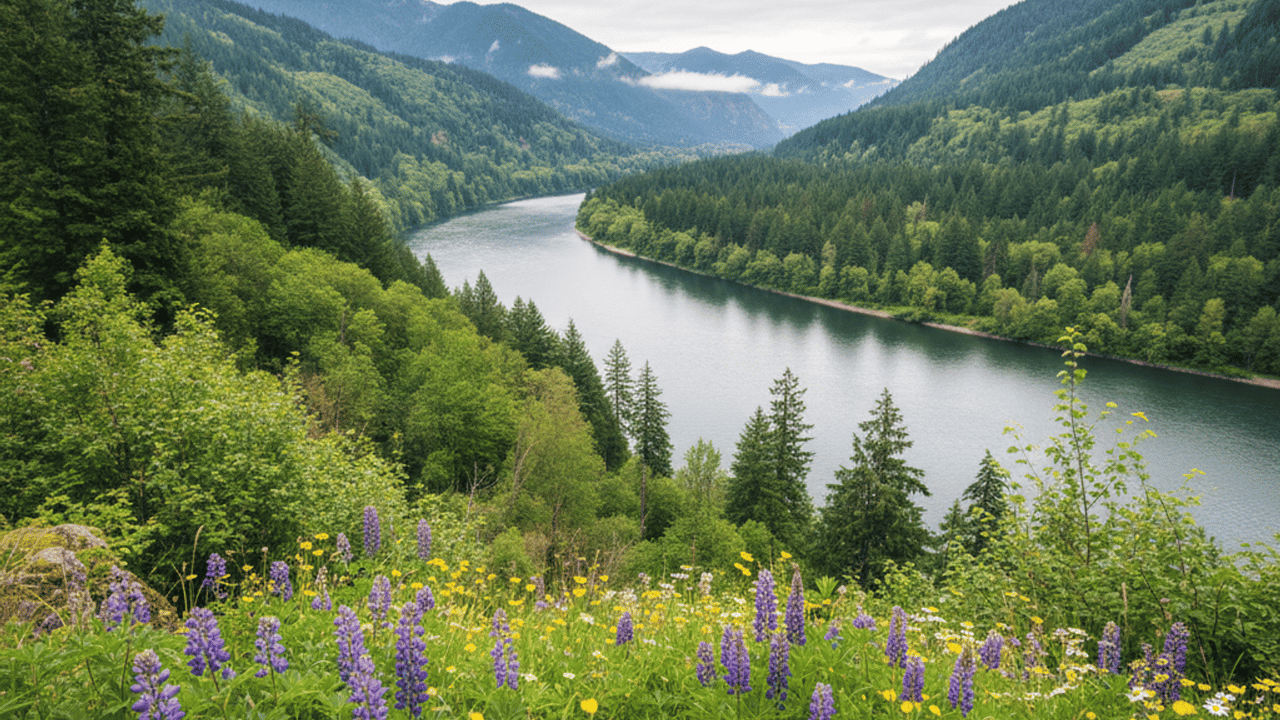
Access to Nature This is usually the #1 reason people move here. You have Forest Park right in the city limits—5,000 acres of hiking trails where you can completely forget you are in a metro area. If you have a car, the stunning Columbia River Gorge is 30 minutes away, and Mt. Hood is about 90 minutes out for skiing or snowboarding. Check out our article on things to do in Portland for more ideas.
The Social Scene A heads-up for newcomers: making friends can sometimes take effort. The "Seattle Freeze" exists here, too. People are polite but can be reserved about inviting new people into their inner circles. The best hack? Join a run club, a rec league, or a hobby group. Shared activities are the social currency here.
The Honest Pros and Cons
I want to be real with you because every city has its issues. Here is the balanced view of living in Portland in 2026.
-
The Pros:
-
Food & Drink: The restaurant scene punches way above its weight class.
-
Nature: Unmatched access to mountains, ocean, and forests.
-
Transit: Eco-friendly options like the MAX light rail and extensive bike paths.
-
Culture: A generally liberal, inclusive atmosphere where "be yourself" is actually practiced.
-
The Cons:
-
Social Issues: Homelessness and visible poverty remain challenges in 2026. You will see tents and struggling populations in certain corridors.
-
The Grey: Seasonal Affective Disorder (SAD) is real. The winters aren't cold, but they are very grey for months on end.
-
Traffic: As the city grows, congestion is rising, especially crossing the bridges at rush hour.
A Note on Safety: While property crime (like car break-ins) is an issue, violent crime rates in Portland often remain lower than in other major metros. However, perception varies heavily by neighborhood, so it is worth visiting an area at night before signing a lease. For more information, see our guide on is Portland safe.
Getting Around: Do You Need a Car?
This is one of the most common questions I get. The answer depends on your lifestyle. Our article on getting around Portland has more tips.
Public Transit & Biking If you live and work centrally (Pearl, Downtown, close-in Eastside), you absolutely do not need a car. TriMet (our bus system) and the MAX light rail are robust. Plus, Portland is consistently rated one of the most bike-friendly cities in the US. In central areas, the "Bike Score" is often 90+, and you'll see cyclists everywhere, rain or shine.
The Case for Car Ownership While daily commuting is easy without a car, owning one unlocks the best part of Oregon: the outdoors. It is tough to get to the trailhead at Mt. Hood or the coast on a bus. Many young pros opt to be "car-lite"—sharing a vehicle with a partner or using car-share services for weekend adventures—because parking in neighborhoods like the Pearl can be expensive and frustrating.
Portland vs. Seattle vs. Denver
Still on the fence? Here is how Portland stacks up against its main rivals.
-
Vs. Seattle: Portland is cheaper, smaller, and "quirkier." Seattle has the massive tech jobs (Amazon/Microsoft) and no state income tax, but the cost of entry there is significantly higher, and the vibe is more corporate.
-
Vs. Denver: Both are outdoorsy, but different flavors. Portland gives you lush greenery, big trees, and ocean access with mild (wet) winters. Denver offers way more sunshine and a "sportier" vibe, but you have to deal with real snow and a drier landscape.
FAQ: Questions Young Professionals Ask
What is a good salary for a single person in Portland, Oregon?
To live comfortably as a single person in 2026—meaning you can rent a nice apartment, eat out, and save money—you should aim for a salary around $83,000. While you can survive on roughly $52,000, money will be tight, and you will likely need roommates or a strict budget.
Is Portland safe for young professionals living alone?
Generally, yes, especially in the popular neighborhoods like Nob Hill, the Pearl, and Kerns. However, like any major city, you need street smarts; property crime is common, so never leave valuables in your car, and be aware of your surroundings at night in downtown corridors.
Which part of Portland is best for millennials?
Most millennials and young professionals flock to the Eastside (Buckman, casual and cool) or Nob Hill (trendy and walkable). These areas offer the highest concentration of bars, restaurants, and walkability, avoiding the sleepier suburbs.
Is it hard to find a job in Portland right now?
It depends on your sector. Healthcare and specialized tech roles are seeing steady growth in 2026, but general corporate roles can be competitive. It is often smart to secure a position—or a confirmed remote role—before you pack up the moving truck.
Do I need a car if I live in Portland?
No, you do not need one for daily life if you live in the city center or near a MAX line. However, having a car is highly recommended if you plan to take advantage of the hiking, skiing, and camping that make living here so special.