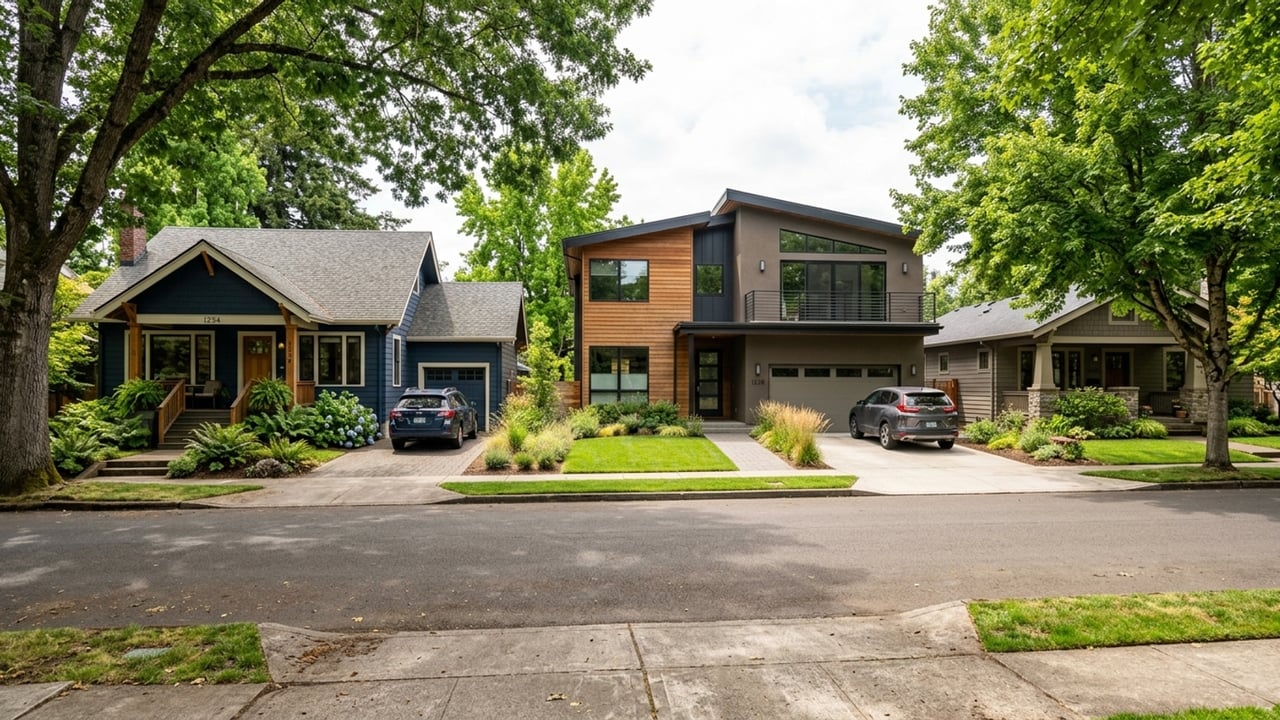
Portland's real estate market doesn't wait around. Homes spend a median of roughly 10 days on the market, and with about 45% of properties selling above asking price, you're often competing against multiple offers before you've had time to think. This fast pace demands professionals backed by strong real estate agent training and mentorship in Portland, OR.
At a median sale price of around $561,000, the stakes are high enough that who you hire - and what standards they're held to - genuinely matters. Knowing how accountability works in this market isn't just background reading. It's how you protect yourself.
What Real Estate Accountability Means in Portland
Professional accountability here means your agent or property manager operates under specific legal and ethical guidelines - not guidelines they can opt out of, but rules codified in Oregon state statutes.
The baseline covers everything from how earnest money gets handled to what defects have to be disclosed. Under Oregon Administrative Rule (OAR) 863-015-0200, licensees owe specific duties to all parties in a transaction. They must deal honestly, present all written offers in a timely manner, and disclose material facts. That last one holds even when an agent represents the seller - they still can't withhold known, significant issues from a buyer.
Performance Metrics for Portland Real Estate Agents
Measuring an agent comes down to two things: legal compliance and daily transactional habits. A good agent tracks local inventory - currently sitting at roughly 2,025 available homes in the Portland area - and uses that data to guide your decisions, not to pressure you into a quick close.
There are two areas worth looking at closely.
Communication and Fiduciary Duties
Oregon law spells out the fiduciary duties your agent owes you. ORS 696.805 covers a seller's agent's obligations; ORS 696.810 covers a buyer's agent. Both statutes require loyalty, obedience, confidentiality, reasonable care, and accounting. If an agent is representing both sides of the same deal, that arrangement is governed by ORS 696.815, which sets the rules for disclosed limited agency.
Market Knowledge and Pricing Accuracy
Portland's average sale-to-list ratio runs at roughly 101%, meaning homes generally sell for slightly more than asking. An agent who consistently underprices or overprices listings is failing a basic part of the job. On the buy side, you should expect your agent to analyze comparable sales - not just point to Zillow estimates - so you're not overpaying in a competitive environment.
Holding Property Managers Accountable in Multnomah County
Property managers handle daily operations for rental properties and homeowner associations (HOAs), and they operate under formal property management agreements that define exactly what they're responsible for. If you're an investor or on an HOA board, read those contracts carefully. Clear performance benchmarks written into the agreement are what give you leverage if something goes wrong.
A reliable property manager protects the physical asset while maintaining compliance with local housing codes.
Maintenance Response Times
Delayed repairs aren't just an inconvenience - they can cause property damage and put a manager in violation of local habitability standards. A solid property management agreement spells out specific timeframes for both emergency and routine maintenance requests. Clear communication channels during those events matter for tenants and owners alike.
Financial Reporting and Transparency
Property managers collect rent, pay vendors, and manage reserve funds for HOAs. Owners should receive detailed monthly financial statements showing all income and expenses. Failing to provide accurate financial reporting isn't just sloppy - it's a breach of the manager's contractual and ethical duties.
Regulatory Bodies That Enforce Standards in Oregon
The Oregon Real Estate Agency is the state entity that licenses and regulates real estate professionals. They're headquartered at 530 Center St NE, Suite 100 in Salem, operating under the direction of the Real Estate Commissioner. The agency handles licensing, audits, and formal investigations into alleged legal violations - and if a broker crosses the line, they have the authority to suspend or revoke a license.
At the local level, the Portland Metropolitan Association of Realtors (PMAR) promotes ethical business practices. It's a non-profit trade association with more than 7,000 members, and it handles grievances related to the National Association of Realtors (NAR) Code of Ethics. These two bodies - state and local - cover different ground, so knowing which one applies to your situation matters.
Frequently Asked Questions
What are the exact steps to file a formal complaint with the Oregon Real Estate Agency against a Portland broker?
You can submit a formal complaint directly through the Oregon Real Estate Agency's website or by contacting their Salem office. The agency will review the submission to determine if the broker violated specific state statutes, such as ORS 696.805 or ORS 696.810.
Am I on the hook for cancellation fees if I fire my Portland listing agent for failing to market my home?
It depends on the terms outlined in your specific listing agreement. Some brokerages charge a fee to cover upfront marketing costs, while others allow you to terminate the contract without penalty if performance standards are not met.
How do I terminate an Oregon buyer's broker agreement early if my agent isn't meeting our agreed-upon performance standards?
Start by reviewing the termination clause in your buyer's representation agreement. If the agent is failing to uphold their statutory duties under ORS 696.810, you can usually submit a written cancellation request to their principal broker.
How do 'easy exit' performance guarantees compare to standard exclusive listing contracts in the Portland market?
An "easy exit" guarantee allows a seller to cancel the agreement at any time without penalty if they're unhappy with the service. Standard exclusive listing contracts typically bind the seller for a set period - such as three to six months - and require mutual agreement to terminate early.
Can I hold a brokerage's principal broker accountable if my individual Portland Realtor drops the ball on my transaction?
Yes. Principal brokers in Oregon are responsible for supervising the real estate activities of the licensees registered under them. If your agent fails to meet their statutory duties, you can escalate the issue to the principal broker for resolution.
How long is the statute of limitations in Oregon to take action against a real estate agent for a breach of fiduciary duty?
Oregon law generally imposes a specific time limit for filing civil lawsuits related to professional negligence or breach of duty. You should consult a local real estate attorney to determine the exact deadline applicable to your specific situation.