The Oregon Real Estate Agency issued thousands of new licenses over the last few years. Earning a real estate license in Oregon requires completing 150 hours of coursework and passing the PSI exam. Building a sustainable business requires a specific strategy for lead generation, market mastery, and daily operations.
Oregon brokers operate in a diverse landscape that ranges from dense multi-family zoning in Portland, OR, to expansive rural properties in Deschutes County. A focused New Oregon Real Estate Agent Success Plan helps brokers transition from passing the state exam to closing their first transaction. This guide breaks down the exact steps to build your real estate career during your first three months.
The timeline between passing the exam and earning your first commission check often takes longer than new agents expect. Establishing a predictable routine early prevents the common trap of waiting for the phone to ring. Following a structured plan ensures you spend your initial months building a pipeline rather than just printing business cards.
Structuring Your First 90 Days as a Broker
New brokers spend their first 30 days completing administrative tasks and setting up business systems. Candidates must complete 150 hours of pre-licensing education through an approved provider before they can schedule their state exam. The license application submitted to the Oregon Real Estate Agency requires a $300 fee.
You must also clear a background check, which involves submitting fingerprints to the Oregon State Police. Passing the state and national portions of the PSI exam is the final hurdle before your license becomes active. The exam tests your knowledge of property ownership, financing, agency law, and Oregon-specific statutes.
Once your broker license is active, you should immediately select a real estate CRM to manage your contacts. Your sphere of influence—friends, family, and past colleagues—will be the foundation of your early lead generation efforts. You should input every contact into your database and set up a systematic communication schedule.
Interviewing and selecting a managing principal broker who aligns with your business goals is the next step. Different brokerages offer varying levels of mentorship, marketing support, and administrative assistance for newly licensed agents. Finding an office environment that provides hands-on training accelerates your learning curve.
By your second month, your focus should shift to learning the local real estate market and shadowing producing agents. Attending property inspections, reviewing active listings, and practicing mock purchase agreements builds practical skills. This hands-on experience builds the confidence needed to represent active buyers and sellers.
During days 61 through 90, you should dedicate most of your time to active lead generation. Hosting open houses, distributing marketing materials, and making daily calls will start filling your pipeline. Consistency in these daily activities eventually translates into signed representation agreements and closed sales.
Learning Local Geography to Answer Buyer Questions
Buyers frequently ask detailed questions about commute times and neighborhood boundaries before scheduling a showing. Mapping out drive times from residential subdivisions to major commercial hubs like downtown Portland, OR, or the I-5 corridor helps buyers understand their daily travel requirements. Providing exact commute estimates along US-26 or I-84 sets clear expectations for morning traffic.
School district boundaries are another major factor for many purchasers moving into a new area. Agents who memorize the exact dividing lines of major Oregon school districts within their target market are better prepared for these inquiries. Buyers rely on accurate boundary data when deciding where to submit an offer.
Proximity to outdoor recreation is a major draw for people relocating to the Pacific Northwest. Documenting the distance from specific neighborhoods to local state parks and trailheads adds tangible value to your buyer consultations. A knowledgeable agent can immediately cite the driving distance to popular spots like Silver Falls State Park or the Columbia River Gorge.
Understanding traffic patterns during rush hour provides another layer of local expertise. Driving the major arterial roads during peak morning and evening hours reveals true congestion levels. Sharing these realistic travel times builds trust with clients relocating from out of state.
Property Types and Median Price Ranges Across the State
The mid-2026 statewide median home price sits around $507,000, but local markets vary widely across different counties. High-demand areas like Bend, OR, routinely see median prices exceed $790,000. Understanding these localized price ranges allows you to set accurate expectations for buyers entering the market.
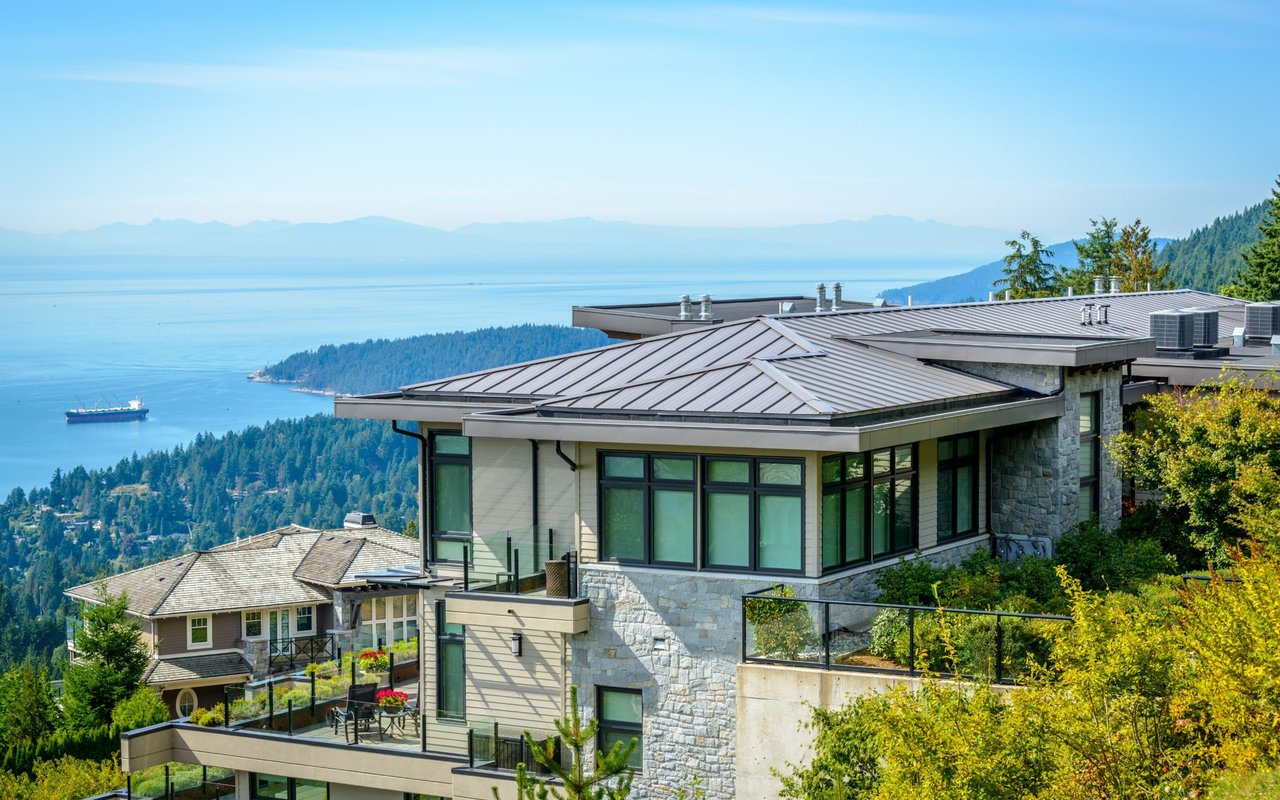
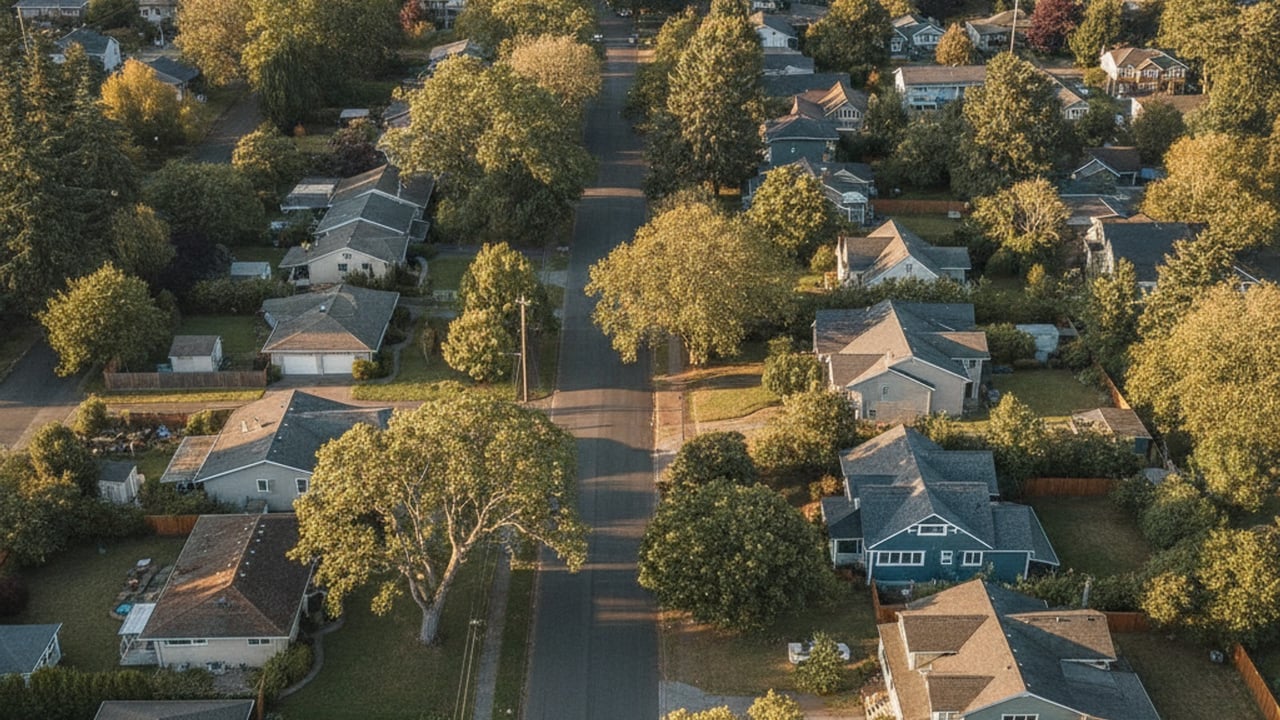
Oregon municipalities feature a mix of single-family homes, townhouses, and rural acreage. It pays to familiarize yourself with the specific property styles prevalent in your farm area. Knowing the difference between a mid-century ranch and a newer craftsman build helps you match buyers with appropriate inventory.
Land use laws directly influence property values and development potential across the state. Accurate client advising requires researching local zoning regulations, particularly urban growth boundaries and multi-family zoning rules in the Portland metro area. Knowing how these regulations impact future development helps you advise clients on long-term property use.
Rural properties introduce additional complexities like well water testing, septic system inspections, and timber rights. Building a network of specialized inspectors is a requirement if you plan to sell homes outside city limits. Guiding buyers through these specific rural property contingencies requires targeted local knowledge.
Investors frequently look for multi-unit properties to generate rental income. Understanding the basics of property management and local tenant laws helps you serve this specific type of buyer. You should know how to calculate capitalization rates and evaluate gross rent multipliers for duplexes and fourplexes.
Promoting Nearby Amenities in Your Listings
Listing descriptions perform better when they highlight concrete proximity to everyday conveniences. Providing the exact distance from a property to the nearest healthcare facilities and hospitals gives buyers valuable data. Mentioning specific nearby grocery stores and recreation centers gives potential buyers a clear picture of the neighborhood layout.
Public transit infrastructure is a major selling point in urban and suburban markets. Identifying nearby bus lines and light rail stations helps attract buyers who commute without a personal vehicle. Including these factual details in the MLS improves the listing's appeal and reduces questions from buyer agents.
Walkability scores and bike lane access are increasingly important to Oregon home buyers. Listings that note proximity to dedicated bicycle boulevards or paved multi-use paths appeal directly to buyers seeking alternative transportation. Highlighting these transportation options sets your listings apart in environmentally conscious markets.
Local municipal services also add value to a property's marketing profile. You can add further context by listing the distance to public libraries, community pools, and civic centers in your marketing materials. Buyers appreciate knowing exactly what civic amenities are available within a short drive of their new home.
Building a Sustainable Lead Generation Pipeline
Lead generation determines which brokers survive their first year in the business. A reliable real estate CRM serves as the central hub for tracking conversations, scheduling follow-ups, and organizing client data. Entering every contact from your sphere of influence into this system ensures no potential lead falls through the cracks.
Consistent communication with your sphere of influence yields the highest return on investment for new brokers. Sending a monthly email newsletter detailing market trends keeps your name top of mind with friends, family, and former colleagues. Personal phone calls to these contacts often generate early referrals that launch your career.
Hosting open houses for producing agents is another effective strategy for meeting unrepresented buyers. You can offer to manage weekend open houses for senior brokers who have multiple active listings. Capturing contact information from open house attendees provides a steady stream of new prospects to add to your CRM.
Evaluating brokerage fee structures helps you manage your marketing budget during this startup phase. Some offices charge a flat monthly desk fee, while others take a percentage of your commission or charge a flat transaction fee per closing. Understanding these costs allows you to allocate appropriate funds toward online advertising, direct mail, and property signs.
Continuing Education and License Renewal Rules for 2026
Oregon REALTORS and the Oregon Real Estate Agency update compliance requirements regularly. Under HB 3137, new agents must pass an assessment of license proficiency before their first active license renewal. This requirement ensures that new brokers understand contract law and agency relationships before continuing their practice.
Your first renewal also involves specific coursework requirements mandated by the state. Agents must complete a 2-hour Fair Housing course alongside the standard 2-hour Law and Rule Required Course (LARRC). Staying current on these educational mandates prevents unexpected delays when renewing your license.
A managing principal broker is responsible for supervising your transactions during your initial licensing period. They must review your contracts, addendums, and agency disclosures to ensure compliance with state regulations. Establishing a strong communication loop with your principal broker protects your license and your clients.
Record keeping is another major component of maintaining your active license status. You must retain copies of all client communications, signed agreements, and transaction documents for six years. Implementing a secure digital storage system early in your career simplifies this compliance requirement.
The Oregon REALTORS association provides numerous resources to help new agents meet these educational requirements. Attending local chapter meetings allows you to network with experienced professionals while earning continuing education credits. Building relationships within the local real estate community strengthens your industry knowledge and opens doors for future collaboration.
Frequently Asked Questions
How much commission does a real estate agent make on a $300,000 house in Oregon?
A standard total commission is often around 5% to 6%, meaning a $300,000 sale generates $15,000 to $18,000 in gross fees. That amount is split between the buyer's broker and the seller's broker. Your final take-home pay depends on the specific split agreement you hold with your principal broker.
What is the 80/20 rule for real estate agents?
The 80/20 rule refers to a common commission split where the producing agent keeps 80% of the gross commission and pays 20% to their principal broker. Offices providing higher splits often require agents to pay a monthly desk fee or a flat transaction fee to offset administrative costs. Newer agents sometimes start at a 60/40 or 70/30 split until they reach a specific sales volume.
What are the total costs to get a real estate license in Oregon?
The initial license application fee is $300, and the PSI exam costs $75 per attempt. You should also budget between $200 and $600 for the required 150 hours of pre-licensing coursework. Background checks and fingerprinting through the Oregon State Police add another $60 to your startup expenses.