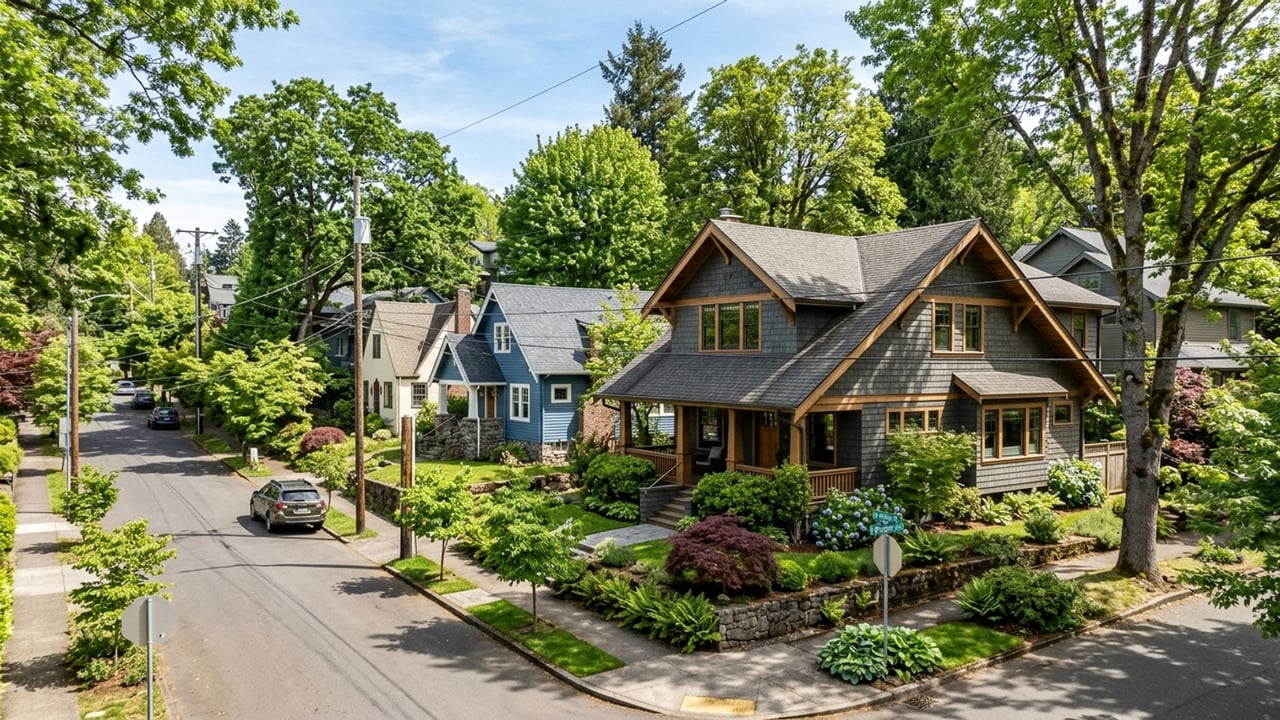
Portland's real estate market doesn't wait around. Available homes spend a median of just 10 days on the market before going under contract, which tells you something about the pace you'll be stepping into once you learn how to become a real estate agent in Portland. The median home sale price sits around $561,500, and nearly 45% of homes sell above list price. There's real work here for people who know what they're doing.
Becoming a licensed real estate broker in Oregon starts the same way for everyone: complete the state-mandated coursework, pass the licensing exam, and get affiliated with a Principal Broker. Here's what that actually looks like.
State Requirements for Real Estate Licensing in Oregon
The Oregon Real Estate Agency - OREA - regulates all real estate professionals in the state. To earn a broker license, you need to complete 150 hours of pre-license education from an OREA-approved provider. No shortcuts, no substitutions.
Oregon structures its licensing tiers a little differently than most states. The entry-level license is called a "broker" - not "salesperson" - while the managing tier is the "Principal Broker." If you want to own a brokerage or supervise other agents, that Principal Broker license requires three years of active licensed experience as a broker first.
The 150-Hour Course Mandate
Every new applicant must finish the full 150 hours before they can sit for the state exam. The state dictates the exact breakdown of topics, so every new licensee comes in with the same foundation.
Plan your schedule around this. Most applicants take several weeks to a few months to get through the reading, lectures, and quizzes and earn their completion certificate. It's not a formality - the material shows up on the exam.
Experience Rules for Principal Brokers
Three years of active experience as a broker - that's the OREA requirement before you can upgrade to Principal Broker. During that time, you operate under the supervision of a licensed Principal Broker, working through Portland transactions from initial offers to final walkthroughs. Think of it as a structured apprenticeship with a real license attached.
What You Learn During the Coursework
The 150-hour curriculum covers the legal and practical side of handling property transactions. It prepares you for the state exam, but it also sets up how you'll actually work with clients day to day.
You'll study property ownership types, financing methods, and Oregon-specific agency laws, with a clear focus on your fiduciary duties. The following sections break down the main subject areas.
Brokerage Management and Daily Operations
You'll learn how real estate brokerages function under Oregon law - the relationship between brokers and Principal Brokers, the rules around advertising listings in the Portland market, and what the state expects in terms of record-keeping. Document storage and retention after a sale closes isn't a gray area in Oregon. The state wants exact compliance.
Real Estate Law and Contracts
A significant portion of the education is about drafting and executing contracts. Standard purchase agreements, listing agreements, disclosure forms, contingencies, timelines, addendums - you'll go through all of it. Understanding contract law is what protects your clients and your license when a deal gets complicated.
Trust Accounts and Escrow Rules
Handling client money means following state regulations precisely. The coursework walks through the mechanics of trust accounts, how earnest money must be deposited and tracked, and how funds and documents move during the closing period. It's procedural, but it matters.
Selecting an Approved Real Estate School
Your 150 hours have to come from a provider explicitly approved by the Oregon Real Estate Agency. Hours from an unapproved vendor simply won't count toward your application - so confirm approval status before you pay tuition anywhere.
Portland applicants can choose between digital platforms and traditional classroom settings. Both use the same state-mandated syllabus. Your choice comes down to how you actually learn and what your schedule allows.
Online Course Formats
Online courses let you log in and work through modules at your own pace. If you're balancing pre-license education with a full-time job, this format is usually easier to fit in. Look for platforms that include practice tests and exam prep tools - retaining 150 hours of material takes more than reading it once.
In-Person Classroom Options
Some people need a set schedule to stay on track, and there's nothing wrong with that. In-person instruction gives you direct access to instructors and the ability to ask questions in real time. It also puts you in a room with other people who are about to enter the same field - building those relationships early can help when you're looking for a Principal Broker to affiliate with after you pass the exam.
Moving from Coursework to Active License
Once you've finished your education, the first administrative step is submitting your broker license application through the state's eLicense system, along with the $300 nonrefundable application fee. After the OREA processes it, you'll schedule your licensing exam through PSI Services, the third-party testing vendor Oregon uses for all real estate licensing exams.
Passing the Final Course Exam
Before you can take the state exam, your real estate school administers its own final test. Pass that, and you receive your official certificate of completion. You need that document on file before the state will let you schedule with PSI.
Scheduling with PSI Services
You'll create an account on the PSI website to book your testing date and time. Read the PSI candidate handbook before test day - it tells you exactly what identification to bring and what's allowed in the testing center. Don't skip this step and assume you know the rules.
Submitting the Application
After passing the PSI exam, you'll complete a background check and fingerprinting process, which the OREA requires of all applicants. Then you affiliate with a licensed Principal Broker, who adds you to their roster in the eLicense system. That's the moment your license becomes active and you can start representing clients in Portland.
Frequently Asked Questions
How long does it usually take to finish the 150-hour Oregon real estate broker course?
It depends on your schedule and the format you choose. Full-time students can finish the 150 hours in about four weeks. Studying part-time, it may take several months.
How much does real estate pre-license education cost in Portland?
The Oregon Real Estate Agency charges a $300 application fee. Tuition for the 150-hour course itself varies by provider, so check directly with individual OREA-approved schools for their current pricing.
Can I take real estate pre-license classes in-person in Portland, or are they only offered online?
Both formats are available. You can complete the 150 hours through self-paced online platforms or through scheduled, in-person classes - whichever fits your schedule and learning style.
Do my Oregon pre-license education credits expire if I don't take the broker exam right away?
The source materials don't specify an expiration timeline for the 150-hour course credits. Contact the Oregon Real Estate Agency directly or check the PSI Services candidate handbook to confirm how long your completion certificate stays valid.
What is the next step with the Oregon Real Estate Agency once I complete my pre-license courses?
Submit your broker application and the $300 nonrefundable fee through the state's eLicense system. Once that's processed, you can schedule your exam with PSI Services.
Do I have to be an Oregon resident to enroll in a Portland real estate school?
The available data doesn't list a state residency requirement for enrolling in pre-license education. What the OREA does require of all applicants: 150 hours of approved coursework and the $300 application fee, regardless of where you currently live.