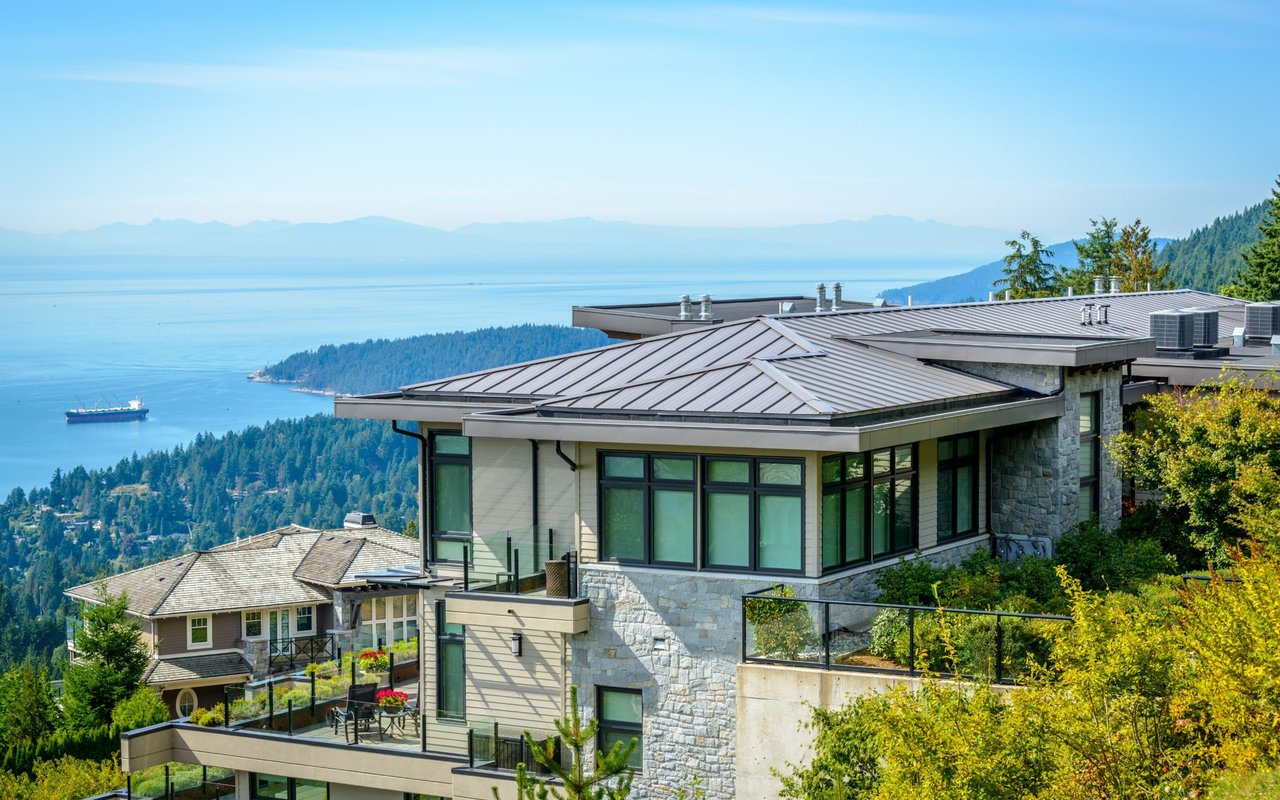
If you have been reading national lists about "top home renovations" to get ready to sell, I have some news for you: you might want to throw that advice out.
Portland is a weird market. I don't mean "Keep Portland Weird" - I mean our real estate market behaves differently than Phoenix or Dallas. We have specific zoning laws that encourage density, a buyer base that prioritizes energy efficiency over granite countertops, and a climate that punishes cheap materials.
When you look at the numbers for our area, three pillars drive value here: Energy Efficiency, Density Potential, and Weather Resilience. If you ignore these, you are leaving money on the table. But if you lean into them, the returns can be shocking. For example, right now in the Pacific region, something as simple as replacing a garage door is seeing a 194% ROI.
Let’s break down exactly where to put your money to maximize your sale price in Portland.
The Mandatory First Step: Your Home Energy Score
Before you even think about paint colors or staging, we need to talk about the Home Energy Score (HES). In Portland, this isn't optional. City code requires that almost all homes listed publicly for sale include a Home Energy Score.
Think of this like the miles-per-gallon rating on a car. The report gives your home a score from 1 to 10 based on its energy use.
Why the Score Matters for Value
This is more than just a compliance hoop. Local data suggests that a 1-point increase in your score can correlate to a roughly 0.5% higher sales price. That adds up quickly on a $600,000 home.
The average score in Portland hovers around 4.7. If your home scores a 7 or above, that is a massive marketing asset we can use to attract eco-conscious buyers who are worried about rising utility rates.
The Strategy
Don't wait until the last minute. Schedule your assessment before you start other renovations. If you score a 2, you are better off spending your budget on attic insulation and air sealing than on a new backsplash. If you really want to stand out, aiming for an "Earth Advantage" certification is the gold standard upgrade from a basic HES, signaling to buyers that this home is built for the future.
Highest ROI Projects: The 2026 Cost vs. Value Data
Every year, the "Cost vs. Value Report" tracks which projects actually pay buyers back. In the Pacific region, the results for 2026 are surprising. While everyone dreams of a chef’s kitchen, the data shows that "Exterior" projects are currently crushing "Interior" projects in pure return on investment.
Here is where the smart money is going right now:
-
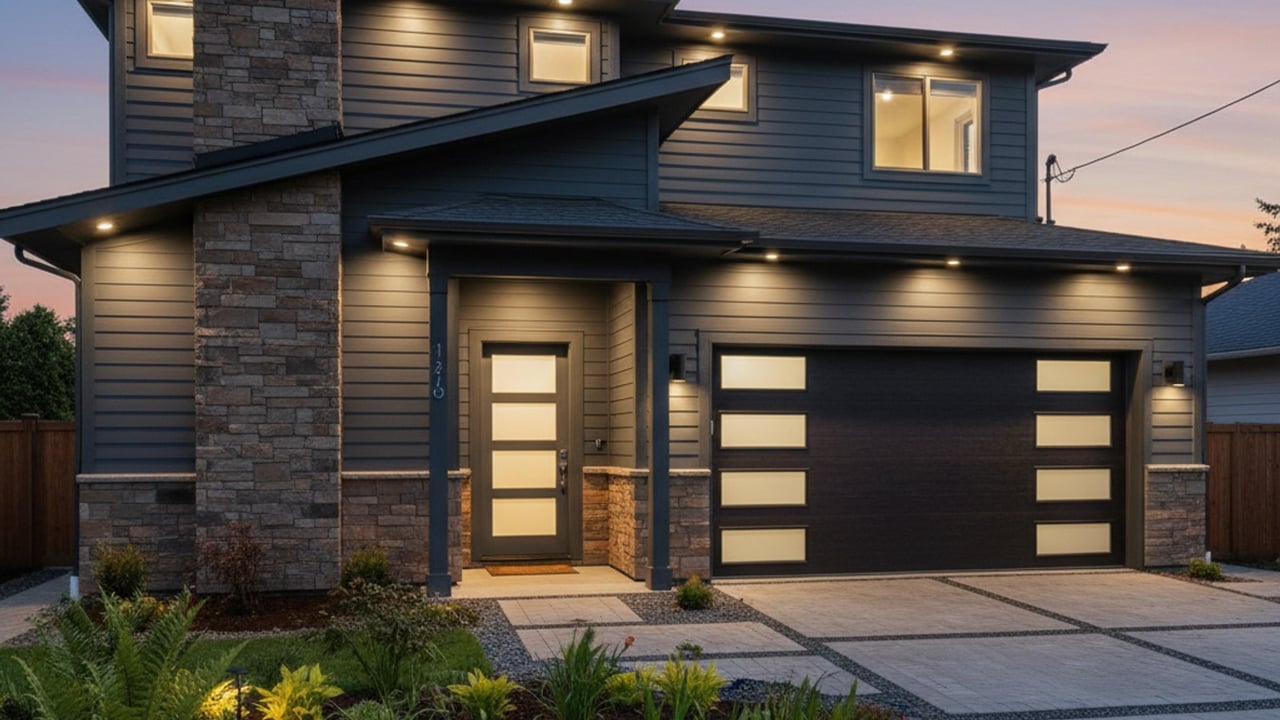
Garage Door Replacement: This is the unicorn of renovations. In our region, this project is seeing an approximate 194% ROI. It is relatively cheap, drastically improves curb appeal, and signals that the home has been maintained.
-
Steel Entry Door Replacement: A new steel front door isn't just secure; it pays back about 188% ROI. It’s one of the most cost-effective upgrades you can make.
-
Manufactured Stone Veneer: Adding a stone accent to the front of your house is generating roughly 150% ROI. It gives a standard exterior a custom, high-end look.
-
Minor Kitchen Remodel: Notice I said "minor." A full gut-job often returns less than you spend. However, a minor refresh - refacing cabinets, updating hardware, and replacing appliances - offers a much stronger return.
The lesson here is simple: Don't over improve for your neighborhood. If you are selling a classic bungalow on the Eastside, a sleek, ultra-modern kitchen might clash. If you are on the Westside, you might need those modern touches. But generally, fixing the face of the house pays better than fixing the inside.
The Density Goldmine: ADUs and the Residential Infill Project (RIP)
If you have been following Portland real estate trends, you know that land use is changing. The Residential Infill Project (often called RIP or RIP2) has completely altered the value potential of standard lots.
Under current zoning, many single-family lots can now host up to two Accessory Dwelling Units (ADUs). This turns a standard backyard into a potential income generator, which is highly attractive to investors and house-hackers.
The Basement Strategy
New rules for 2025 have made it easier to convert basements. You can now create basement ADUs up to 1,000 sq ft in many cases. If you have an unfinished basement with decent ceiling height, you are sitting on a goldmine.
The "Rental Trap" Warning
Here is a critical detail that trips people up. The city charges System Development Charges (SDCs) for new units, which can cost thousands. However, the city often offers waivers - saving you around $15,000 in fees - if you agree not to use the property as a short-term rental (like Airbnb) for 10 years.
If you accept that waiver and then try to Airbnb it, or sell to someone who wants to, it can cause major legal headaches. Always be clear about the covenant on the property title.
Marketing "Potential"
You don't actually have to build the ADU to capture some of this value. Simply having a feasibility study done, marking out utility hookups, or having an architect draw up a concept can add value. Marketing a home as "ADU-ready" helps buyers visualize the income potential without you spending $200,000 on construction. You can check your specific density allowance on the Portland zoning map.
The "Unsexy" Value Defenders: Weatherproofing for the PNW
We live in a rainforest. Buyers here are terrified of water. You can have the most beautiful staging in the world, but if the inspection report mentions "potential moisture intrusion," the deal can fall apart or the price will drop by $20,000 overnight.
Siding Matters
In many parts of the country, vinyl siding is fine. In Portland, fiber-cement siding (like Hardie Plank) is king. It stands up to our damp winters much better than wood or vinyl. If you are re-siding, fiber-cement is the material that adds value.
Roofing and Drainage
Buyers expect architectural shingles with a 30-year life. If your roof is nearing the end of its life, replace it. It’s rarely worth trying to offer a credit instead; buyers will overestimate the cost and hassle.
Similarly, drainage is a huge selling point. Visible French drains, extended downspouts, and dry crawlspaces are sexy to a Portland buyer. They signal that the house won't rot from the bottom up.
Portland Curb Appeal: Native Plants & Rain Gardens
Finally, let's talk about the yard. In many markets, a lush, green, manicured lawn is the goal. In Portland, that can actually be a negative if it requires heavy irrigation and chemicals.
We are seeing a "Pollinator Paradise" trend. Buyers are paying premiums for yards that are certified as Backyard Habitats.
-
Ditch the Thirsty Grass: Instead of high-maintenance turf, consider native groundcovers. Plants like Oregon Grape, Vine Maple, and Salal are low maintenance, drought-tolerant, and look right at home in our landscape.
-
Rain Gardens: A rain garden isn't just a landscaping feature; it's a drainage solution. Using permeable pavers and intentional planting areas to manage runoff solves a practical problem while looking eco-chic.
This approach appeals to the specific Portland aesthetic. It says "I care about the environment" and "I don't want to mow the lawn every weekend" at the same time.
Frequently Asked Questions
Does a finished basement add value in Portland?
Yes, absolutely. Because of our density laws, a finished basement is often the first step toward a separate living unit. However, to count as legal living space (and add maximum value), the ceiling height usually needs to be at least 7 feet, and bedrooms must have proper egress windows.
How much does a Home Energy Score assessment cost?
It is relatively affordable compared to the value it provides. You can typically expect to pay between $150 and $250 for the assessment. Remember, this is mandatory before you list your home on the market.
Do solar panels increase home value in Oregon?
Yes, studies generally show a value bump of roughly 4% for homes with solar. However, there is a big caveat: owned panels add value, while leased panels can actually complicate the sale. Buyers often don't want to take over a lease contract, so owning the system outright is the best move for ROI.