The median home sale price in Portland, OR recently landed around $525,000 - down roughly 3.6% from the same time last year. That's not a collapse, but it's enough of a shift that buyers and sellers are paying close attention to where things go from here.
To make sense of Multnomah County real estate, you have to look at two things together: the local economy and Oregon's land-use laws. Major employers like Intel and Nike keep driving demand across the metro. And the Urban Growth Boundary - a state law that protects farms and forests from sprawl - dictates where new homes can be built, which keeps inventory inside city limits tighter than most people expect when they first start shopping here.
Current State of Portland Real Estate
Right now there are about 2,215 homes available for sale across the city, which works out to roughly three months of housing supply. Technically, a balanced market runs four to six months, so Portland is still tilted - modestly, but meaningfully - toward sellers.
That lower supply means well-priced listings still attract real attention. Recent MLS data shows 2,233 homes sold over a recent period, which tells you transactions are happening at a steady clip even with the broader economic noise in the background. If you're a buyer, you should go in expecting to compete. If you're a seller, the limited pool of competing properties is working in your favor.
Where Home Prices Stand Today
The $525,000 median gives you a working benchmark for single-family homes and townhouses alike. Yes, prices are softer by 3.6% year-over-year, but that dip hasn't come close to erasing the equity gains built up through the early 2020s. Factor this baseline into your budget now, before you fall in love with something.
Active Listings and Inventory Details
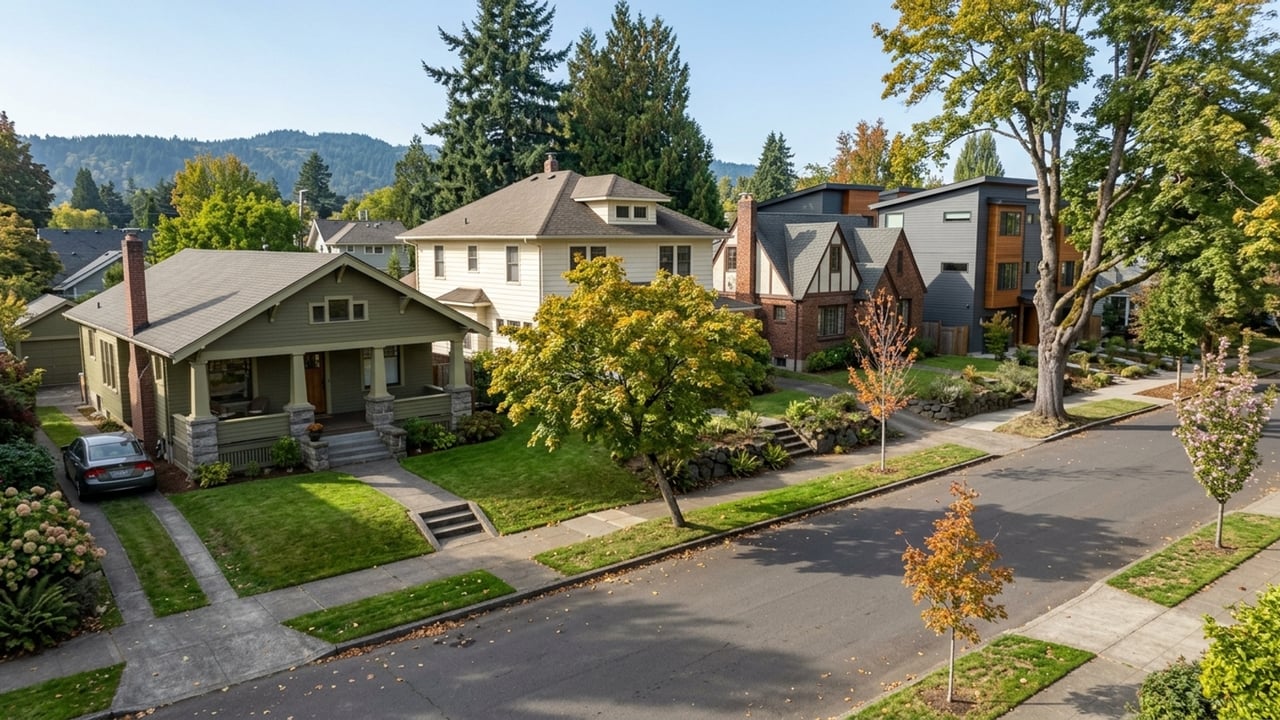
Those 2,215 active listings are a mix of older historic homes and newer infill projects. Large-scale subdivisions are mostly pushed out to suburbs like Hillsboro and Wilsonville - Portland proper runs on smaller-scale development, which puts a hard ceiling on how many new units can hit the market at any given time.
Price Predictions for Multnomah County
Homes here are selling for about 100.5% of asking price on average, and roughly 34% of recent sales closed above the original list price. Buyers are still willing to pay a premium when the right property shows up.
The local economy has a lot to do with that. The "Silicon Forest" tech sector, anchored by companies like Intel, delivers consistent employment and housing demand to the metro. When those tech and sportswear giants expand or pull back, you feel it in Multnomah County property values pretty quickly.
There's also an infrastructure story unfolding that's worth knowing about. The Critical Energy Infrastructure (CEI) Hub Policy Project is currently reviewing a six-mile stretch of industrial land in northwest Portland along the Willamette River. The city is updating zoning codes to reduce risks tied to bulk fuel facilities in that corridor, and those changes could influence future development patterns nearby.
Recent Shifts in Property Values
The 3.6% year-over-year decline reflects a market adjusting to tighter financial conditions, not one in freefall. Buyers have a little more room to negotiate than they did a couple of years ago. But the consistent sale-to-list ratio tells you that severe price drops aren't materializing - at least not yet.
What to Expect for Prices in 2027
As long as inventory stays near the three-month mark, prices are expected to hold relatively steady heading into 2027. If new construction can't outpace buyer demand, the median will likely stay firm around the mid-$500,000 range. If you're holding out for a steep discount, constrained supply could make that a long wait.
How Supply and Demand Shape the Future
The median days on market is currently 19 days. That's how long it takes for a Portland home to go from listed to pending - quick enough that hesitation has a real cost.
Oregon's Urban Growth Boundary is the structural reason supply stays compressed inside city limits. No massive new subdivisions appearing out of nowhere in Portland proper. Growth here happens through targeted zoning changes in established neighborhoods, which is a slower and more deliberate process.
Several 2026 initiatives are trying to move that needle. The Housing Bonus Alignment Project proposes zoning code changes to increase production of units with more bedrooms outside the Central City. The Inner Eastside Zoning Project is exploring ways to allow a greater variety of housing types, with conceptual scenarios expected to reach City Council in summer 2027.
New Construction and Zoning Changes
Portland's Residential Infill Project now permits up to four units on a single lot in specific single-dwelling zones - R2.5, R5, and R7 - which opens the door to more townhomes, cottage clusters, and four-plexes. The Central City Code Amendments Project is also pushing tactical zoning updates to support near-term housing production in the downtown core. These aren't sweeping changes overnight, but they're adding units in places that couldn't absorb them before.
Days on Market and Supply Trends
Nineteen days to contract is fast. Some sources track total market time closer to 57 days when they fold in all listing stages and the full closing process, but the initial window - the one where you need to be ready to move - is short. Sellers who price off recent comparable sales can expect a prompt response. Those who price off 2021 peak memories tend to sit longer than they planned.
Advice for Portland Buyers and Sellers
With 2,233 homes closing in a recent measurement period, this market isn't stagnant - there's real activity. But the combination of a $525,000 median and three months of supply creates a specific environment where neither side has the full upper hand.
Buyers shouldn't count on deep discounts. Sellers shouldn't count on limitless bidding wars on overpriced homes. What works right now is a clear read on neighborhood-level data, not assumptions about what the market was doing two years ago.
One thing both buyers and sellers are going to keep running into: more multi-unit properties in traditionally single-family areas. Portland's land-use policies are reshaping what's available and where, and that's not reversing anytime soon.
Actionable Steps for Homebuyers
Get your financing locked down before you start touring seriously. With a median market time of 19 days, there's no buffer for lender delays. The current 100.5% average sale-to-list ratio means you should plan to come in at or near asking on homes you want. And if your budget is feeling tight, broadening your search to include new townhomes or cottage clusters - the kind of infill product the Residential Infill Project is encouraging - can open up more realistic options within city limits.
Tactics for Sellers
Price off 2026 sales data, not what your neighbor got in 2022. The 34% of homes that close above list price mostly do so because they were priced accurately from day one - the market bid them up from a realistic starting point, not an aspirational one. Presentation matters. Buyers are actively touring right now, and the ones writing offers have done their homework.
Frequently Asked Questions
Are home prices dropping in Portland?
Yes, slightly. Recent data shows the median sale price in Portland is around $525,000, which is a 3.6% decrease compared to the previous year. Prices remain relatively stable overall, though, and homes are still selling for just over their asking price on average.
Is Portland currently a buyer's or seller's market?
It leans toward a seller's market. Portland currently has about three months of housing supply, which falls short of the four to six months typically seen in a balanced market. That limited inventory keeps sellers in a slightly stronger negotiating position.
How long are houses sitting on the market in Portland?
The median days on market is roughly 19 days before properties go under contract. Some market reports track total market time closer to 57 days when accounting for the entire closing process.
Should I wait until next year to sell my house in Portland, OR?
It depends on your personal timeline and equity goals. The market currently offers a fast 19-day median market time and an average sale-to-list ratio of 100.5%. Waiting until 2027 could mean facing more competition if new zoning projects bring more infill housing to the market.
Which Portland neighborhoods are expected to see the most inventory growth?
Growth is most likely in areas targeted by recent zoning updates. The Inner Eastside Zoning Project is exploring ways to allow a greater variety of housing types, and the Residential Infill Project permits up to four units on single lots in R2.5, R5, and R7 zones - changes that encourage more townhomes and four-plexes outside the Central City.
Are bidding wars still common for buyers in the Portland housing market?
Yes, for well-priced homes. About 34% of recent sales closed above the original list price. With only three months of supply available, buyers frequently find themselves competing for the same properties.
Is it difficult to build a new house inside Portland city limits?
The Urban Growth Boundary restricts urban sprawl, which makes finding vacant land for new construction quite challenging within the city. However, recent zoning updates now allow up to four units on specific single-dwelling lots, creating unique opportunities for a custom home build in Portland through smaller-scale infill development.
What should buyers expect to pay for a house in Multnomah County right now?
The median sale price currently sits around $525,000, which serves as a reliable benchmark for single-family properties and townhouses. While prices have softened slightly over the past year, the typical home price in Portland is expected to remain firm in the mid-$500,000 range heading into 2027.