The median rent in Portland, OR sits roughly 8% below the national average as of mid-2026. Renters moving from other West Coast hubs often find the pricing a relief compared to Seattle or California markets. Prices have stabilized over the past year, giving tenants more predictable options when signing a lease.
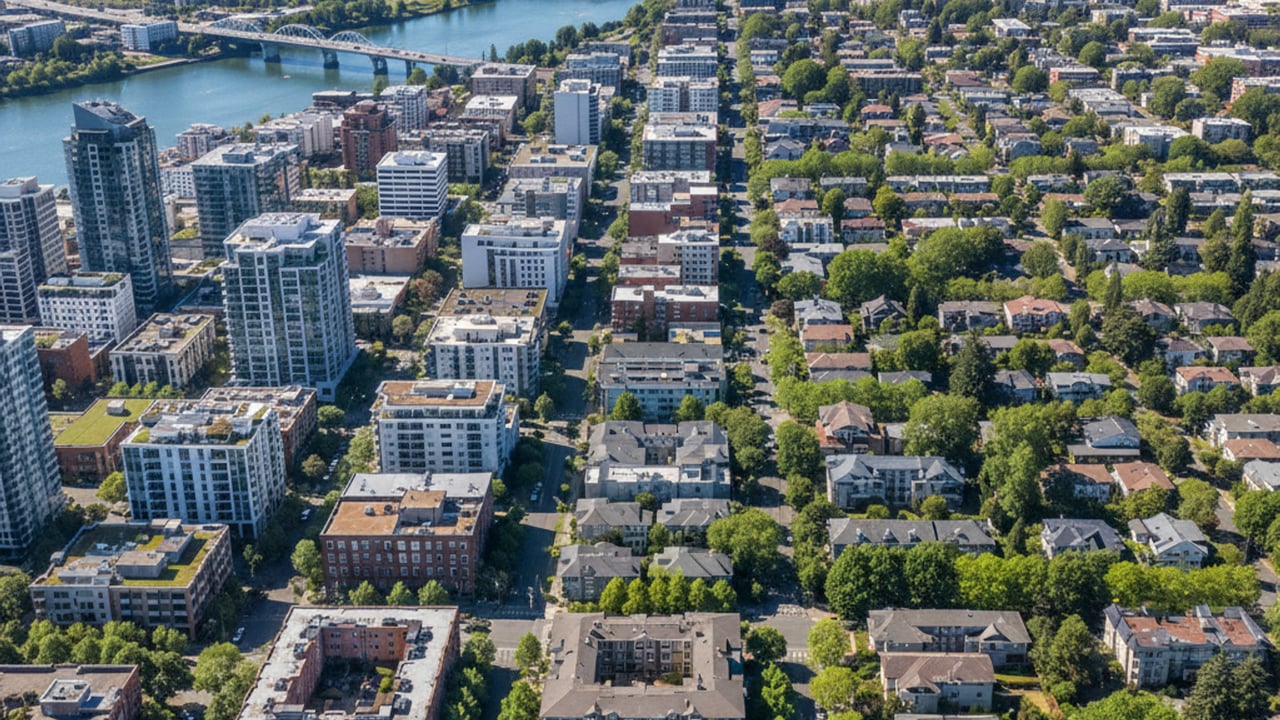
Finding an apartment here means choosing between modern high-rises near the Willamette River and older multiplexes on the east side. Your monthly housing budget will change based on the specific neighborhood and the size of the unit. Understanding the current rental market trends helps you plan a realistic budget before you start touring properties.
The local economy continues to draw new residents, keeping the demand for quality apartments steady. Renters relocating for work often base their apartment search around transit lines and commute times. You will want to weigh location preferences against your desired square footage to find the right home.
What to Expect for Rent by Apartment Size
A typical one-bedroom apartment in Portland runs about $1,517 per month. Adding a second bedroom pushes that median cost up to $1,801. These figures represent the middle of the market, meaning luxury units will price higher while older buildings may offer lower rates.
Renters looking to save money often look at studio apartments, which currently average $1,249 per month. These smaller units are common in dense areas like the Pearl District and Downtown. A studio is a practical choice for single renters prioritizing location over square footage.
If you need more space, three-bedroom units average $2,091 per month. These larger apartments are harder to find in the city center and are more prevalent in outer neighborhoods. Renting a three-bedroom unit often requires a longer search process due to lower overall inventory.
The total monthly rent correlates directly with square footage and the bedroom count. Landlords also adjust pricing based on in-unit amenities like washer and dryer sets or updated kitchens. The inventory of available homes shifts throughout the year, with summer months typically seeing high demand and faster lease turnovers.
How Prices Change Across Portland Neighborhoods
Renters pay a premium to live in the Pearl District and Downtown, where one-bedroom units frequently exceed the citywide median. These areas offer immediate proximity to major employers and dense retail corridors. The convenience of walking to grocery stores and restaurants keeps demand strong in these central zones.
Crossing the Willamette River to the east side brings different pricing and housing styles. Neighborhoods like Hawthorne, Buckman, and other parts of Southeast Portland typically offer slightly lower base rents. These areas feature older housing stock, including converted homes and smaller apartment complexes.
Moving further out toward the city limits generally yields more square footage for your dollar. Renters who do not mind a longer commute can find competitive lease terms in North Portland or the outer eastern neighborhoods. These locations often provide easier street parking and larger floor plans.
Access to public transit also impacts lease rates across the city. Properties within a short walk of MAX Light Rail stations command higher prices because they offer easier commutes to the Silicon Forest technology hubs in Washington County. Renters should factor their daily commute costs into their overall housing budget when comparing different areas.
Extra Monthly and Upfront Expenses
The average utility bill for a Portland apartment ranges from $250 to $350 per month, depending on the unit size and your personal usage. Base rent is rarely the only number you need to factor into your monthly budget. Older buildings with less efficient insulation often result in higher heating costs during the winter.
Landlords typically require a security deposit equal to one month of rent, plus an application fee of $40 to $60 per adult. Pet owners will also encounter monthly pet rent, which usually adds $25 to $50 per animal to the lease. Some buildings also require a separate, refundable pet deposit before move-in.
Renter's insurance is another mandatory cost at most apartment complexes. Policies generally run between $15 and $30 per month and protect your personal belongings in case of theft or damage. Property managers will ask for proof of this insurance before handing over the keys.
You will want to account for a few common recurring charges when reviewing a new lease agreement:
-
Utilities: Most tenants pay separately for electricity, gas, water, and trash collection.
-
Parking fees: Securing a dedicated parking spot in dense areas like Downtown or the Pearl District can add $150 to $300 per month.
-
Move-in fees: Some property management companies charge a non-refundable administrative fee when you sign the lease.
Housing Types You Will Find for Rent
The South Waterfront features modern high-rise apartments with floor-to-ceiling windows and extensive building amenities. Just a few miles away, Southeast Portland is defined by historic multiplexes and standalone rental houses. This architectural variety means renters can choose between contemporary conveniences and classic Pacific Northwest character.
Renters looking for single-family homes will find the most inventory in the outer neighborhoods of the city. These properties often include private yards and driveways, but they require tenants to handle basic landscaping and higher utility costs. Larger apartment buildings dominate the city center and transit corridors.
Townhomes offer a middle ground between a detached house and a high-rise apartment. These multi-level units frequently include attached garages and small private patios. They are a popular choice for renters who want more privacy without the full maintenance responsibilities of a single-family home.
Access to outdoor space is a major draw for the local rental market. Apartments located near large green spaces like Forest Park and Washington Park see high demand year-round. Units with private balconies or shared courtyards also lease quickly, especially during the warmer months.
Comparing Portland to Regional and National Markets
Portland rent is roughly 8% lower than the United States national average in 2026. This makes the city an attractive option for renters relocating from more expensive West Coast metros. Tenants moving from California often find they can rent a larger unit here for the same price they paid in their previous city.
A direct comparison to Seattle highlights the cost difference between the two major Pacific Northwest hubs. Seattle renters consistently pay higher monthly rates for comparable apartment sizes. The Portland market offers a lower baseline cost of living while still providing access to regional economic centers.
Renters tracking rental market trends will notice that prices have largely stabilized compared to the sharp increases seen in 2024 and 2025. This leveling off gives prospective tenants more negotiating power when signing a new lease. Availability has improved, meaning you have more options to choose from without facing immediate bidding wars.
Local landlord-tenant laws also provide specific protections that differ from other states. Oregon has statewide rent regulation rules that cap how much a landlord can raise the rent each year. Renters should review these annual limits to understand how their housing costs might change if they decide to renew their lease.
Frequently Asked Questions
How much rent can I afford on a $70,000 salary in Portland?
Following the standard 30% rule, a $70,000 gross income leaves about $1,750 per month for housing. This budget comfortably covers a standard one-bedroom apartment in most parts of the city. Renters looking for larger spaces on this income might need to share a two-bedroom unit with a roommate.
Are utilities included in Portland apartments?
Most property managers do not include utilities in the base rent. Tenants typically set up their own accounts for electricity and gas, while the building bills back for water, sewer, and trash based on a shared formula. You should budget an extra $250 to $350 monthly for these services.
Is rent going down in Portland, Oregon?
Prices have generally leveled out in 2026 rather than showing a sharp decrease. While the rapid rent increases of past years have stopped, the median rent remains stable. Renters might find seasonal move-in specials during the slower winter months.