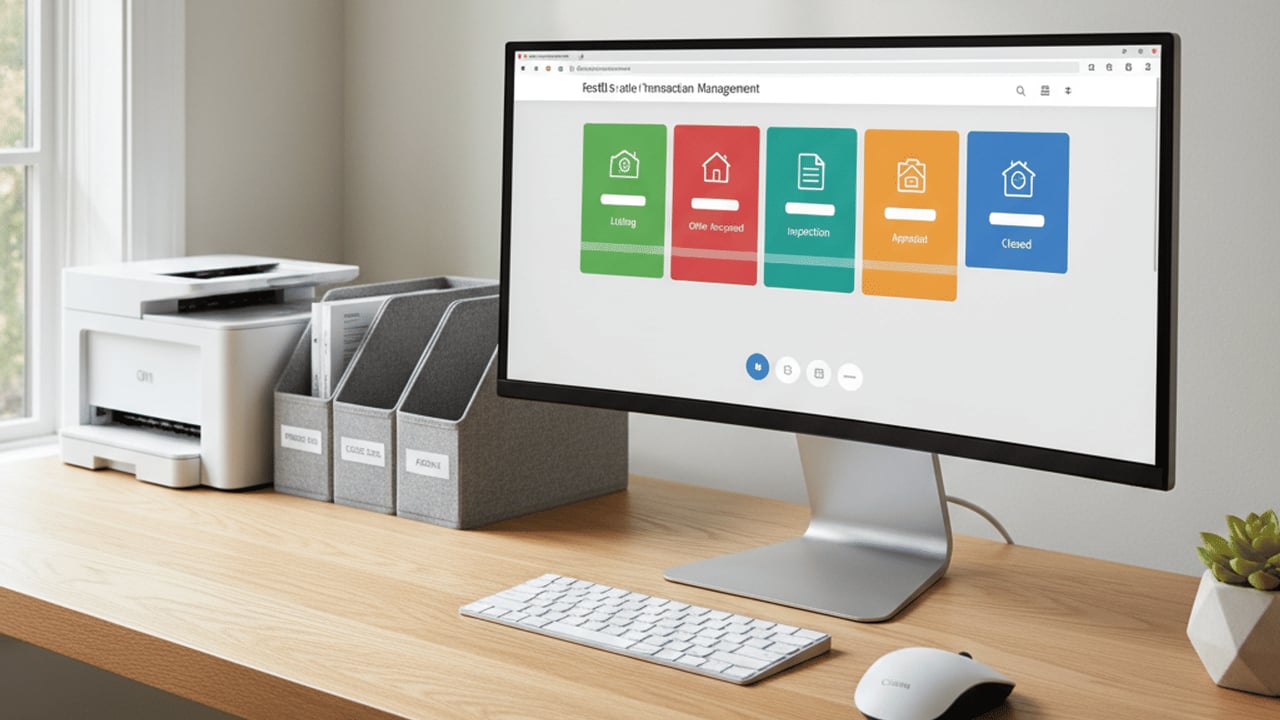
Homes in Portland, OR are spending about 19 days on the market before going under contract right now. Once a seller accepts an offer, the real work begins - moving from a signed agreement to an actual transfer of ownership with the help of dedicated transaction support. That stretch is what we call the contract-to-close phase, and it's where deals either hold together or fall apart.
The median sale price around here sits at about $525,000. At that price point, most buyers feel a particular kind of anxious once the initial paperwork is signed - like they're waiting for something to go wrong. A structured contract-to-close system is what keeps that from happening, tracking every deadline from mutual acceptance straight through to the day you get the keys.
What Happens After Signing the Purchase Agreement
Financed transactions in Portland typically take 30 to 45 days to close. Cash deals move faster - usually 15 to 25 days, since you're cutting out the financing phase entirely.
That window is busier than most buyers expect. A real estate agent and transaction coordinator are working in parallel the whole time, managing communications between lenders, title officers, and inspectors so nothing falls through the cracks and you're not the one chasing everyone down.
The Role of the Agent and Transaction Coordinator
The agent handles strategy - negotiating repairs, making sure the terms of the purchase agreement are being honored. The transaction coordinator handles the administrative side: updating the file, tracking compliance documents, keeping the timeline honest.
It's a clean division of labor. You get timely updates without having to wonder whether anyone's paying attention.
Why a Streamlined Timeline Matters
Missing a single deadline can jeopardize your earnest money deposit or hand the other party a reason to walk. That's not a hypothetical - it happens.
A good agent stays ahead of the next step rather than reacting to it. That's what keeps the deal on schedule and keeps everyone's financial interests protected.
The Closing Timeline in Portland, Step by Step
Under standard Oregon Real Estate Forms (OREF) agreements, the clock starts the moment both parties sign. Each phase carries specific deadlines - miss them, and you're either voiding contingencies or breaching the contract.
Here's how the typical sequence plays out.
Earnest Money and Escrow Requirements
Oregon administrative rules require the buyer to deposit earnest money within three business days of contract acceptance. The broker holding that check must deposit it into a trust account or neutral escrow depository within three banking days.
In Oregon, buyers and sellers traditionally split the escrow fee 50/50. The seller's half usually runs roughly $800 to $1,000, depending on the title company's rate schedule.
Inspections and Seller Disclosures
The standard inspection period in Oregon is 10 business days. That's your window to conduct due diligence and negotiate any necessary repairs.
Sellers provide a property disclosure statement governed by ORS 93.440. Once you receive it, you have five days to review it and decide if you want to rescind your offer under ORS 105.475. For houses built before 1978, federal law requires a lead paint disclosure form and an informational pamphlet, and sellers must give buyers a 10-day window to conduct a lead paint inspection.
Appraisals and Financing Approval
Financing and appraisal contingency deadlines aren't set by default in Oregon - they're negotiated between the parties in the OREF agreement. Your lender will order an appraisal to confirm the home's value matches the purchase price, while the underwriter works through your income, assets, and credit.
Respond quickly to any lender requests for additional documentation. That's one of the most common places closing timelines slip.
Title Search and Insurance Custom
The seller must order the preliminary title report within one business day of the agreement. You then have a fixed period - typically five business days if left blank on the form - to object to any title matters.
In Portland, it's standard practice for the seller to pay for the owner's title insurance policy. You'll generally pay for the lender's policy, which protects the lender's lien interest up to the loan amount.
Handling Common Roadblocks in the Local Market
Portland currently has around 2,215 homes on the market, and a lot of that inventory is older - properties with their own maintenance histories and quirks that tend to surface mid-transaction. This is the part of the process where an organized system earns its keep.
Managing Inspection Repairs
Portland gets over 140 rainy days per year. That does real things to housing stock - inspectors here routinely find rotted siding, flooded basements, and excess moisture in attics or crawl spaces. Older homes add their own complications: original knob-and-tube wiring, underground oil tanks, sewer line damage. Roof moss is another one that catches buyers off guard - it retains moisture against shingles and accelerates deterioration faster than most people realize.
When these items show up on an inspection report, the goal is to negotiate repairs or seller credits. Focus on structural and safety issues rather than cosmetic defects - that's where your leverage matters most.
Resolving Appraisal and Financing Delays
A low appraisal stalls the transaction while the parties figure out their next move. The buyer can cover the difference in cash, the seller can lower the price, or you can negotiate something in between. None of those conversations are fun, but they're manageable when you're not also scrambling to meet a deadline.
Financing delays usually come from underwriters finding unexpected debts or missing tax documents. Staying in regular contact with local lenders - tracking the loan's progress and clearing conditions early - is the best way to prevent those from turning into real problems.
Clearing Title Issues
The preliminary title report sometimes turns up liens, easements, or boundary disputes. Sellers have to clear any financial encumbrances before the property can transfer. Working directly with the title officer the moment something surfaces is the only way to keep a title issue from becoming a closing-table emergency.
Preparing for Closing Day in Multnomah County
Real estate commissions in this area run traditionally around 5% to 6% of the sale price, split between the listing and buyer's brokerages. Those fees, along with the rest of your closing costs, get finalized in the days leading up to closing. The final stretch involves the buyer, seller, lender, and escrow officer all moving in sync - here's what that looks like.
The Final Walkthrough
A few days before closing, you'll do a final walkthrough of the property. You're confirming that agreed-upon repairs were completed, all included appliances are still there, and the seller has removed their personal property. If something's off, the agents handle it before anyone signs anything.
Reviewing the Closing Disclosure
Your lender is required to provide the Closing Disclosure at least three business days before closing. It lays out the final loan terms, monthly payments, and the total cash you'll need to bring to the table.
Read it carefully and compare it against your initial loan estimate. Any discrepancies need to go back to the lender immediately - not on closing day.
Signing and Funding
On closing day, both parties sign their documents with the escrow officer. You wire your down payment and closing funds, and the lender releases the loan money to the title company.
Recording in Multnomah County happens at or shortly after closing when the title company submits the documents. E-recording has cut turnaround times - often from days to hours - though eRecording closes at 4:15 p.m. daily, so late submissions roll to the next business day. The county clerk charges administrative recording fees that typically run roughly $80 to $100 per document. Once the deed is recorded, the transaction is done and the keys are yours.
Frequently Asked Questions
How long does the contract-to-close process take in Portland?
It depends on how you're financing. Financed transactions typically take 30 to 45 days, though well-positioned offers can close in 25 to 35 days. Cash transactions usually close in 15 to 25 days.
What is a contract-to-close system in real estate?
It's the structured process real estate agents use to manage a transaction from the moment a purchase agreement is signed until the deed is recorded. The system tracks deadlines, coordinates inspections, and communicates with lenders and title companies.
What happens if the Portland home appraisal comes in low?
The transaction pauses while the parties negotiate. The buyer can pay the difference out of pocket, the seller can reduce the price, or the parties can agree to a middle ground.
Who chooses the title company in Oregon?
The choice of title company is typically negotiated in the purchase agreement. It's customary for the buyer and seller to split the escrow fee equally, and the specific company is agreed upon by both parties.
When are closing costs and earnest money due during a Portland real estate transaction?
Earnest money is due within three business days of contract acceptance. The remaining closing costs and down payment funds are wired to the escrow company just before you sign the final closing documents.
What specific documents do buyers and sellers need to bring for closing day in Multnomah County?
Both parties need a valid, unexpired government-issued photo ID for the notary. Buyers also need any documentation their lender specifically requested and proof of their wire transfer for closing funds.
How does a dedicated contract-to-close system prevent escrow delays in the Portland market?
By tracking Oregon's specific deadlines proactively - the 10-day inspection period, the 5-day title review window - rather than reacting to them. Catching missing documents or unresolved repairs early is what keeps the lender and escrow officer on schedule.
What happens if a buyer misses a deadline in the purchase agreement?
A missed timeline requirement can jeopardize your earnest money deposit or give the seller a reason to walk away. A strong agent prevents this by handling the compliance and risk management required to keep your financial interests protected.
How does the listing brokerage handle the seller's side of the transaction?
While your agent coordinates your inspections and financing, the seller's agent must provide property disclosures and clear any title encumbrances. The seller's team relies on dedicated listing operations support to track these administrative deadlines and keep the deal moving forward.