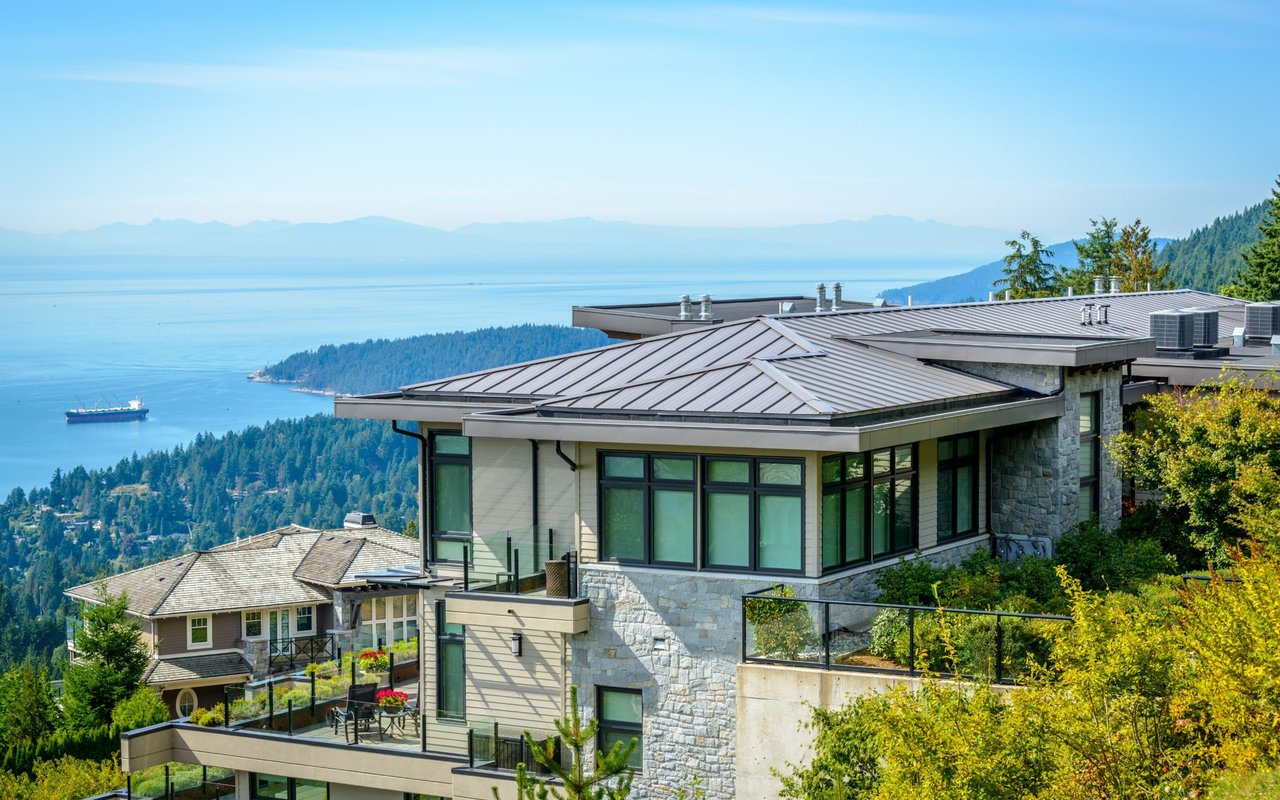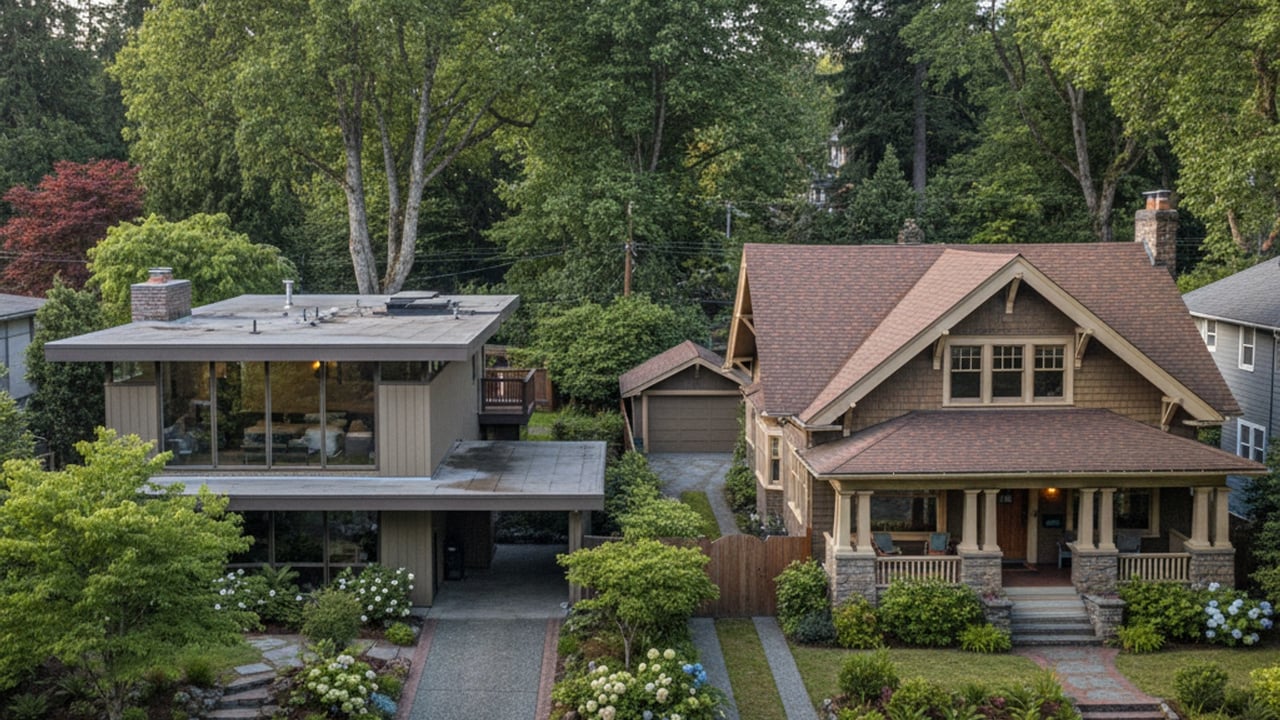
Portland's median home price sits around $525,000 as of May 2026. For agents calculating their potential income, that number serves as the baseline for figuring out gross commission before the brokerage takes its cut.
The gross commission generated from a closing rarely lands straight in an agent's bank account. Brokers take a portion to cover office overhead, legal compliance, and branding, leaving the agent with a net payout based on an agreed-upon structure.
Typical Brokerage Splits in Portland
Most traditional offices operate on a percentage-based system where the gross commission income divides between the agent and the house. A standard starting point for new licensees is often a 70/30 split, meaning the agent keeps 70 percent of the commission while the broker retains 30 percent. Established agents with higher sales volumes frequently negotiate an 80/20 or even a 90/10 split.
Many of these traditional models include a commission cap. Once the broker's portion of the splits reaches a predetermined dollar amount for the year, the agent keeps the entirety of their commissions for the remainder of their anniversary year.
Consider a Portland home selling for $525,000 with a 2.5 percent gross commission side, yielding $13,125. On an 80/20 split, the agent takes home $10,500 before taxes, while the brokerage collects $2,625. If the agent's annual cap is set at $20,000, they will hit that ceiling after closing about eight similar transactions.
Flat-Fee and Full-Commission Brokerages
Some agents prefer to bypass the percentage model entirely by joining a brokerage that allows them to keep their full commission. Instead of taking a cut of each sale, these offices charge agents flat monthly desk fees or a set fee per transaction. Desk fees in the Portland area currently range from $300 to $750 per month, depending on the level of office support provided.
This structure works well for high-volume producers who want predictable expenses. Paying $500 a month equals $6,000 a year, which is substantially lower than a typical $20,000 traditional brokerage cap.
National brands like Realty ONE Group and local independent firms like Dwell Realty PDX offer variations of this model. Agents should weigh these fixed monthly costs against their expected closing consistency, as the desk fee remains due even during months with no closings.
Out-of-Pocket Expenses to Anticipate
The split or desk fee only accounts for the broker's direct compensation. Agents are independent contractors and must cover their own operational costs to conduct business legally and effectively.
These recurring expenses eat into the net income from every closing. When evaluating a compensation plan, agents should factor in the following common costs:
-
Multiple listing service access: Regional Multiple Listing Service (RMLS) dues run approximately $141 per quarter for subscribers.
-
Property access tools: Agents pay separate fees for SentriLock key subscriptions to open lockboxes.
-
National brand fees: Large franchise brokerages often charge a separate franchise fee on top of the standard split, typically around 6 percent of the gross commission.
-
Marketing and operations: Yard signs, professional photography, staging, and client gifts come directly out of the agent's pocket.
The Impact of Portland's Current Market on Earnings
Transaction volume across the Portland metro area remains steady this spring, but median sale prices have stayed relatively flat year-over-year. Flat prices mean gross commission amounts per transaction have not grown, placing more emphasis on an agent's ability to close multiple deals.
The recent National Association of Realtors settlement has also reshaped how buyer agent commissions are negotiated and secured. Compensation offers no longer appear in the RMLS, requiring agents to negotiate their fees directly with their buyers or the listing side before showing homes.
To secure these fees, agents must use the mandatory OREF 050 Buyer Representation Agreement. This legally binding document outlines the exact compensation the buyer's agent will receive, ensuring clarity before any property tours begin.
What to Ask Before Signing with an Office
Choosing the right brokerage involves more than just looking at the top-line split percentage. The details hidden in the independent contractor agreement determine your final take-home pay at the end of the year.
Interviewing managing brokers is a two-way street, and agents should come prepared to dig into the financial specifics. Asking direct questions helps uncover hidden fees and clarifies what support is included in the broker's cut.
-
What is the specific commission split, and what is the exact dollar amount required to reach the annual cap?
-
Are transaction coordinator services included in the split, or are they billed as a separate fee per closing?
-
Does the office cover basic marketing materials like listing signs, business cards, and printing?
-
Are there minimum sales quotas required to maintain the current split percentage?
Frequently Asked Questions
What is the average real estate commission split for a new agent in Portland, OR?
Most brokerages start newly licensed agents on a 70/30 or 60/40 split. This lower initial tier compensates the office for the extra training, mentorship, and liability oversight required during an agent's first few transactions.
How do 100 percent commission brokerages make money?
These companies generate revenue by charging flat recurring fees instead of taking a percentage of the sale. They might collect a $500 monthly desk fee from every agent, plus a $400 transaction fee every time a file closes.
Do Portland real estate agents pay for their own MLS access?
Yes, agents pay their own RMLS subscription dues directly to the listing service. While the brokerage must hold an active RMLS membership, individual agents are billed roughly $141 each quarter to maintain their personal access.